Protein-priority shoppers
If the protein content is the reason for your top-up shop, compare the amount per serving before choosing a fruit snack. Plain dried fruit can remain part of the purchase without being its main protein item.


Choose plain dried fruit for a fruit addition, rather than relying on it as the protein item in a top-up shop: product labels from ASDA and Sainsbury’s list 3.3g and 2.7g protein per 100g respectively for their figs. If protein is the priority, consider dried fruit alongside a separate protein food, or check the protein per serving and allergens on a fruit-and-nut or fruit-and-seed product.
If the protein content is the reason for your top-up shop, compare the amount per serving before choosing a fruit snack. Plain dried fruit can remain part of the purchase without being its main protein item.
A small pack of dried fruit can provide the fruit component while another food provides protein. The NHS advises eating dried fruit at mealtimes rather than between meals to reduce the risk of tooth decay.
If figs or another dried fruit appeal for their fruit and fibre content, keep that separate from the protein decision. ASDA lists 6.9g fibre and 3.3g protein per 100g for its figs; figures for another pack need checking on its own label.
Start with the role dried fruit will play in your meal, then compare protein per serving, portion size and ingredients on the exact product.
| Priority | What to check | Your needs |
|---|---|---|
| Protein | Compare protein per 100g and per serving. Check whether the item is plain fruit, a mix, or a separate protein food. | I want the top-up to provide protein, not just fruit. ASDA lists 1.1g protein per one-sixth-pack serving of its figs; Sainsbury’s lists 0.8g per 30g serving of its organic figs. |
| Portion | Check the pack’s serving weight. The NHS says 30g of dried fruit counts as one 5 A Day portion. | A measured amount of fruit would work with my meal, and I want to know how much I am adding. |
| Eating occasion | Look at sugars per serving as well as portion size. The NHS advises having dried fruit at mealtimes, rather than between meals, to reduce tooth-decay risk. | If this is for an afternoon top-up, I can save the dried fruit for a meal instead of grazing from the pack. |
| Ingredients | Read the protein value even when a snack contains a protein ingredient. Check the exact pack’s milk, nut, peanut, sesame and sulphite declarations where relevant. | I need a format I can eat safely, whether I choose plain fruit, a mixed snack or a product with added ingredients. |
| Format | Decide whether you need a ready-to-eat item or can add fruit, nuts or seeds to a meal. Check preparation and storage instructions for the chosen pack. | For a quick shop, I may prefer one item to carry; at home, separate foods give me another way to put the meal together. |
Among the labelled examples, ASDA figs contain 3.3g protein per 100g and Sainsbury’s organic figs contain 2.7g per 100g. Choosing either for its fruit content does not settle a protein-led purchase.
Keep the fruit if you want it, but compare a separate protein food or the serving-level protein in a suitable mix.
Whitworths lists milk-protein crisp in SHOTS Berries & Chocolate Clusters, but its stated 25g serving provides 2.0g protein and 14.1g sugars.
Read the nutrition panel for the portion you expect to eat, rather than treating an ingredient as a measure of the whole snack.
The NHS advises having dried fruit at mealtimes instead of between meals to reduce the risk of tooth decay.
Plan a measured portion with a meal, such as porridge or yoghurt, rather than eating repeatedly from a large pack.
Whitworths says its SHOTS Berries & Chocolate Clusters contain milk and may contain peanuts, nuts and sesame. ASDA lists sulphites for its dried mango, which may also contain nuts and peanuts.
Read the allergen declaration on the exact pack, particularly when changing product or flavour.
Dried-fruit snacks include SHOTS Berries & Chocolate Clusters.
A reference point for shoppers looking specifically for prunes and prune recipes.
Its grocery range lists dried fruits including dates, prunes, cranberries, mango, raisins and sultanas.
Its organic figs provide an example of a labelled dried-fruit option.
Its dried figs are another option to compare by portion as well as per 100g.
Its ranges include dried-fruit snacks and, separately, nuts and seeds.
These options cover fruit-and-nut snacks, a seed-and-berry mix, a fruit crispbread and a fig-containing drink mix. They are different formats for a protein-focused top-up shop, not interchangeable servings of plain dried fruit.
 No image available
A bar format to consider when you want one item to carry. The supplied product description refers to a different bar name, so confirm the ingredients and allergens on the Peanut Delight pack before choosing it.
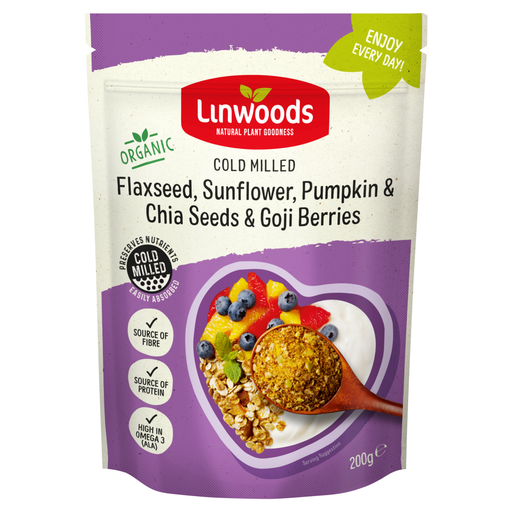 No image available
A loose seed-and-berry mix for adding to a meal rather than carrying as a single bar. Check the pack’s serving-level nutrition and allergen declaration if protein or ingredient suitability determines your choice.
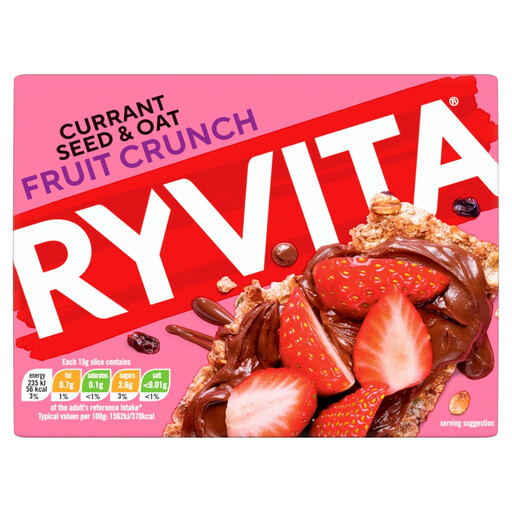 No image available
A crispbread format if you want a base for another food rather than a pack of dried fruit. Compare the protein in your intended serving and check the pack’s cereal and sesame allergen information.
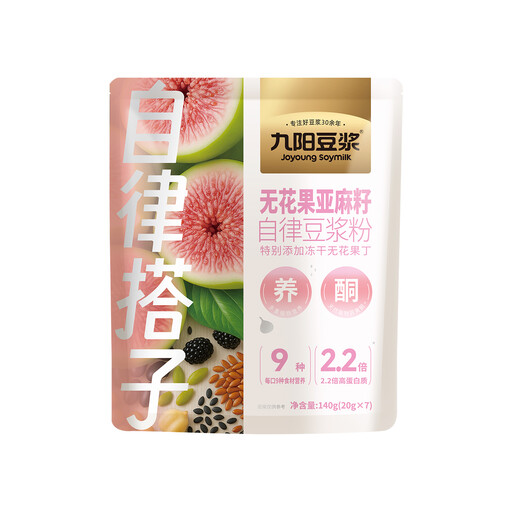 No image available
A drink-mix format for a top-up shop where preparation is practical; it needs hot water rather than being ready to eat. Check the exact pack for soy and sesame declarations and for nutrition per prepared serving.
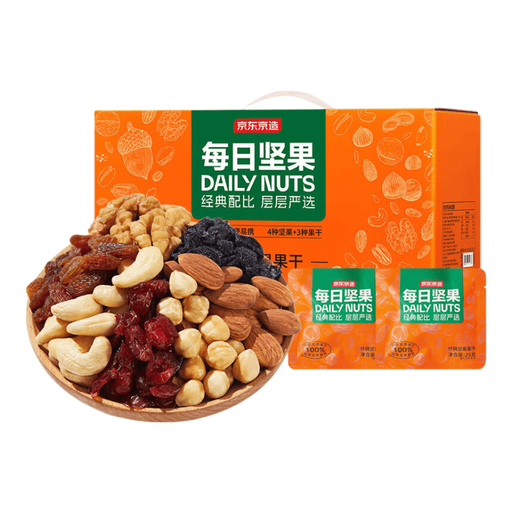 No image available
Individual 25g sachets provide a portioned nut-and-dried-fruit format. Check the exact pack’s protein per sachet, sugars, fibre and tree-nut declarations before deciding whether it meets your needs.
Do not assume that plain dried fruit will meet a protein-led need. ASDA lists 3.3g protein per 100g for its figs, Sainsbury’s lists 2.7g per 100g for its organic figs, and Sainsbury’s lists 2.4g per 100g for BEAR Dried Mango & Passionfruit. Compare the portion you will eat, then consider another protein food if needed.
The NHS says 30g of dried fruit counts as one 5 A Day portion, equivalent to around 80g of fresh fruit. Weighing a portion can help when buying from a larger pack.
Yes, the NHS advises eating dried fruit at mealtimes rather than between meals to reduce the risk of tooth decay. If you are buying it for later, plan to include it with a meal instead of grazing on it through the afternoon.
Not necessarily. Whitworths SHOTS Berries & Chocolate Clusters contain milk-protein crisp, while Whitworths lists 2.0g protein per 25g serving. Check the serving-level nutrition and allergen panel: this product contains milk and may contain peanuts, nuts and sesame.
Follow the instructions on the exact pack. ASDA says to refrigerate its Figs 200g after opening and use them within 7 days; Sainsbury’s gives a one-week refrigerated period for its SO Organic Figs.