What should you compare?
Decide whether you want fruit with supper or a stated amount of protein from one product, then compare portions rather than relying on a category name.
Plain dried fruit
Choose it when: You want fruit as one part of supper, not the main protein food.
Trade-off: Sainsbury’s mixed dried fruit provides 0.7g protein per 30g serving, so the fruit portion alone does little for a protein-focused meal.
Dried goji berries
Choose them when: You want dried fruit and are comparing products with different stated protein amounts.
Trade-off: ASDA lists 14g protein per 100g of its goji berries, but a smaller portion provides less; that product also lists sulphur dioxide.
Fruit-and-nut bar
Choose it when: A stated protein amount per bar matters more than eating plain dried fruit.
Trade-off: Sainsbury’s lists 6.2g protein per 45g nākd Cherry Fruit & Nut Protein Bar, which contains peanuts and may contain soya and nuts.
| Priority |
What to check |
Your needs |
| Protein per portion |
Compare protein per 100g on the same basis, then check the amount in the portion or bar you would actually eat. ASDA lists 14g per 100g for its goji berries; Sainsbury’s lists 0.7g per 30g of mixed dried fruit. |
I’m choosing supper for its protein, so I need the amount in my serving—not just a prominent number on the front of a pack. |
| Meal timing and portion |
The NHS counts 30g dried fruit as one 5 A Day portion and advises eating it at mealtimes to reduce tooth-decay risk. Lancashire and South Cumbria NHS Foundation Trust also advises avoiding sugary foods at bedtime. |
Fruit suits my supper better than repeated handfuls afterwards, particularly if I am eating close to bedtime. |
| Ingredients and allergens |
Read the current ingredients and allergy information for the exact product. ASDA’s goji berries list sulphur dioxide; Sainsbury’s listed nākd bar contains peanuts and may contain soya and nuts. |
If an ingredient matters to me, I need to check the particular fruit, blend or bar—not assume products in the same category are alike. |
| Product format |
Distinguish plain dried fruit from seed mixes and protein bars. Check each pack’s serving size, sugar figure and any preparation directions before choosing it for supper. |
I may prefer a fruit portion with another food, while someone wanting a single packaged option may compare bars by their stated protein per bar. |
Relevant brand references
These examples illustrate differences between UK grocery fruit products and fruit-and-nut formats; a brand name alone does not establish the nutrition of every product in its range.
ASDA
Its goji berries and figs provide two distinct dried-fruit labels to compare.
- ASDA lists 14g protein and 13g fibre per 100g of its goji berries.
- The goji-berry ingredients include sulphur dioxide; check the current pack if this affects your choice.
Sainsbury’s
Its listed mixed dried fruit and nākd bar show why fruit portions and fruit-and-nut bars should be compared separately.
- The listed nākd Cherry Fruit & Nut Protein Bar provides 6.2g protein per 45g bar.
- Sainsbury’s Mixed Dried Fruit lists 0.7g protein and 22.2g sugars per 30g serving; the listed bar contains peanuts.
Tesco
Its dried-fruit category includes formats such as apricots, mango, figs, prunes, dates and mixed fruit.
- The category offers several fruit types to compare by flavour, pack and portion.
- Check the nutrition label of the individual product if protein is your buying priority.
Whitworths
Its range includes dried fruit alongside nuts and seeds, which are different ingredients to consider when choosing a mix.
- A fruit, nut or seed combination gives you another format to compare with plain dried fruit.
- Check the exact mix’s ingredients, allergens and protein per serving rather than applying a range-wide description to one pack.
Joybuy products to consider
These options include goji berries, a seed-and-goji mix and protein bars. The bars offer an alternative to dried fruit when a stated protein amount is the main consideration; the products are not interchangeable in ingredients or preparation.
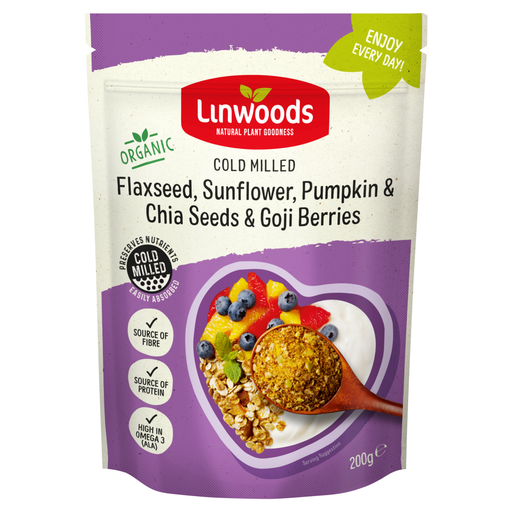 Image unavailable
Linwoods Flaxseed, Sunflower, Pumpkin & Chia Seeds & Goji Berries 200g
Consider this if you want a seed mix containing goji berries with supper, rather than plain dried fruit. Check the current pack’s protein per serving and allergy information, particularly if sesame, mustard, nuts or soya matter to you.
View on Joybuy
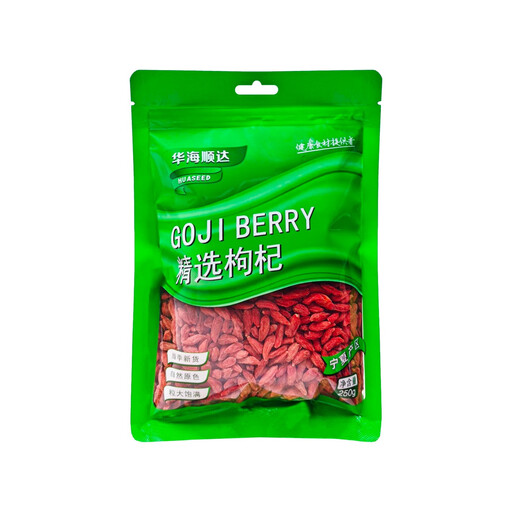 Image unavailable
Hua Hai Shun Da Goji Berries 250g
This is the plain goji-berry option among these products, rather than a seed mix or bar. It requires cooking before use: follow the pack’s preparation instructions, and check its protein figure for the portion you plan to serve.
View on Joybuy
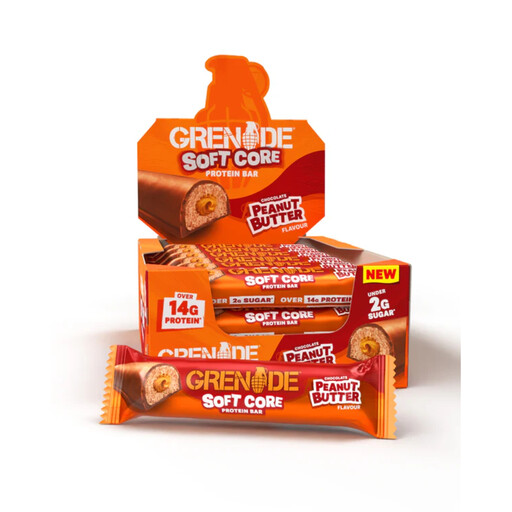 Image unavailable
Grenade Soft Core Peanut Butter Protein Bar 12 x 50g
Choose this format to compare a protein bar with fruit at supper; it is not a dried-fruit product. Check the protein amount per 50g bar and the current allergy label for milk, soya and peanuts. Follow the pack’s guidance on consumption of products containing polyols.
View on Joybuy
 Image unavailable
Grenade High Protein Low Sugar Protein Bar Oreo Flavour 4 x 60g
This is another bar to compare by its protein amount per 60g serving, not a dried-fruit choice. Check the current allergy information for milk, soya and wheat containing gluten, and follow the pack’s guidance on products containing polyols.
View on Joybuy
 Image unavailable
Nature Valley Protein Peanut & Chocolate Bar 4 x 40g
If you prefer a peanut-and-chocolate bar to dried fruit, compare the stated protein and sugars per 40g bar with other options. Check the current allergy label for peanuts, soya, milk and any nut warnings.
View on Joybuy
Frequently asked questions
Can dried fruit supply the protein for a late supper on its own?
Ordinary dried fruit is a poor choice when protein is the main aim: Sainsbury’s Mixed Dried Fruit lists 0.7g per 30g serving. ASDA Goji Berries list 14g per 100g, but check the amount in the portion you would eat before deciding what else to include in supper.
How much dried fruit counts as a fruit portion?
The NHS counts 30g of dried fruit as one 5 A Day portion. Check the product’s serving information too: Sainsbury’s Mixed Dried Fruit lists 22.2g sugars in a 30g serving.
Should I eat dried fruit with supper or snack on it at bedtime?
Eat it as part of supper rather than grazing on it afterwards. The NHS advises having dried fruit at mealtimes to reduce tooth-decay risk, and Lancashire and South Cumbria NHS Foundation Trust advises avoiding sugary foods at bedtime.
Does a higher protein figure make goji berries a high-protein supper?
Not by itself. ASDA lists 14g protein per 100g of its goji berries, but your portion may be smaller than 100g. Compare protein per serving and consider whether the rest of supper supplies what you are looking for.
What changes if I choose a fruit-and-nut bar instead?
A bar is a different product from plain dried fruit, so compare its protein per bar and read its ingredients and allergy information. Sainsbury’s listed nākd Cherry Fruit & Nut Protein Bar provides 6.2g protein per 45g bar, contains peanuts and may contain soya and nuts.


