What should you check?
Decide whether you need dried fruit specifically or a food chosen chiefly for protein, then compare labels using the portion you expect to eat.
| Priority | What to check | Your needs |
|---|
| Protein and claims | Compare protein per 100g across plain dried fruit, then check the stated serving. Under the high-protein claim condition published on legislation.gov.uk, at least 20% of a food’s energy must come from protein; a gram figure alone does not establish this. | I want dried fruit with more protein, but I do not want to mistake “source of protein” for “high protein”. ASDA, Sainsbury’s and Tesco list 14g, 11.4g and 10.5g per 100g for the goji berries examined. |
| Food category | Check whether a product is plain dried fruit or a blend containing seeds or other ingredients. Tesco lists 22g protein per 100g for a Linwoods seed-and-goji blend; it is not plain dried fruit. | If protein is my main reason for shopping, I am willing to consider a different food category and check its ingredients and portion label. |
| Portion and timing | The NHS counts 30g of dried fruit as one 5 A Day portion and advises eating it at mealtimes rather than between meals to reduce tooth-decay risk. | I plan to add dried fruit to a meal, rather than graze from a large bag throughout the day. |
| Allergy information | Read the ingredients and “may contain” statement on the exact pack. The ASDA, Tesco and M&S goji listings disclose sulphur dioxide or sulphites; their precautionary statements are not identical. | Someone in my household needs me to check the particular product and variant before it goes into the trolley. |
| Pack size | Compare pack weights with the amount you expect to use. A larger pack does not, by itself, establish a higher protein content per 100g. | For a weekly shop, I want a quantity that fits how often dried fruit will be used in meals or baking. |
Brand references for this choice
These details concern the specific products examined, not every dried-fruit product from each brand or retailer.
ASDA
ASDA Goji Berries 100g is a plain dried-goji option labelled “source of protein”.
- ASDA lists 14g protein per 100g for this product.
- Its listing includes sulphur dioxide and says it may contain nuts and peanuts; check the pack label.
Sainsbury’s
Sainsbury’s Goji Berries 100g is another plain dried-goji option labelled “source of protein”.
- The listing gives 11.4g protein per 100g.
- Its stated 10g serving provides 1.1g protein, so check the serving figure as well as the per-100g figure.
Tesco
Tesco lists plain goji berries alongside other dried fruits and a separate seed-and-goji blend.
- Tesco Goji Berries lists 10.5g protein per 100g.
- That goji listing includes sulphur dioxide and says it may contain sesame, peanut and nuts. The seed blend is a different type of product.
M&S
M&S lists 100g dried goji berries for use in dishes such as overnight oats and salads.
- The product listing gives 8.4g protein per 100g.
- It includes sulphur dioxide or sulphites; check the exact pack before use.
Whitworths
Whitworths SHOTS Berries & Chocolate Clusters is a mixed snack, not plain dried fruit.
- Its label gives 2.0g protein per 25g serving.
- It contains milk and may contain peanuts, nuts and sesame, so check it as a distinct product rather than as an alternative plain dried fruit.
Goji berry options on Joybuy
These goji berry packs offer different quantities for adding dried fruit to a weekly shop. Compare the current nutrition, ingredients and allergy information on each exact product before choosing it for protein.
 No image available
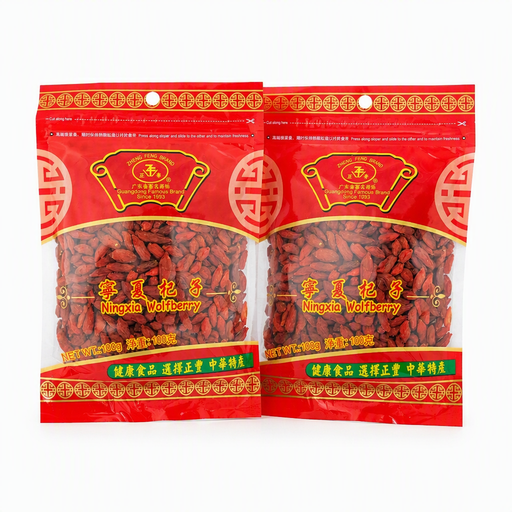
Zheng Feng NingXia Wolfberry 100g ×2
A two-pack option for households planning to use goji berries across several meals. Compare protein per serving and check the ingredients and allergy information on the exact packs.
 No image available
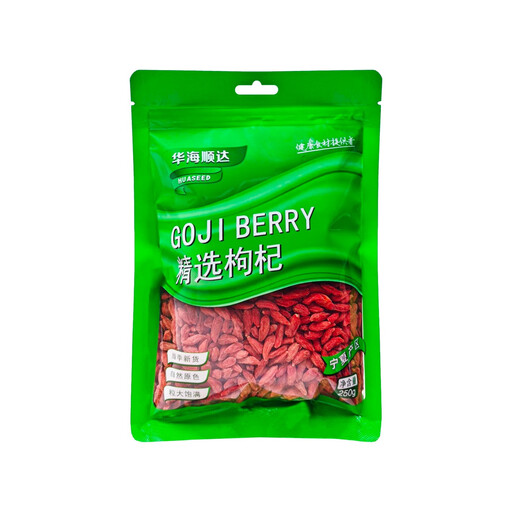
Hua Hai Shun Da Goji Berries 250g
The 250g pack may suit a household that plans to use goji berries repeatedly during the week. Check its per-serving protein figure and the current pack’s allergy information.
 No image available
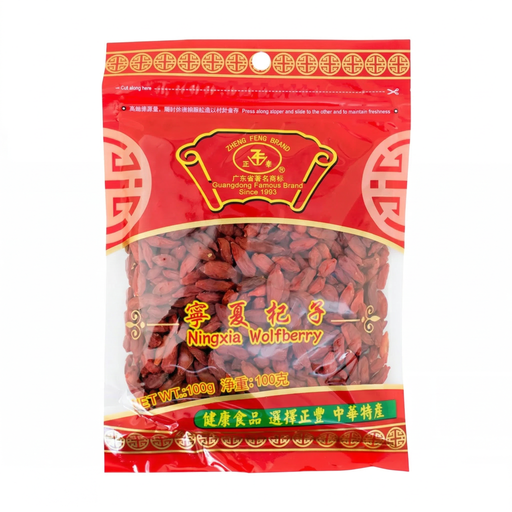
Zheng Feng NingXia Wolfberry 100g
This single 100g pack offers a smaller quantity than the two-pack variant. Check the nutrition label for the portion you intend to add to a meal, along with the pack’s ingredients.
 No image available
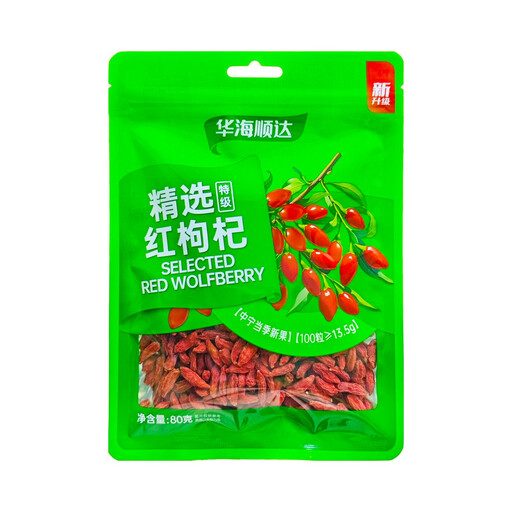
HUASEED Goji Berries 80g
The 80g pack is a smaller quantity to consider if goji berries will be an occasional meal topping. Compare its labelled serving with how much you expect to use and check the exact pack for allergens.
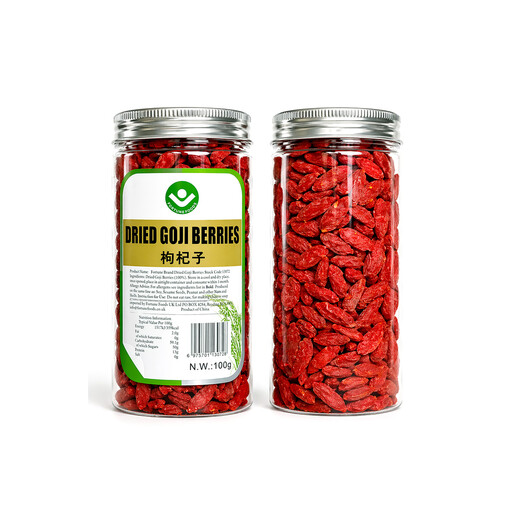 No image available
Back-to-School Goji Berries 100g
This 100g goji berry pack is another quantity to compare for meal toppings. Read the current nutrition and allergy information on the exact pack before relying on it for a household purchase.
Questions about dried fruit and protein
Does protein in dried fruit make it a “high protein” food?
No—not on the gram figure alone. The high-protein nutrition-claim condition published on legislation.gov.uk requires at least 20% of the food’s energy to come from protein; the ASDA, Sainsbury’s and Tesco goji listings examined instead use “source of protein” wording.
Which of the plain dried-goji products examined lists the most protein?
ASDA Goji Berries lists 14g per 100g, compared with 11.4g for Sainsbury’s, 10.5g for Tesco and 8.4g for M&S. Those retailer figures compare these four products only, not every dried fruit available in the UK.
How should I plan dried fruit into meals?
The NHS counts 30g of dried fruit as one 5 A Day portion and advises having dried fruit at mealtimes rather than between meals to reduce tooth-decay risk. Use that portion guidance when deciding how quickly your household will use a pack.
What allergy information matters for goji berries?
Read the exact pack’s ingredients and precautionary statements. The ASDA, Tesco and M&S goji listings examined disclose sulphur dioxide or sulphites, while the stated possible contact with other allergens differs between products.
Should I choose a seed-and-goji blend instead for protein?
Consider one if protein matters more than buying plain dried fruit: Tesco lists 22g protein per 100g for a Linwoods blend of seeds and goji berries. It is a different product category, so check its serving and precautionary allergen information rather than comparing it as though it were plain fruit.


