Students cooking with cupboard staples
Plain dried fruit can add sweetness to a meal, but it needs a separate protein component. Sainsbury’s Mixed Dried Fruit label lists 1.6g protein per 100g.


Plain dried fruit adds flavour to a student dinner but contributes little protein: Sainsbury’s Mixed Dried Fruit lists 1.6g per 100g. For more protein from a dried-fruit-containing ingredient, compare mixes with seeds, pulses or nuts; otherwise, use the fruit alongside a separate protein food such as beans, lentils, eggs or tofu. A mix or bar can be an addition to dinner, but its serving size and allergens still matter.
Plain dried fruit can add sweetness to a meal, but it needs a separate protein component. Sainsbury’s Mixed Dried Fruit label lists 1.6g protein per 100g.
Seed-, pulse- and nut-containing mixes offer a different option from plain fruit. Whitworths lists 26g protein per 100g for its Power 10 Protein Topper, which also contains raisins and goji berries. Check the ingredients if nuts or other allergens affect your choice.
A fruit-and-peanut bar is easier to carry than an ingredient for cooking, but it serves a different purpose from dinner. Sainsbury’s lists 6.2g protein per 45g bar for the checked nākd Cherry Fruit & Nut Protein Bars.
Decide whether the fruit is there for flavour or whether you want the product itself to contribute protein. Then compare a realistic serving and the ingredients, rather than relying on the product category or its name.
| Priority | What to check | Your needs |
|---|---|---|
| Protein contribution | Compare protein per 100g and per serving on the same basis. Check whether seeds, pulses, nuts or peanuts supply the protein: Whitworths lists 13.7g per 100g for its 1DERS fruit-and-nut mix, while Sainsbury’s Mixed Dried Fruit lists 1.6g per 100g. | I want the dinner to include a clear protein component, not just a sweet fruit addition. |
| Meal role | Check whether the pack is a cooking ingredient, a topper or an individual bar. Plan a separate protein food if the dried fruit is only a small addition. | For a dinner I can assemble from cupboard ingredients, I need something that fits the meal; a portable bar meets a different need. |
| Portion and sugars | Read the serving size and sugars per serving, particularly for sweetened fruit or bars. The NHS says 30g dried fruit counts as one 5 A Day portion and advises eating dried fruit at mealtimes rather than between meals to reduce tooth-decay risk. | I want to add a measured amount to dinner rather than keep snacking on dried fruit between meals. |
| Ingredients and allergens | Read the exact pack’s ingredient, allergen and may-contain statements. The checked Whitworths Power 10 topper contains almonds and peanuts; other dried-fruit-containing products can have different ingredients. | If peanuts, tree nuts or other ingredients are unsuitable for me, I need to check the individual product before choosing it. |
Plain fruit and a fruit-containing topper have different compositions. Sainsbury’s Mixed Dried Fruit lists 1.6g protein per 100g; Whitworths Power 10 Protein Topper lists 26g per 100g and contains seeds, pulses and nuts as well as fruit.
Compare the protein figures per 100g and per serving, then read the ingredients to see what the mix adds to your dinner.
An individually portioned bar may suit a journey or a break, but its format is less useful when you want to mix dried fruit into a dinner.
Choose the format for the occasion: use plain dried fruit for flavour in a recipe, or compare a topper if you want that addition to contribute protein.
Sugars and protein figures can look different per 100g and per serving. The NHS also advises having dried fruit at mealtimes rather than as a between-meal snack to reduce tooth-decay risk.
Check the serving figure on the pack and add a measured amount to the meal.
Nuts, peanuts and other added ingredients can determine whether a mix is suitable for someone with an allergy or a particular dietary requirement.
Check the current pack’s ingredients, allergen declaration and may-contain statement; do not assume all dried-fruit products have the same composition.
These examples show why a brand’s plain fruit and its fruit-containing mixes should be assessed as separate products.
Its range includes plain raisins and mixes that combine fruit with other ingredients.
Its listings include both bulk dried fruit and individually portioned fruit-and-nut bars.
Its dried-fruit category includes large bags of raisins and sultanas for cooking.
M&S lists fruit snacks and a separate High Protein food range.
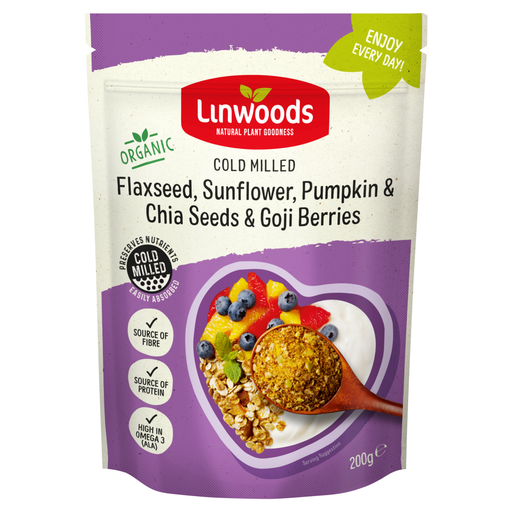
These options include a seed-and-goji-berry blend to consider as a meal addition and four bars suited more to carrying than to cooking dinner. Several of the bars are not dried-fruit products, so compare them with the original dried-fruit question in mind.
 No image available
Consider this seed-and-goji-berry blend if you want an addition to a prepared meal rather than plain dried fruit alone. The named seeds are flaxseed, sunflower, pumpkin and chia; check the pack for serving information and allergen statements.
 No image available
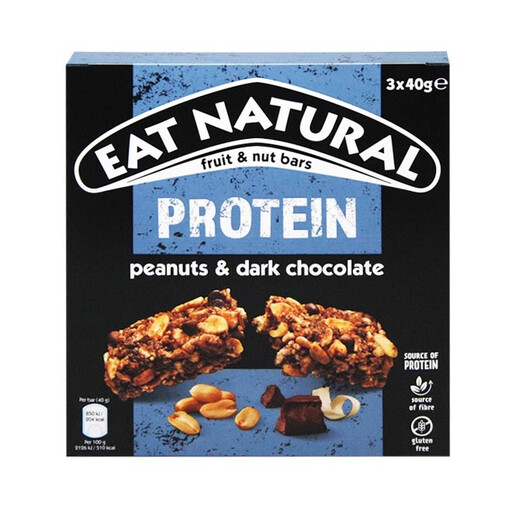
This peanut-and-chocolate bar is a portable option, not dried fruit to add to dinner. The pack contains four 40g bars; check its individual nutrition and allergen label before choosing it.
 No image available
This three-bar pack fits a portable-snack use rather than a dried-fruit dinner recipe. The named flavour is peanut and chocolate; check the pack for its ingredients, nutrition and allergens.
 No image available
This is a pack of twelve 50g peanut-butter-flavoured bars for a snack occasion, not a dried-fruit ingredient for dinner. Check the individual bar’s nutrition and ingredients if its protein contribution or dietary suitability matters to you.
 No image available
This four-bar pack suits carrying a snack rather than adding fruit to a cooked dinner. Each bar is 35g; check the pack’s ingredient, protein-per-bar and allergen information when comparing it with a fruit-and-nut mix.
Do not rely on plain dried fruit as the dinner’s main protein component. Sainsbury’s Mixed Dried Fruit lists 1.6g protein per 100g, and Whitworths Sunny Raisins list 3.3g per 100g. Whitworths Power 10 Protein Topper lists 26g per 100g, but it combines fruit with seeds, pulses and nuts.
Add a small amount of dried fruit for flavour and make the protein component explicit with a food such as beans, lentils, eggs or tofu. If choosing a fruit-containing mix instead, compare its protein per serving and check whether the ingredients suit you.
The NHS says 30g of dried fruit counts as one portion of 5 A Day. That portion guidance does not make dried fruit a main protein component; use the product’s nutrition label to check what a serving contributes.
The NHS advises eating dried fruit at mealtimes rather than between meals to reduce tooth-decay risk. You can incorporate a measured amount into dinner instead of grazing on it separately.
Check the exact product’s ingredient and allergen statements, including any may-contain warning. Whitworths Power 10 Protein Topper contains almonds and peanuts, while its 1DERS fruit-and-nut mix contains peanuts; other products can differ.