Who is each snack format for?
The useful starting point is whether you want dried fruit itself, a mix containing fruit and nuts, or a bar that may be a different kind of snack altogether.
Shoppers comparing protein amounts
If protein is your main reason for changing your TV snack, compare grams per stated serving as well as per 100g. The Sainsbury's apricot and Whitworths fruit-and-nut examples have different ingredients and protein amounts; the fruit-and-nut format should not be mistaken for plain dried fruit.
People avoiding nuts or peanuts
A fruit-only format may be more relevant than a fruit-and-nut mix, but check the exact pack's ingredients and allergen statement. Whitworths lists peanuts in its 1DERS Energising Fruit and Nut Mix; Sainsbury's lists sulphur dioxide in its ready-to-eat dried apricots. Plain dried fruit is not a substitute for a protein-focused choice.
Evening snackers considering eating time
If dried fruit is something you would eat while watching TV between meals, take the eating occasion into account. The NHS advises having dried fruit at mealtimes rather than as a between-meal snack.
What should you check before choosing?
Decide whether fruit flavour, protein amount or a single-bar format matters most, then compare the declared serving and ingredients. A 30g serving of loose fruit or mix is not the same portion as a 45g bar.
| Priority |
What to check |
Your needs |
| Protein |
Compare protein per serving and per 100g on the same product label. Sainsbury's lists 0.8g per 30g for its dried apricots; Whitworths lists 4.1g per 30g for its 1DERS fruit-and-nut mix; Sainsbury's lists 6.2g per 45g for the nākd Cherry Fruit & Nut Protein Bar. These are examples of different formats, not equivalent portions. |
I'm choosing primarily for protein, so I want to know what one portion provides—not assume that dried fruit or the word ‘protein’ on a bar gives me a particular amount. |
| Sugars and portion |
Read sugars against the pack's stated serving size before comparing products. Sainsbury's lists 10.9g sugars per 30g for its ready-to-eat dried apricots. If using a larger bag, measure the portion you intend to eat. |
For a TV snack, I'd rather decide on a portion than keep eating from a bag without noticing how much I've had. |
| Ingredients |
Check the exact pack for nuts, peanuts, sulphur dioxide and any relevant allergen warnings. Whitworths lists peanuts in its 1DERS fruit-and-nut mix; Sainsbury's lists sulphur dioxide in its ready-to-eat apricots. |
If an ingredient or allergen matters in my household, the pack declaration determines whether that particular snack is suitable. |
| Eating occasion |
Consider when you plan to eat dried fruit. The NHS says 30g counts as one 5 A Day portion and advises eating dried fruit at mealtimes, not as a between-meal snack. |
If TV time falls between meals, I want to take that NHS advice into account rather than making dried fruit my routine standalone snack. |
Which brand references help with comparison?
These examples show why the exact product and nutrition panel matter more than a brand name alone; they do not describe every product in each range.
Whitworths
Whitworths provides an example of a fruit-and-nut mix alongside its other snack formats. Its 1DERS Energising Fruit and Nut Mix lists peanuts, raisins and sweetened dried cranberries.
- Whitworths lists 13.7g protein per 100g and 4.1g per 30g for this particular mix.
- It contains peanuts and is not equivalent to a pack of plain dried fruit.
Sainsbury's
Sainsbury's product listings offer two different comparison points: own-label ready-to-eat dried apricots and nākd Cherry Fruit & Nut Protein Bars.
- Its apricot label lists 0.8g protein and 10.9g sugars per 30g; its nākd bar listing gives 6.2g protein per 45g bar.
- The bar is a different product format from plain dried fruit. The listed apricots contain sulphur dioxide.
Tesco
Tesco Groceries lists several dried-fruit types, including prunes, dates, raisins and mango. That range makes it useful to identify the type of fruit you want before comparing individual packs.
- The listed categories give shoppers a choice of dried-fruit formats.
- A category listing does not establish the protein amount of an individual product; check that pack's nutrition panel.
Joybuy bars to compare for TV-night snacking
These Joybuy options are individual snack-bar formats for shoppers considering a bar instead of loose dried fruit. Compare each pack's ingredients and nutrition panel against your fruit preference, protein goal and allergen needs; a nut or protein bar is not automatically a dried-fruit snack.
 No image available
Nakd Peanut Delight 4 x 35g
If you want a bar for a TV-night portion rather than loose dried fruit, compare the protein declared for one 35g bar with other formats. The name identifies peanuts; check the current pack for its full ingredient and allergen information.
View on Joybuy
 No image available
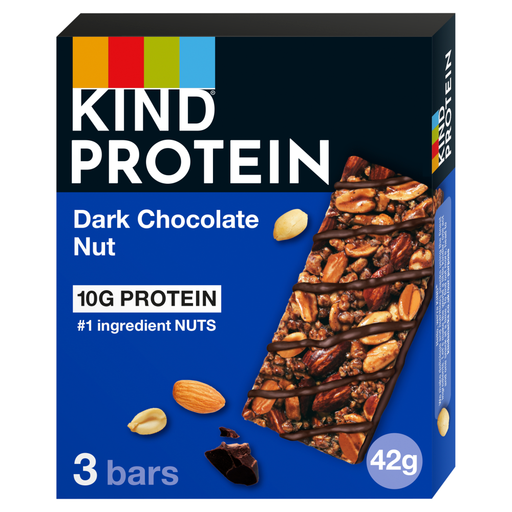
KIND Protein Dark Chocolate Nut Bars 3 x 42g
This dark-chocolate nut bar is a different choice from plain dried fruit if fruit is the reason you started shopping. Compare the nutrition information for one 42g bar and check the pack's nut and other allergen declarations.
View on Joybuy
 No image available
Nature Valley Protein Peanut & Chocolate Bar 4 x 40g
Consider this peanut-and-chocolate bar only if a bar, rather than dried fruit, meets the snack you want. Read the protein figure for one 40g bar and check the complete ingredient and allergen statement on the pack.
View on Joybuy
Questions about dried fruit and protein
Is plain dried fruit a useful choice when protein is the priority?
The reviewed plain-apricot example contributes relatively little protein per stated portion: Sainsbury's lists 0.8g per 30g. If protein is the deciding factor, compare the exact pack's protein per serving and per 100g with the other snack formats you are considering.
How do the fruit-based examples compare for protein?
Sainsbury's lists 0.8g per 30g for its ready-to-eat dried apricots and 6.2g per 45g for the nākd Cherry Fruit & Nut Protein Bar; Whitworths lists 4.1g per 30g for its 1DERS Energising Fruit and Nut Mix. The serving sizes and product formats differ, so check per-100g figures as well as the amount in the portion you would eat.
Does dried fruit count towards 5 A Day?
Yes. The NHS says 30g of dried fruit counts as one portion of 5 A Day. It also advises eating dried fruit at mealtimes rather than as a between-meal snack—an important distinction if you usually watch TV between meals.
Which ingredients need particular attention?
Check the current pack for any allergens relevant to you. Whitworths lists peanuts in its 1DERS fruit-and-nut mix, while Sainsbury's lists sulphur dioxide in its ready-to-eat dried apricots. Do not assume that a different flavour or format from the same brand has the same ingredients.
Should I compare a large bag with a single bar?
Yes, but compare defined portions rather than a whole bag with one bar. The Sainsbury's apricot and Whitworths mix examples state 30g servings, while the listed nākd Cherry Fruit & Nut Protein Bar is 45g. Check the amount you intend to eat before comparing their protein or sugars.


