Parents packing school meals
Portion size, ingredients and allergen information matter when choosing dried fruit to eat with a school meal. The NHS advises keeping dried fruit to mealtimes rather than using it for between-meal grazing.


For a calorie-aware school shop, compare dried fruit by kcal per 100g and by the amount that will actually be eaten: a small packet does not necessarily have fewer calories for the same weight. The NHS counts 30g of dried fruit as one 5 A Day portion and advises eating it at mealtimes rather than between meals to reduce tooth-decay risk. Check the final pack for ingredients, allergens and any stone warning.
Portion size, ingredients and allergen information matter when choosing dried fruit to eat with a school meal. The NHS advises keeping dried fruit to mealtimes rather than using it for between-meal grazing.
A clearly sized pack can make portions easier to compare, but its kcal figure needs to be read alongside the pack weight. Comparing products per 100g helps separate portion size from differences in energy content.
Read each current pack’s allergen declaration and any pit or stone warning. The Food Standards Agency notes that sulphites are used in some dried fruit and that people with asthma have a higher risk of reacting to sulphur dioxide.
Start with the portion you plan to serve, then compare the nutrition and ingredients on the same basis. Pack format matters most once those details suit the intended meal.
| Priority | What to check | Your needs |
|---|---|---|
| Energy and portion | Compare kcal per 100g, then check the pack weight or measure the amount to be served. The NHS uses 30g as a dried-fruit 5 A Day portion; packs may contain a different amount. | I want to know how much dried fruit will be eaten, rather than treating the calories printed for one pack as a like-for-like comparison. |
| Eating occasion | Plan dried fruit as part of a meal. The NHS advises mealtimes rather than between-meal snacking to reduce tooth-decay risk; check sugars per 100g when comparing labels. | For a school day, I would pack dried fruit to eat with lunch rather than as something to graze on between meals. |
| Ingredients | Read the ingredients list for syrups, juice concentrates, biscuit or chocolate components. Compare the nutrition panel as well: a small flavoured pack is not automatically lower in kcal per 100g. | I may want plain fruit, or I may prefer a fruit-based mix; I need to know which one I am buying. |
| Allergens and stones | Check the current pack’s allergen declaration, including sulphites where relevant, and look for pit or stone warnings. Tesco warns that its mechanically pitted Sunsweet prunes may contain an occasional pit or partial pit. | If I am serving a child with an allergy or other relevant sensitivity, I need the label for that exact pack. I also want to check pitted fruit before serving it. |
| Pack format | Check whether the stated weight is for an individual pack or a larger bag. A measured portion from a bag and a single-serve pack can both give a clear serving size. | Individual packs would simplify packing lunch; a larger bag would work if I am happy to measure portions for meals. |
Whitworths lists its SHOTS Fruity Biscuit at 93 kcal, but its ingredients include white-chocolate-coated biscuit balls and fruit-derived syrup. That pack figure does not describe an equivalent serving of plain dried fruit.
Compare kcal per 100g, check how much you intend to serve and read the ingredients before choosing between products.
The NHS says 30g of dried fruit counts as one 5 A Day portion, but advises eating dried fruit at mealtimes rather than between meals to reduce tooth-decay risk.
Plan the portion for breakfast or lunch instead of relying on it as a snack to eat throughout the school day.
The Food Standards Agency identifies sulphites as an ingredient used in some dried fruit. Tesco also warns that its mechanically pitted Sunsweet prunes may contain an occasional pit or partial pit.
Read the current pack’s allergen and safety information, and check pitted fruit before serving it to a child.
A per-100g nutrition figure describes a weight of food, not necessarily the amount someone will take from a bag. Tesco’s Sunsweet prunes and M&S Mixed Dried Fruit are listed in 500g bags.
Measure the intended serving or choose a pack with a clearly stated individual weight when repeatable portions matter.
These examples show why product format and ingredients matter more to this decision than a brand name alone.
Its dried-fruit range includes portion packs as well as fruit-based mixes with biscuit components.
Tesco lists Sunsweet Stoned Prunes in a 500g bag for shoppers who are willing to measure a serving.
Its listings include vine-fruit mixes for household use and other dried fruits with different ingredient and allergen details.
Tesco’s Sunsweet product listing is a retailer reference for comparing the stated nutrition, ingredients and safety warning of that particular bag.
These prunes, dragon fruit, mango, figs and plums offer different pack sizes for school-day meals. Compare each current nutrition label and ingredients list before deciding which portion fits.
 No image available
The 500g pack allows you to measure prunes for a meal. Check the current ingredients and nutrition label, and inspect pitted fruit for possible fragments before serving.
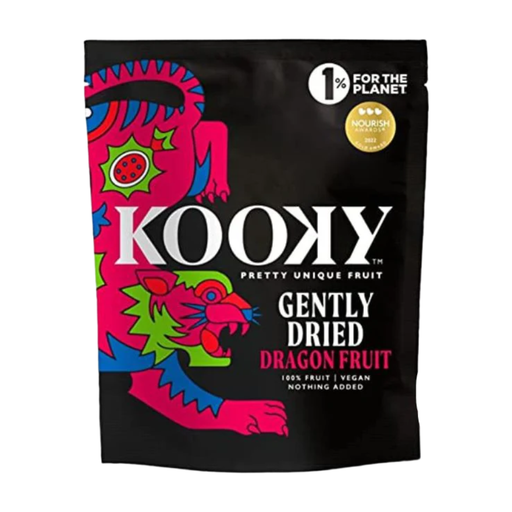 No image available
The 20g pack gives you a stated amount to plan around a meal. Read its kcal per 100g as well as its pack information; a small serving does not establish that a product has fewer calories weight for weight.
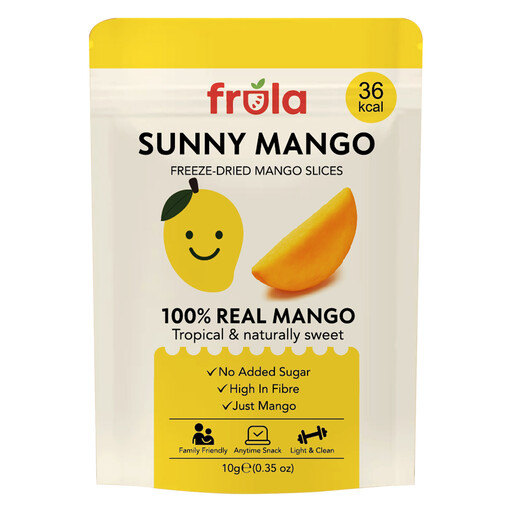 No image available
This 10g freeze-dried mango pack has a clearly stated weight for planning a portion with a meal. Compare the pack’s energy and ingredients with other dried fruit before treating its small size as a lower-calorie choice.
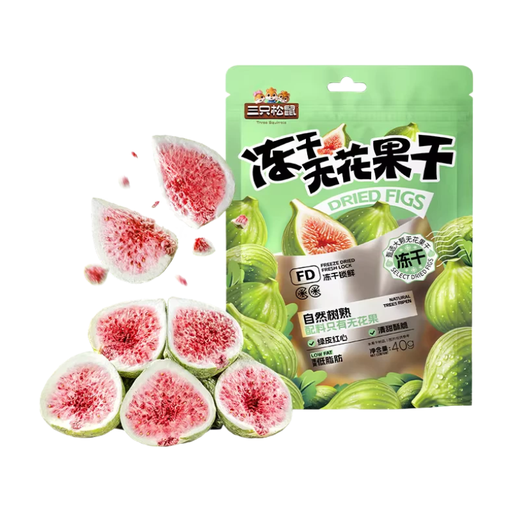 No image available
The 40g pack is larger than the NHS’s 30g dried-fruit 5 A Day portion. Check how much will be eaten with the meal and use the nutrition panel to compare that amount with smaller packs.
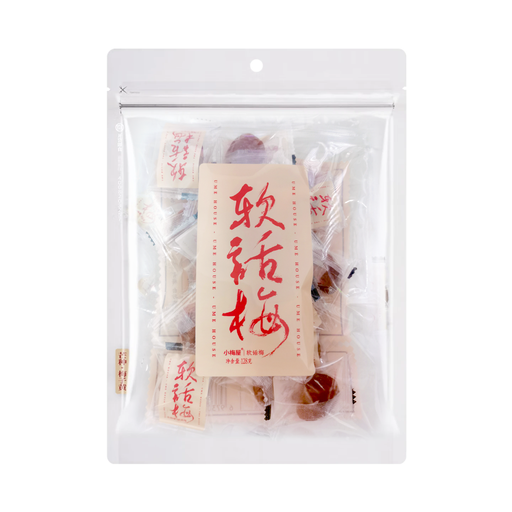 No image available
If you are considering these soft dried plums for a school meal, decide on a serving from the 128g pack rather than treating the whole pack as one portion. Check the current ingredients, salt and sugar information alongside kcal per 100g.
Yes. The NHS says 30g of dried fruit counts as one portion of 5 A Day. It advises eating dried fruit at mealtimes rather than between meals to reduce tooth-decay risk.
Not necessarily: pack weight affects the calories eaten, while kcal per 100g lets you compare products on the same weight basis. For school meals, check both figures and follow the NHS advice to have dried fruit with a meal rather than as a between-meal snack.
No. ‘No added sugar’ does not tell you the total sugars or energy in a serving. Tesco describes Sunsweet Stoned Prunes as having no added sugar and lists 229 kcal per 100g; use the nutrition panel and intended portion for the comparison.
Read the allergen declaration on the current pack of that specific product. The Food Standards Agency notes that sulphites are used in some dried fruit and that people with asthma have a higher risk of reacting to sulphur dioxide. Check any pit or stone warning separately; Tesco warns that its mechanically pitted Sunsweet prunes may contain occasional fragments.