What should you check before choosing?
Name the exclusion and check the school’s rules first; then compare individual packs rather than relying on a fruit type, brand or front-of-pack description.
| Priority | What to check | Your needs |
|---|
| Named allergens |
Read the current ingredients for the pupil’s allergen. Check any product-specific suitability statement for exactly which allergens it covers. |
I need a pack that fits this pupil’s particular exclusion, not one described simply as ‘free from’. |
| Cross-contact |
Look for ‘may contain’ and equivalent precautionary wording. The Food Standards Agency explains that this wording signals possible unintended allergen presence, rather than an ingredient deliberately added. |
A short ingredient list is not enough for me if a relevant cross-contact warning changes whether the pupil can have the product. |
| School policy |
Check the school’s current instructions for packed lunches, including any restrictions on particular allergens. Department for Education guidance for England says food brought from home should be considered in allergy-safety arrangements. |
Before packing it, I want to know that the product meets this school’s requirements as well as the pupil’s dietary needs. |
| Sulphites |
Check the ingredients and allergen declaration for sulphur dioxide or sulphites. The Food Standards Agency notes that these are often used in dried fruit, including raisins, apricots and prunes. |
If the pupil must avoid sulphites, the declaration on this particular pack matters more than the type of fruit pictured. |
| Mixes and coatings |
Compare the full label for added ingredients and precautionary statements. For example, Whitworths lists soya and sulphur dioxide in its SHOTS Raisin & Chocolate product, alongside warnings for several other allergens. |
I would check a coated snack or fruit mix separately, even if a plain dried-fruit product from the same brand fits the lunch. |
| Meal timing |
Consider whether the dried fruit will be eaten with lunch. NHS guidance advises mealtimes rather than between-meal snacking because dried fruit can stick to teeth. |
I’m packing this as part of lunch, rather than assuming a separate break-time snack has the same considerations. |
Brand and retailer references
These examples show why allergen information must be checked product by product; a brand name does not establish suitability.
Whitworths
Whitworths makes plain raisins as well as coated dried-fruit snacks with different ingredient and allergen statements.
- The manufacturer lists raisins (99%) and sunflower oil for Sunny Raisins, giving a short ingredient list to start screening.
- That ingredient list does not establish freedom from a named allergen. Whitworths’ SHOTS Raisin & Chocolate has materially different allergen information.
M&S
M&S provides product-specific ingredients and allergy suitability wording for dried-fruit products.
- M&S says it labels named allergens in ingredients and uses a specific statement where cross-contamination may be possible.
- Its Orchard Fruits Medley contains sulphites and is marked unsuitable for people with nut, peanut and sesame allergies. Check each product rather than extending one listing’s wording across the range.
Dried-fruit options on Joybuy
These dried figs and mango products are options to screen for a secondary-school packed lunch. Check each current pack against the pupil’s named exclusion and the school’s policy; inclusion here is not an allergen-free recommendation.
 No image available
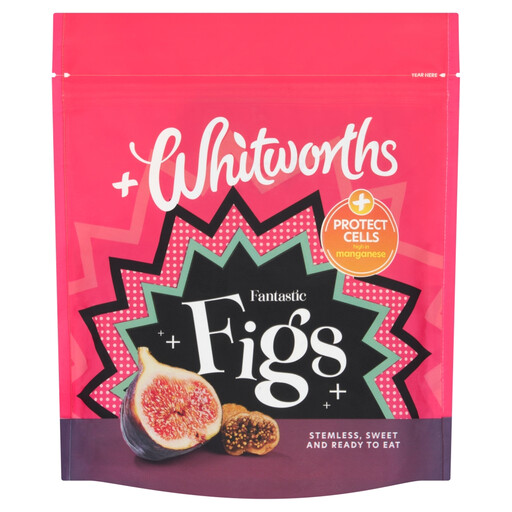
Whitworths Figs 175g
For a packed lunch, check these dried figs against the pupil’s named allergens and the school’s policy. A facility warning concerning nuts and peanuts is relevant if either must be avoided; confirm the wording on the current pack.
View on Joybuy
 No image available
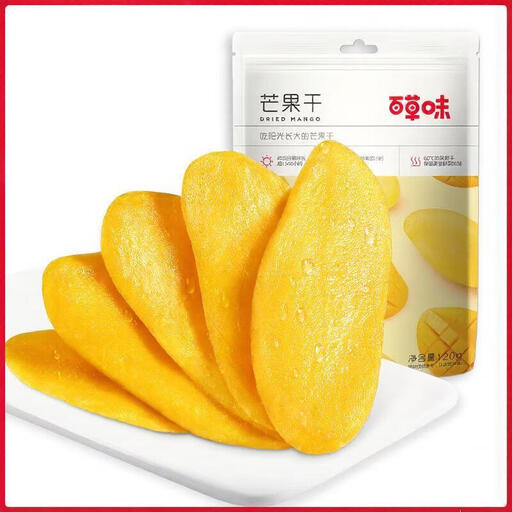
Be&Cheery Dried Mango 120g
For a pupil who needs an allergen exclusion, read the current mango pack’s full ingredients and any precautionary wording. Check added ingredients as well as allergens rather than treating a fruit name or an ‘Allergens: None’ statement as a complete answer.
View on Joybuy
 No image available
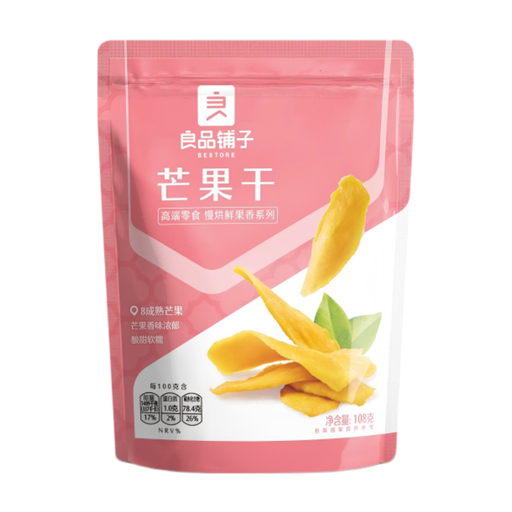
Bestore Dried Mango 108g
This dried mango is flagged as containing sulphur dioxide and sulphites, so it does not fit a requirement to avoid them. Confirm the ingredients and allergen declaration on the current pack before choosing it for a pupil with other exclusions.
View on Joybuy
 No image available
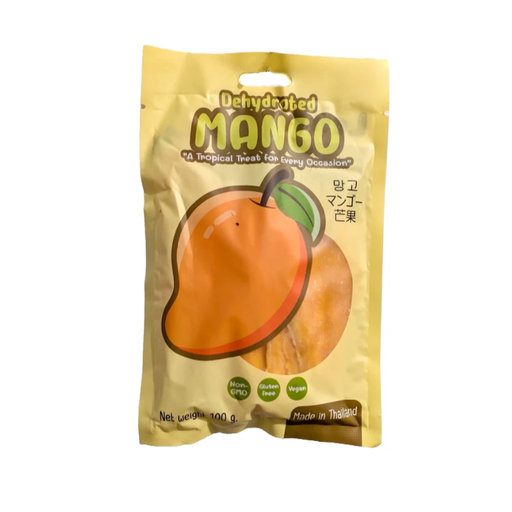
Leila Thai Dehydrated Mango 100g
Sulphites are flagged for this dehydrated mango, ruling it out when the pupil must avoid them. Check the current pack’s full allergen wording and the school’s requirements for any other packed-lunch decision.
View on Joybuy
Frequently asked questions
Is plain dried fruit automatically allergen-free?
No. A short ingredient list can simplify an initial check, but it does not establish freedom from the pupil’s named allergen or possible cross-contact. Read the current pack’s ingredients and precautionary wording, then check the school’s requirements.
What does ‘may contain’ mean on dried fruit?
It is precautionary allergen wording about possible unintended presence, not a declaration that the allergen was deliberately added as an ingredient. The Food Standards Agency describes such wording as a way to communicate potential cross-contamination involving UK-regulated allergens; assess the named warning against the pupil’s requirements.
Do I need to check dried fruit for sulphites?
Yes, when the pupil must avoid sulphites. The Food Standards Agency notes that sulphur dioxide and sulphites are often used in dried fruit, but individual products differ, so read the exact pack’s ingredients and allergen declaration.
Should dried fruit be eaten with the packed lunch?
NHS guidance advises eating dried fruit at mealtimes because it can stick to teeth. It can be part of lunch when the particular product also meets the pupil’s dietary requirements and the school’s policy.
Can I pack a product that appears nut-free at any school?
Check the individual school’s current packed-lunch policy before packing it. Department for Education guidance for England says schools must publish an allergy safety policy and should consider food brought from home in their allergy-safety arrangements; a product’s appearance does not settle those requirements.


