Families packing school lunches
Individual boxes or bags can go into a lunchbox without measuring or repacking. Put the dried fruit with lunch rather than packing it as a separate between-meal snack, in line with NHS advice.


Choose an individually portioned pack if you want dried fruit that can go straight into a school lunchbox, but check the weight and ingredients of the particular bag. A 14g or 16g pack is smaller than the 30g of dried fruit the NHS counts as one 5 A Day portion; the NHS also advises eating dried fruit with a meal rather than between meals to reduce the risk of tooth decay.
Individual boxes or bags can go into a lunchbox without measuring or repacking. Put the dried fruit with lunch rather than packing it as a separate between-meal snack, in line with NHS advice.
Read the weight of each box, not just the multipack total. The NHS counts 30g of dried fruit as one 5 A Day portion, while the Tesco and Sainsbury’s raisin mini boxes listed here contain 14g each.
The distinction between a dried-fruit pack and a fruit-and-nut mix matters when a child needs to avoid particular ingredients or a school has an allergy-related packed-lunch policy. Check the exact pack’s ingredient and allergen statements alongside the school’s rules.
Start with the weight of one bag or box, then consider when it will be eaten and whether its ingredients suit the child and school.
| Priority | What to check | Your needs |
|---|---|---|
| Ready-to-pack portions | Check the number of individual bags or boxes and the weight of each one. Follow the storage instructions on the chosen pack. | I want a portion I can put straight into a lunchbox without dividing a larger bag. |
| Portion weight | The NHS counts 30g of dried fruit as one 5 A Day portion. Tesco and Sainsbury’s list 14g raisin mini boxes, which are smaller than that amount. | Is this a small part of lunch, or am I choosing dried fruit to provide a full 5 A Day portion? |
| Mealtime use | The NHS advises eating dried fruit at mealtimes rather than between meals to reduce the risk of tooth decay. Check the nutrition information for the exact portion being packed. | I’m packing dried fruit to be eaten with lunch, not as an extra snack during the school day. |
| Ingredients and school rules | Read the ingredient and allergen statements on the physical pack. Distinguish plain dried fruit from fruit-and-nut or coated products, and check the school’s packed-lunch policy. | If particular ingredients need avoiding, I need to know what is in this product—not just what the brand sells elsewhere. |
The NHS uses 30g for one dried-fruit portion. A 14g Tesco or Sainsbury’s raisin box is a smaller lunch component, even though it comes individually packed.
Check the weight per box. If you are planning a full dried-fruit portion, look for a 30g pack or include other fruit and vegetables in the lunch.
The NHS advises having dried fruit with meals rather than between them to reduce the risk of tooth decay.
Put the bag or box inside the packed lunch so it can be eaten as part of the meal.
Whitworths lists nut-based snacks alongside dried-fruit products. A brand name or shelf category cannot tell you whether a particular pack meets a child’s ingredient needs or a school’s rules.
Check the exact product name, ingredients and allergen statement on the pack, then confirm any relevant school policy.
These examples illustrate different pack formats; check the current label of the product you choose.
Tesco Seedless Raisins are listed as 12 individual 14g boxes, with 168g in the multipack.
Sainsbury’s Mini Snack Raisins are listed in a 12 × 14g format.
M&S Food lists Taste Buds 10 Raisin Snack Boxes as a 140g multipack for lunchboxes.
The Whitworths range lists Sunny Raisins in 14g and 30g formats, as well as other dried-fruit packs.
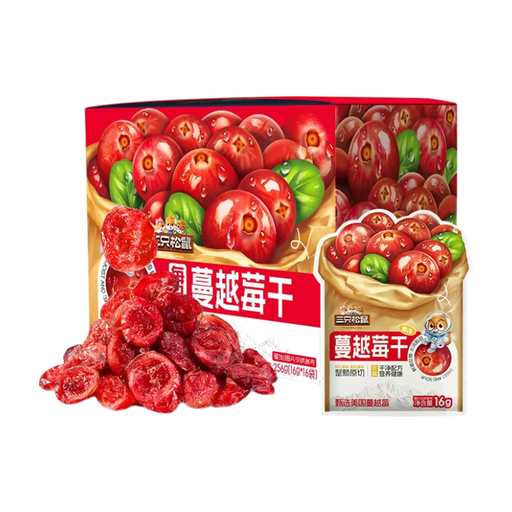
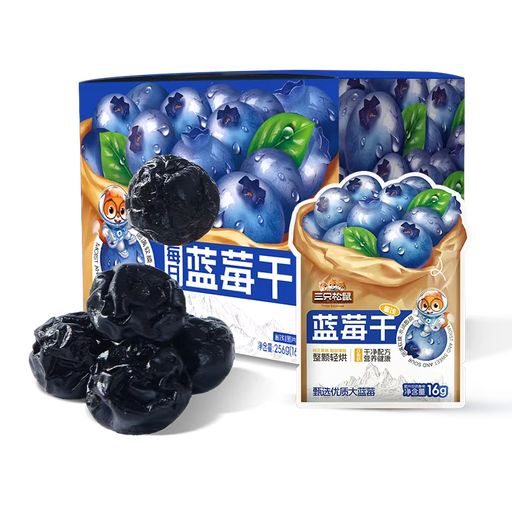
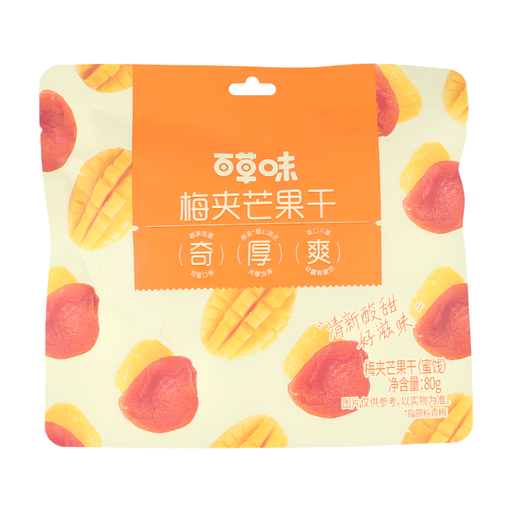
These individually packed cranberry, blueberry and mango-with-plum options can be considered when you want a small dried-fruit addition to a school lunch. Check each pack’s ingredients and portion weight; they are not the plain 14g raisin boxes discussed above.
 No image available
The individual packs can go into a lunchbox without dividing the multipack. Each is 16g, below the 30g of dried fruit the NHS counts as one 5 A Day portion. Check the physical pack’s ingredients, sugar information and allergen statement before packing it.
 No image available
This multipack offers individual blueberry packs for adding to lunch. At 16g each, they are smaller than the NHS 30g dried-fruit quantity for one 5 A Day portion. Check the physical pack’s ingredients, sugar information and allergen statement.
 No image available
The 12 small bags offer a ready-to-pack mango-and-plum option. If you are counting a 5 A Day portion, check the weight of an individual bag against the NHS 30g dried-fruit quantity; the 80g figure is for the whole pack. Read the physical pack’s ingredients and allergen statement.
Not on its own under NHS guidance, which counts 30g of dried fruit as one portion. A 14g box can be a smaller part of lunch alongside other fruit and vegetables.
Put it with lunch. The NHS advises eating dried fruit at mealtimes rather than between meals to reduce the risk of tooth decay.
Plain raisins are an option when the particular fruit-and-nut mix contains ingredients a child needs to avoid or the school restricts. This is an ingredient-and-policy decision, not a general nutrition ranking: Sainsbury’s lists raisins (99%) and sunflower oil in its mini boxes, while Whitworths also sells nut-based snacks. Check the exact pack and school policy.
Yes. Ingredients, nutrition and allergen information can change, so check the physical pack each time these details matter for the child’s lunch.