Parents comparing fat content
Plain fruit, fruit-and-nut mixes and coated fruit can have quite different nutrition labels. Compare like-for-like figures rather than assuming every dried-fruit snack meets the same low-fat aim.


There is usually no need to seek a specially labelled reduced-fat dried fruit for a school packed lunch: Tesco and Marks & Spencer listings show that plain raisins and dried apricots can already contain little fat. Compare sugars and ingredients as well as fat, choose a portion the child can manage, and check the school’s food policy. Fruit-and-nut mixes and coated fruit are different products, not interchangeable alternatives to plain dried fruit.
Plain fruit, fruit-and-nut mixes and coated fruit can have quite different nutrition labels. Compare like-for-like figures rather than assuming every dried-fruit snack meets the same low-fat aim.
Chelsea and Westminster Hospital NHS Foundation Trust advises limiting dried fruit because it contains sugar and can stick to teeth. Whether it is eaten with lunch or repeatedly as a separate snack matters alongside the pack choice.
Apricot products may list sulphur dioxide and warn that stones can remain; fruit-and-nut mixes introduce different allergens. Read the chosen pack and check the school’s packed-lunch and allergy policy.
Start with the type of fruit and its nutrition label, then check whether its ingredients, portion format and place in the lunch work for your child.
| Priority | What to check | Your needs |
|---|---|---|
| Fat and sugars | Compare fat and sugars per 100 g on the same basis. Read the ingredients to distinguish plain fruit from nuts or coatings. | I want to limit fat without overlooking sugars. Tesco lists Whitworths Sunny Raisins at 1.0 g fat and 62.6 g sugars per 100 g; Marks & Spencer lists its Fruit and Nuts mix at 29.5 g fat per 100 g. |
| Eating routine | Consider whether the fruit will be eaten with lunch or offered repeatedly between meals. Chelsea and Westminster Hospital NHS Foundation Trust advises limiting dried fruit because it is sugary and can stick to teeth. | If I pack dried fruit, I want it eaten as part of lunch rather than handed out in several separate portions. |
| Ingredients and warnings | Read the allergen declaration and warnings on the actual pack. Check for sulphites in apricots, nuts in mixes and any warning that stones may remain. | I need a fruit and format that fit my child’s requirements and the school’s policy; a familiar-looking dried-fruit pack is not enough to establish that. |
| Portion format | Check the pack size and whether portions are individually packed or need dividing at home. Use the labelled serving information to compare products, not as a universal target. | A smaller pack may be easier for me to put in a lunchbox; with a larger bag, I can decide how much to pack. |
| The whole lunch | Consider the dried fruit alongside the other food and drink packed. One fruit component does not establish the nutritional quality of the whole lunch. | I want the snack decision to make sense with everything else my child will eat at lunchtime. |
A product can contain little fat while still containing substantial sugars. Tesco lists Whitworths Sunny Raisins at 1.0 g fat and 62.6 g sugars per 100 g; Sainsbury’s lists 22.2 g sugars per 30 g serving of its mixed dried fruit.
Compare both figures using the same label basis, then consider how much fruit you intend to put in the lunch.
Marks & Spencer lists 0.4 g fat per 100 g for its raisins, compared with 29.5 g for its Fruit and Nuts mix and 17.8 g for its chocolate-coated raisins. The mix also contains nuts.
For a plain-fruit choice, read the product name and ingredients rather than relying on its place in the dried-fruit aisle. Check the school’s rules before packing a nut-containing mix.
Chelsea and Westminster Hospital NHS Foundation Trust advises limiting dried fruit because its sugar and sticky texture matter for teeth. A low-fat label does not address that consideration.
If including dried fruit, put it with the lunch meal rather than supplying repeated portions as separate snacks.
Tesco and Sainsbury’s listings for Whitworths apricots include sulphur dioxide and warn that stones may remain. Those details affect which product and format to pack.
Check the current physical pack’s ingredients, allergen declaration and warnings, particularly when switching products or buying for a child with a relevant restriction.
These labelled products illustrate differences worth checking; the figures describe the named products, not everything sold under each brand.
The cited Whitworths products include portioned raisins and dried apricots, giving parents different formats to compare.
Sainsbury’s lists both mini snack raisins and mixed dried fruit; pack format alone does not tell you whether their ingredients or nutrition are comparable.
Marks & Spencer’s cited listings show why plain raisins, fruit-and-nut mixes and coated raisins need separate label checks.
These options include prunes, red dates, raisins and apricots for consideration as packed-lunch components. They are different fruits and pack formats, so check each product’s current nutrition label, ingredients and warnings rather than treating them as interchangeable.
 No image available
These pitted prunes offer a different fruit from the raisins and apricots discussed above. Check the pack’s fat, sugars and serving information before deciding how much to include with lunch.
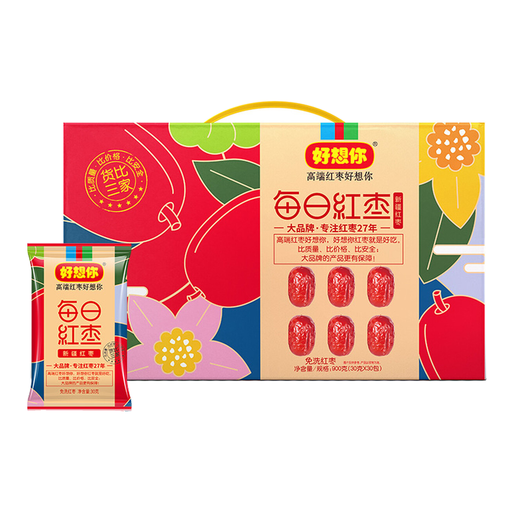 No image available
The 30 g sachets provide an individually packed format for lunch. These red dates contain pits, so check whether they are appropriate for the child’s age and eating ability before packing them; they are not a substitute for pitted fruit.
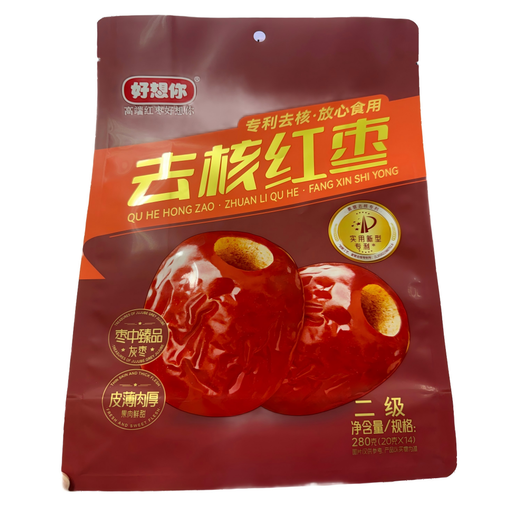 No image available
Choose between these pitted red dates and the sachets of dates with pits by considering both the fruit format and how you will pack a portion. This is a 280 g pack; check its nutrition label and current warnings before use.
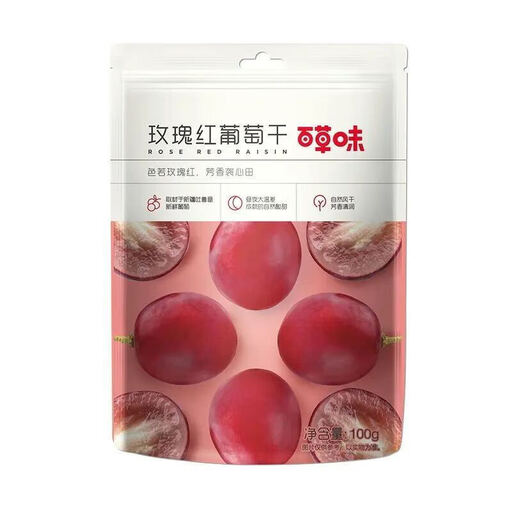 No image available
These raisins are a plain-fruit format to compare with mixes or coated snacks. The 100 g pack can be divided when preparing lunch; read its own fat and sugars figures rather than applying figures from another brand’s raisins.
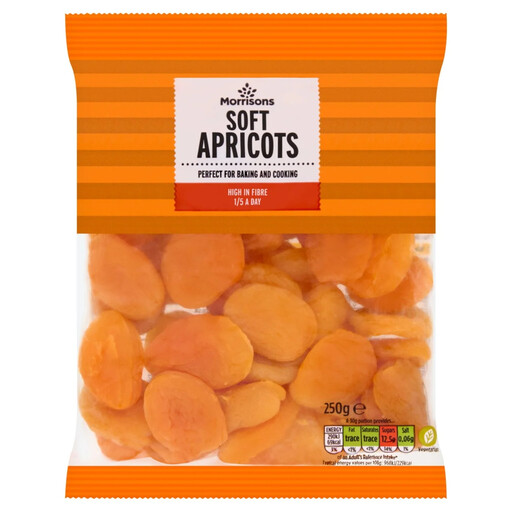 No image available
Soft apricots offer another fruit choice for a packed lunch. Check this pack’s ingredients for sulphites and its warnings about possible stones, as well as its fat and sugars figures, before deciding whether it suits the child.
Usually not if your aim is simply to choose a fruit product with little fat. Tesco lists Whitworths Sunny Raisins at 1.0 g fat per 100 g and Whitworths Chopped Apricots at 0.6 g per 100 g, while Marks & Spencer lists its raisins at 0.4 g per 100 g. Check sugars and ingredients too; a low fat figure does not describe the whole product.
If you include it, consider packing it to eat with lunch rather than offering repeated portions between meals. Chelsea and Westminster Hospital NHS Foundation Trust advises limiting dried fruit because it is high in sugar and can stick to teeth; its dental advice also identifies water and milk as drink options.
England’s school food standards, as described by the Department for Education, concern food and drink provided to pupils by state-funded schools; they are not, by themselves, an approved list for food packed at home. Check your school’s own packed-lunch and allergy policy, particularly before including nuts.
Read the ingredients, allergen declaration and physical warnings as well as fat and sugars per 100 g. Tesco and Sainsbury’s listings for Whitworths apricots include sulphur dioxide and warn that stones may remain; Marks & Spencer’s cited Fruit and Nuts mix contains cashew, pecan and pistachio nuts.
Check the physical pack each time the information affects your choice, especially for an allergy or ingredient restriction. Product details can change, and the current pack is the one you are putting in the lunchbox.