
24/7 Customer Support

Free returns

Same-day & Next-day Delivery

Quality Guaranteed

Unlock Your Welcome Offers: FREE Delivery | Up to 80% OFF | Free 30-day JoyPlus trial
Download the APP
Dried fruit snacks are convenient for work bags, lunch boxes, travel and pantry cooking. However, a colourful packet does not always mean a simple ingredient list or good value. Fruit is often naturally sweet, but drying removes water and concentrates the carbohydrate and sugar content. Some products also include added sugar, syrups, preservatives, sweeteners, colours or flavourings.
The right choice depends on how you plan to use it. A small ready-to-eat fruit snack is suited to portion-controlled eating, while a larger bag of dried fruit may be more practical for baking, breakfast or Asian cooking ingredients.
A product may show mango, strawberries or hawthorn prominently on the front while the ingredients list also includes sugar, glucose syrup, maltose syrup or acidity regulators. Compare the ingredient list, not just the product image or front-of-pack wording.
For a simple natural dried fruit option, look for fruit listed as the only ingredient. Where sugar or syrup is included, treat the product as a sweet snack rather than an unsweetened dried fruit.
Nutrition tables are usually shown per 100g, although a small pack may contain considerably less. For example, Three Squirrels Freeze-Dried Figs list 64.7g of sugars per 100g, while the 40g pack contains a smaller practical serving. By contrast, some candied or sweetened Chinese dried fruit snacks list substantially higher sugar values.
A resealable family bag can offer better value, but it also makes it easy to eat several portions without noticing. Small packs or pre-portioned lunch-box snacks can make quantities easier to manage.
Preservatives and colourings are permitted food ingredients when used within relevant limits, but they may matter to your household. Dried strawberries and dried apples in this selection contain sulphites, while some hawthorn products contain sweeteners or colour E129. The product information warns that E129 may have an adverse effect on activity and attention in children.
Always check the current packet for allergens in bold, additives, storage instructions and any warning about stones or choking. Product formulations can change, so the packaging remains the final reference.
For natural dried fruit, prioritise a short ingredient list. Examples include:
A longer list is not automatically unsuitable, but it signals a different eating experience. Candied hawthorn, dried mango and assorted plum products may be intentionally sweet, sour or flavoured.
Drying methods create very different textures:
Check whether the product is ready to eat or requires cooking. This is particularly important when buying Chinese dried fruit snacks for soups, teas, desserts or braised dishes.
A 20g pouch is useful for a handbag, desk drawer or child’s lunch box, but the price per 100g may be higher. Larger packs, such as 500g dried prunes or red dates, suit frequent users and cooking households.
Most products should be kept in a cool, dry place away from sunlight and moisture. After opening, reseal the packet or transfer the contents to an airtight container. Soft apricots have more specific storage guidance, including refrigeration after opening and consumption within the stated period.
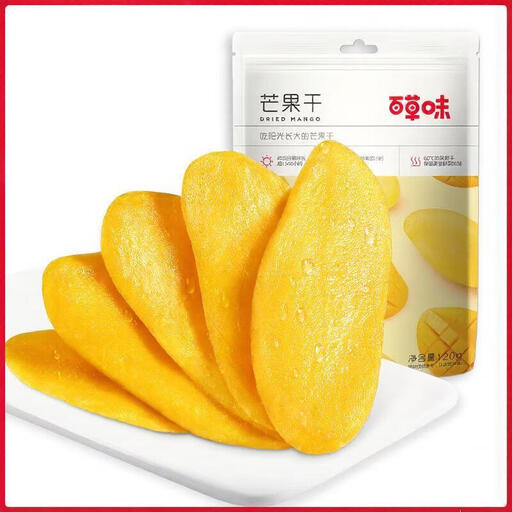
Why This Fits Their Persona: A mid-sized 120g bag offers a familiar, soft fruit snack for sharing, commuting or adding to a lunch box.
The ingredient list clearly identifies mango, sugar, citric acid and potassium sorbate, so shoppers can account for added sugar and preservatives.
Ready to eat, 120g net weight and no listed allergens.
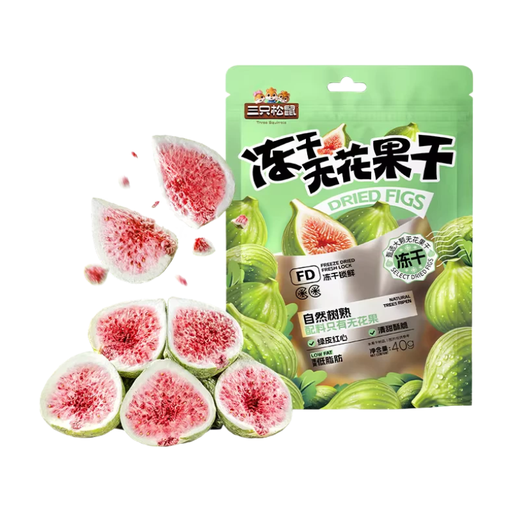
Why This Fits Their Persona: A compact option for shoppers seeking an uncomplicated fruit ingredient and a crisp texture rather than a soft, syrup-coated snack.
The listed ingredient is figs (100%), with no added sugar or preservatives stated in the product information.
40g portable pack, ready to eat, crispy texture and no listed allergens.
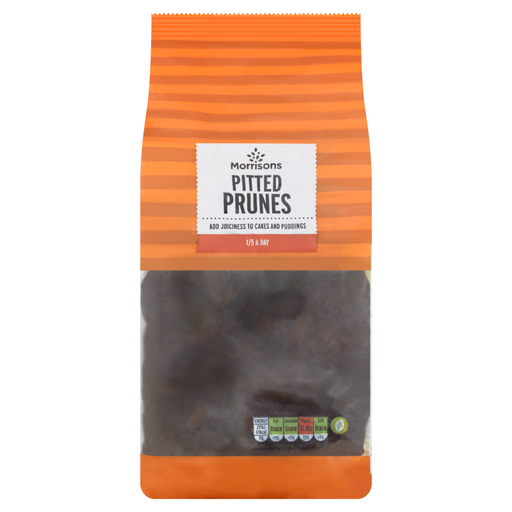
Why This Fits Their Persona: A larger pantry pack suits families and regular users who add dried fruit to porridge, yoghurt, baking or savoury dishes.
It is labelled as pitted prunes with no added sugar listed, while the product information still advises chewing carefully because small stone fragments may remain.
500g pack, ready to eat and suitable for both sweet and savoury recipes.
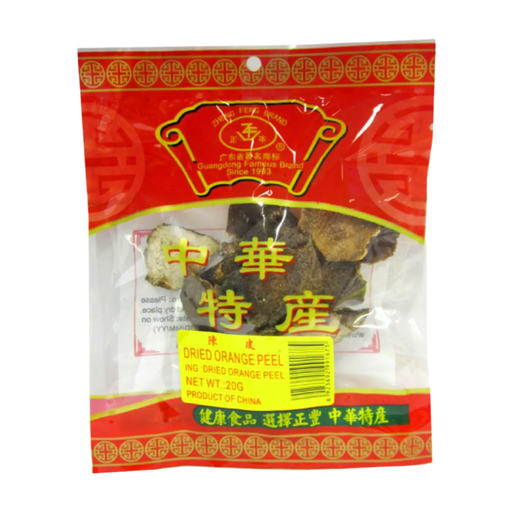
Why This Fits Their Persona: Designed for shoppers looking for a traditional Chinese ingredient for teas, soups, braised dishes and other recipes.
The product is clearly marked as cooking-required, helping prevent the mistake of treating dried peel as a ready-to-eat fruit snack.
100% dried mandarin peel and a compact 20g pack for occasional recipes.
We have compiled a complete, real-time list of products that fully satisfy these strict selection criteria and UK safety regulations.
Many are ready to eat and convenient for lunch boxes, but check the label for added sugar, sulphites, colours and age-related choking warnings. Small packs can help with portion planning. Avoid assuming that every dried fruit product is suitable for young children.
Most unopened products can be stored in a cool, dry cupboard. Once opened, reseal them to protect texture from moisture. Some softer products, including certain partially rehydrated apricots, may require refrigeration after opening, so follow the packet instructions.
No. Goji berries, dried red dates, dried longan, dried tangerine peel and some dried hawthorn products are also used in teas, soups, congee, desserts and other Asian recipes. Check whether the item is ready to eat or needs rinsing, soaking or cooking before use.