What should you check first?
Decide whether protein or a fruit-based format matters more. Then compare the portion you would serve and the warnings on that particular product.
| Priority |
What to check |
Your needs |
| Protein |
Compare protein per serving and per 100g on the same basis. For a high-protein claim, check the share of energy supplied by protein: Regulation (EC) No 1924/2006 sets a condition of at least 20%. |
If protein is my main aim, I need more than a fruit snack with a protein-containing ingredient. Sainsbury's lists 0.8g protein per serving for its Ready To Eat Apricots; Whitworths lists 7.9g per 100g for SHOTS Berries & Chocolate Clusters. |
| Sugars and timing |
Read sugars per serving as well as per 100g. Sainsbury's lists 10.9g sugars per serving for its apricots; Whitworths lists 56.3g per 100g for SHOTS. For toddlers, follow NHS advice to serve dried fruit with meals rather than between them. |
For a toddler's half-term outing, I would plan dried fruit as part of a meal, not assume it works as a between-meal snack. |
| Suitability |
Check ingredients and allergen statements on the current pack. Whitworths SHOTS contains milk and may contain peanuts, nuts and sesame; Sainsbury's apricots list sulphur dioxide. M&S warns that its Super Fruit Medley is not suitable for children under 36 months because of a potential choking hazard. |
I need the specific fruit or blend to suit the child eating it. A familiar-looking packet does not replace checking its age warning and ingredients. |
Relevant brand examples
These examples show why the choice depends on the particular product, not the brand name alone.
Whitworths
Its range includes plain dried fruit and mixed snacks. SHOTS Berries & Chocolate Clusters illustrates how adding milk-protein pieces changes both the protein figure and the ingredients to check.
- Whitworths lists 7.9g protein per 100g for SHOTS Berries & Chocolate Clusters.
- The same product lists 56.3g sugars per 100g, contains milk and may contain peanuts, nuts and sesame. Its calculated protein contribution is about 9.0% of energy, below the high-protein claim condition.
Sainsbury's
Ready To Eat Apricots are a dried-fruit example for shoppers comparing a fruit component with a protein-led snack.
- Sainsbury's lists 2.7g protein and 9.5g fibre per 100g for these apricots.
- The listed serving provides 0.8g protein. The ingredients include sulphur dioxide, which matters when checking sulphites on the current pack.
M&S
Super Fruit Medley is a mixed dried-fruit example rather than a basis for judging every M&S fruit product.
- M&S lists 3.2g protein per 100g for Super Fruit Medley, allowing a direct per-100g label comparison with the other checked examples.
- The product lists 58.3g sugars per 100g and is marked unsuitable for children under 36 months because of a potential choking hazard. Its page also carries nut, peanut and sesame suitability warnings.
Joybuy options for this decision
These options include dried fruit, a fruit-and-nut bar, fruit crispbread and a seed mix. Their formats serve different packing and serving plans; none should be assumed to meet a high-protein claim because it appears here.
 No image available
Nakd Peanut Delight 4 x 35g
A bar format to consider when packing portions rather than loose dried fruit. Check the current pack for peanut, hazelnut and other allergen information, and compare protein per bar rather than treating the format as a high-protein claim.
View on Joybuy
 No image available
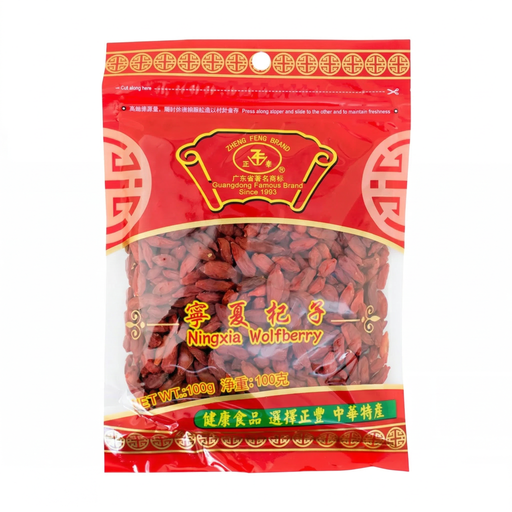
Zheng Feng NingXia Wolfberry 100g
A wolfberry option for a fruit-based component. Check the pack's washing and cooking directions before planning to serve it away from home; do not assume it is ready to eat from the bag.
View on Joybuy
 No image available
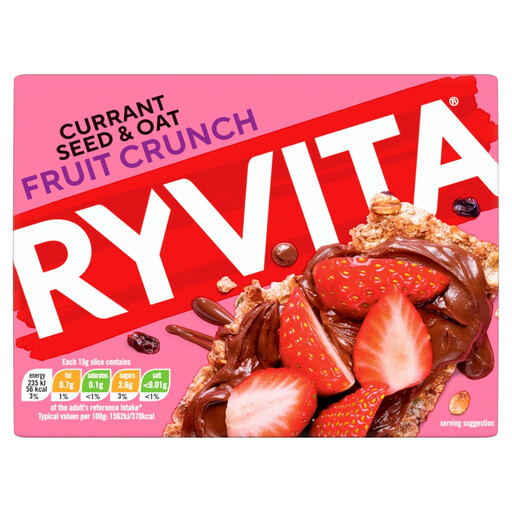
Ryvita Fruit Crunch 200g
A fruit-containing crispbread rather than a portion of plain dried fruit. Check the pack for rye, wheat and oats, plus any sesame warning, when choosing for someone with relevant dietary restrictions.
View on Joybuy
 No image available
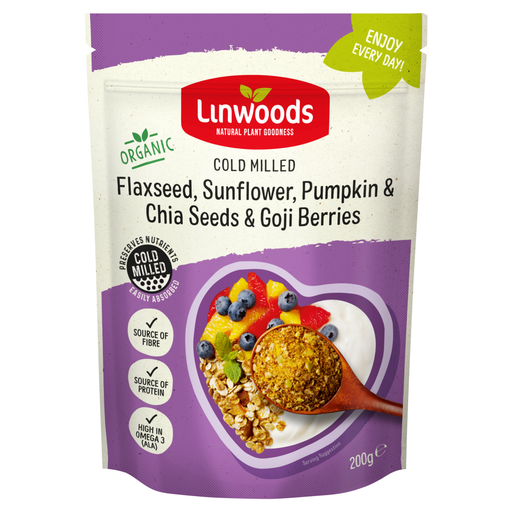
Linwoods Flaxseed, Sunflower, Pumpkin & Chia Seeds & Goji Berries 200g
A seed-and-goji mix to consider as an addition to food, rather than a stand-alone dried-fruit portion for an outing. Check the current pack for sesame, mustard, nut and soya warnings before serving it to a child.
View on Joybuy
 No image available
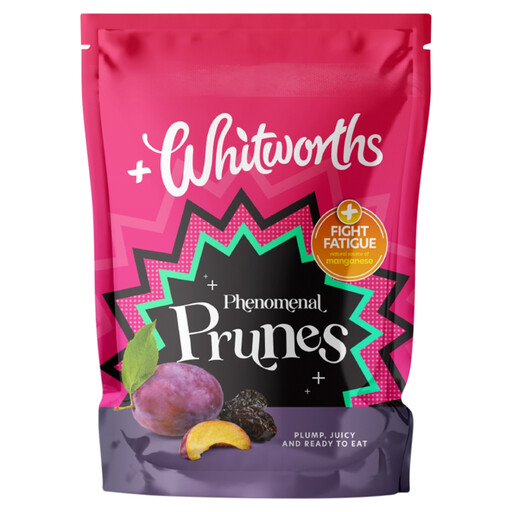
Whitworths Snacking Prunes 190g
A dried-fruit choice when a fruit component matters more than a high-protein claim. For toddlers, the NHS advises serving dried fruit with meals rather than as a between-meal snack.
View on Joybuy
Questions about dried-fruit snacks
Does containing protein make dried fruit “high protein”?
No. Regulation (EC) No 1924/2006 sets a condition of at least 20% of a food's energy coming from protein for a high-protein claim; the Department of Health and Social Care explains that relevant EU nutrition rules were retained in UK law from 1 January 2021. The checked Whitworths, M&S and Sainsbury's examples calculate to about 4.1% to 9.0%, so a protein figure on its own does not establish the claim.
Should toddlers eat dried fruit between meals?
The NHS advises giving toddlers dried fruit, such as raisins, with meals rather than as an in-between snack because its sugars can cause tooth decay. That is guidance for toddlers, not a statement that every dried-fruit product is unsuitable for every older child.
What should I read on the pack before a half-term outing?
Check the intended serving, protein and sugars, then read ingredients, allergens, preparation directions and age warnings. For example, Whitworths SHOTS contains milk, Sainsbury's Ready To Eat Apricots list sulphur dioxide, and M&S Super Fruit Medley carries a warning for children under 36 months.
Are fruit snacks with milk-protein pieces suitable for every child?
No. Protein-containing pieces change the ingredients and can introduce an allergen without making the snack high protein. Whitworths SHOTS Berries & Chocolate Clusters contains milk and may contain peanuts, nuts and sesame; check the current pack and portion before choosing it for a particular child.


