
24/7 Customer Support

Free returns

Same-day & Next-day Delivery

Quality Guaranteed

Unlock Your Welcome Offers: FREE Delivery | Up to 80% OFF | Free 30-day JoyPlus trial
Download the APP
Dried fruit snacks are useful for packed lunches, desk drawers, travel and quick additions to porridge or baking. However, the label “natural” does not always tell you how a product will fit your routine. Some packs contain added sugar, some fruit is still pitted and others are designed for cooking rather than eating straight from the packet.
Before choosing between dried red dates, jujubes, dried prunes, dried cranberries, dried mulberries, goji berries, raisins or hawthorn snacks, check three things: the ingredient list, the preparation instructions and the pack format.
Dried fruit naturally contains concentrated sugars because water has been removed. A product can therefore taste very sweet even when the ingredients list contains only fruit. Other products, such as dried cranberries and hawthorn snacks, may include sugar, syrup or sweeteners.
Check both:
For example, the J.ZAO Whole-Berry Dried Cranberries list cranberries, sugar and sunflower oil, while the Three Squirrels Dried Mulberries contain mulberries only. These are different products for different preferences, even though both are ready-to-eat fruit.
Some Chinese dried fruit is suitable for direct snacking, but other products need washing and cooking. This distinction matters when buying for a lunchbox or office drawer.
The HEYU Premium Jujube 800g, for instance, states that it must be rinsed and cooked before consumption. By contrast, pitted dried fruit such as ready-to-eat red dates or prunes is designed for opening and eating. Always read the usage instructions rather than relying on the product photograph.
“Whole fruit” does not necessarily mean “pitted”. Dates, jujubes and prunes may contain stones or small fragments, even when the main product is described as pitted. A pitted format is convenient, but packaging warnings still deserve attention.
Texture also varies considerably:
For a straightforward natural sweet snack, look for a short ingredient list. Products such as pitted red dates or dried mulberries may contain 100% fruit. Other options may include preservatives, fruit juice, oil, sugar, glucose syrup, acidity regulators or sweeteners.
Added ingredients are not automatically unsuitable, but they affect flavour, storage and dietary preferences. Those following a vegetarian diet should also check the allergen and ingredient information on the current pack.
Choose pitted dried fruit when convenience is the priority. It is practical for children’s lunchboxes, work snacks and travel, although young children should always be supervised when eating small or chewy foods.
For cooking, whole or sliced fruit can be useful. Dried red date slices work well in tea, porridge, baking and soups, while goji berries may be intended for cooking rather than eating straight from the bag. The Hua Hai Shun Da Premium Goji Berries specifically list cooking uses such as tea, porridge and soup.
A 100g pack can suit occasional snacking, while 400g to 900g formats are more suitable for regular households or cooking. Individually wrapped snacks can help with portability and portion planning, but compare the total weight and ingredient list before judging value.
Storage is equally important. Most dried fruit snacks should be kept sealed in a cool, dry place away from direct sunlight. Some moist products require refrigeration after opening, so check the label before putting them in a cupboard.
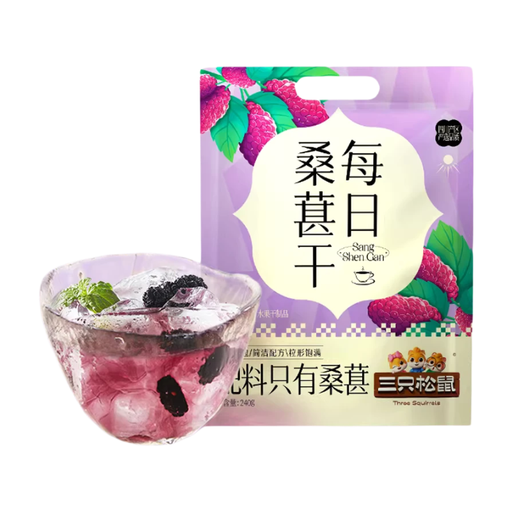
Why This Fits Their Persona: A medium-sized pack for shoppers wanting a simple dried fruit snack without committing to a large household format.
The listed ingredient is mulberries only, avoiding added sugar, syrup and oil in the supplied product information.
240g pack; ready to eat; suitable for yoghurt, oats, baking and tea.
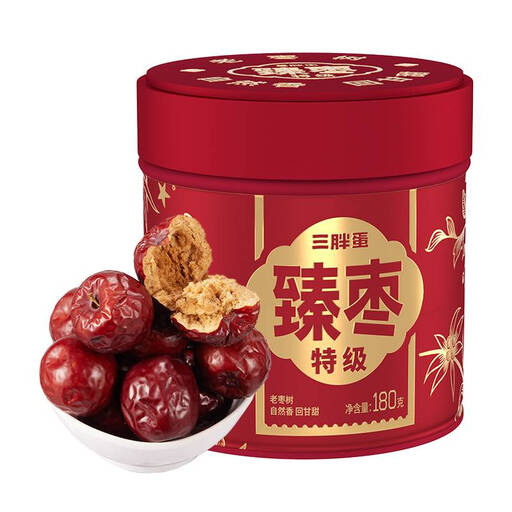
Why This Fits Their Persona: A compact Chinese dried fruit option for shoppers who value a pitted, sealed and ready-to-eat format.
The product details identify the jujubes as pitted and ready to eat, helping avoid preparation surprises.
180g can; no listed allergens; suitable for snacks, soups, tea and desserts.
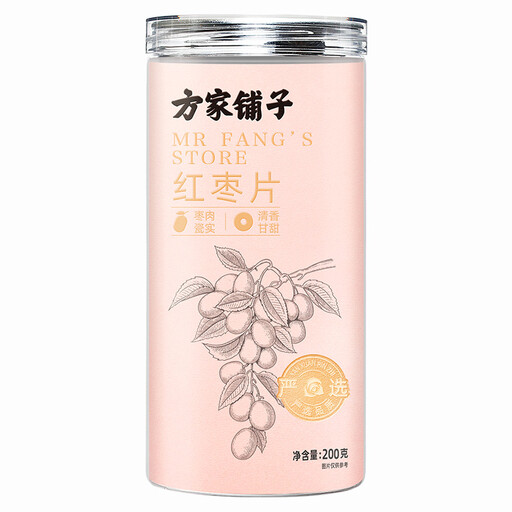
Why This Fits Their Persona: A practical choice for frequent users who prepare tea, porridge, soups, desserts or baked goods as well as snacks.
The sliced format removes the need to cut whole dates and the listed ingredient is dried red date slices only.
200g pack; ready to eat; convenient for tea, congee, soups and baking.

Why This Fits Their Persona: Individually wrapped snacks suit school bags, office drawers, travel and sharing without carrying the full pouch.
The prunes are pitted and individually packed; the ingredient list identifies plums and low-polymer isomaltose, so the product is not presented as plain fruit.
500g total weight; ready to eat; individual packaging for portable portioning.
We have compiled a complete, real-time list of products that fully satisfy these strict selection criteria and UK safety regulations.
Yes, ready-to-eat dried fruit can be convenient for lunchboxes, but check whether the product contains pits, sweeteners or allergen warnings. Individually wrapped snacks are easier to portion, while pitted formats reduce preparation at school or work. Follow age-appropriate food safety guidance and supervise young children with chewy or small foods.
It depends on the product. Shelf-stable dried prunes generally need a cool, dry cupboard while sealed. Prunes preserved in juice may require refrigeration after opening and should be consumed within the period stated on the packaging. Always follow the storage instructions for the specific product.
Dried red dates, jujubes, goji berries and red date slices are commonly used in tea, porridge, soups and desserts. Choose products labelled for cooking when required. Ready-to-eat fruit can also be added to recipes, but products such as the HEYU Premium Jujube should be washed and cooked rather than eaten raw.