For a lower-fat choice, compare plain dried fruit with fruit-and-nut or confectionery mixes using the fat figures per 100g and per serving. Ocado’s M&S product information lists less than 0.1g to 0.5g fat per 100g for three plain-fruit examples, compared with 29.5g per 100g for M&S Fruit & Nuts; the figures do not describe every product in either category. A morning tea break also raises a separate consideration: the NHS advises eating dried fruit at mealtimes rather than between meals to reduce tooth-decay risk.
Who should check the details?
Shoppers comparing fat content
If reduced fat is your main criterion, start with the nutrition panel rather than the words “dried fruit” on the front. Ocado’s M&S specifications show substantially different fat figures for plain-fruit products and a fruit-and-nut mix.
Shoppers checking ingredients and allergens
Fruit mixes can contain nuts, sweetened fruit, chocolate or sulphites. Check the ingredients and allergen statements on the exact pack, even when the product looks like plain fruit.
Shoppers planning a between-meal break
The NHS says dried fruit should be eaten at mealtimes rather than as a between-meal snack to reduce tooth-decay risk. That distinction matters if morning tea is separate from breakfast.
How do the dried-fruit options compare?
Plain dried fruit
Consider it: When fat content is the deciding product measure; Ocado lists less than 0.1g fat per 100g for M&S Soft Peach & Nectarine and 0.5g for M&S Orchard Fruits Medley.
Keep in mind: Both examples contain sulphites, and the NHS advises having dried fruit at mealtimes rather than between meals.
Fruit-and-nut mixes
Consider them: When you specifically want nuts in the mix and their ingredients meet your needs.
Keep in mind: Ocado lists 29.5g fat per 100g for M&S Fruit & Nuts, while Whitworths lists 23.6g per 100g for its 1DERS fruit-and-nut mix.
Sweetened or confectionery mixes
Consider them: When sweetened fruit or confectionery ingredients are what you intend to buy, rather than assuming the mix is plain fruit.
Keep in mind: Ocado lists sweetened fruit and candied peel in M&S Mixed Fruit with Cranberry & Apricot; Whitworths lists chocolate, biscuits or toffee in different Shots varieties.
Once you have chosen a format, compare the same nutrition measures on each pack and check whether its ingredients suit the break you have planned.
| Priority |
What to check |
Your needs |
| Fat content |
Compare fat per 100g across products, then check the stated serving size and its fat figure if given. Distinguish plain fruit from mixes containing nuts or confectionery. |
I’m choosing by fat content, so I want the figures for the particular pack rather than assuming every dried-fruit mix is alike. |
| Ingredients and sugars |
Read the ingredients for sweetened fruit, candied peel, chocolate or biscuits. Compare total sugars per 100g separately from any statement about added sugar. |
If I want a simpler fruit mix, I need to know whether sweetened or confectionery ingredients have been added. |
| Portion and timing |
Check the pack’s serving size. The NHS says 30g of dried fruit counts as one 5 A Day portion and advises eating it at mealtimes, not between meals, to reduce tooth-decay risk. |
My morning tea break may be separate from a meal, so a small pack does not resolve the NHS advice about when to eat dried fruit. |
| Allergens and sulphites |
Read the current ingredients, allergen declaration and any precautionary statement on the exact pack. The Food Standards Agency notes that sulphites are often used in dried fruit. |
Before buying, I need to check for ingredients or warnings relevant to my allergy, intolerance or sulphite sensitivity. |
What is easy to overlook?
-
Assuming every dried-fruit snack has little fat
Nuts change the comparison. Ocado lists 29.5g fat per 100g for M&S Fruit & Nuts, and Whitworths lists 23.6g per 100g for 1DERS; Ocado’s plain M&S fruit examples listed here range from less than 0.1g to 0.5g per 100g.
Compare fat per 100g first, then check the serving you would actually eat.
-
Treating dried fruit as a tooth-friendly between-meal swap
The NHS advises eating dried fruit at mealtimes rather than between meals to reduce tooth-decay risk. A tea break separate from breakfast falls on the between-meal side of that distinction.
If the timing matters to your choice, consider having dried fruit with a meal instead of relying on it as a separate snack.
-
Missing additions behind the word “fruit”
Ocado’s listing for M&S Mixed Fruit with Cranberry & Apricot includes sweetened fruit and candied peel. Whitworths lists chocolate, biscuits or toffee in different Shots varieties.
Read the ingredients and total-sugars and fat figures for the exact variety, rather than judging it by the category name.
-
Overlooking sulphites and allergen statements
The Food Standards Agency says sulphites are often used in dried fruit. Some of the M&S products listed by Ocado also declare sulphites or nuts, so a plain-fruit appearance is not an allergen check.
Use the current pack’s ingredients and allergen information, including any “may contain” statement, when those details affect your purchase.
Which brands provide useful comparisons?
M&S
Ocado’s M&S product listings provide examples of plain fruit, mixed fruit and fruit-and-nut formats that can be compared on the same per-100g basis.
- The listed fat figures range from less than 0.1g per 100g for Soft Peach & Nectarine to 29.5g for Fruit & Nuts.
- Ingredients differ by product; the listed examples include sulphites, sunflower oil or nuts.
Whitworths
Its documented 1DERS and Shots products illustrate why a portable fruit-containing snack needs its own ingredient and nutrition check.
- Whitworths lists 23.6g fat per 100g and peanuts in its 1DERS fruit-and-nut mix.
- Ingredients vary across Shots flavours and can include chocolate, biscuits, toffee and allergens.
Tesco
Tesco’s dried-fruit category lists formats including raisins, prunes, figs and dates, offering several types to compare by their individual labels.
- The category listing makes it possible to distinguish different fruit formats before checking a particular product.
- Tesco advises reading the current pack because ingredients, nutrition and allergen information can change.
Joybuy dried-fruit options
These Joybuy listings cover red dates, prunes, figs and freeze-dried fruit. For a lower-fat purchase, use each product’s current nutrition panel and ingredients to compare it with the mixes discussed above; the product name alone does not establish its fat content.
 No image available
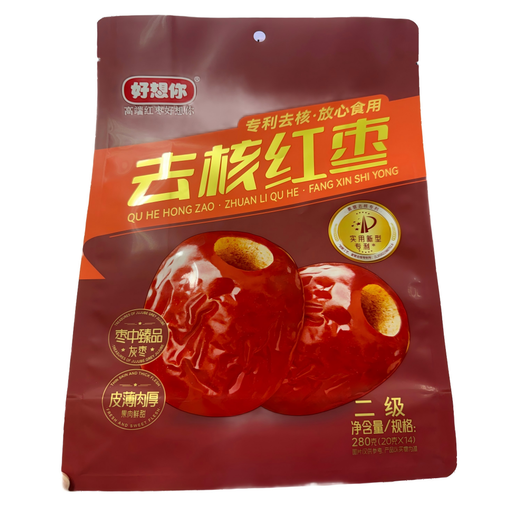
Haoxiangni Grade 2 Fresh-Locked Pitted Red Dates Original Flavour 280g
Pitted red dates are an option if you prefer that fruit for your break. This is the 280g Original Flavour pack; check its current fat figure per 100g and ingredients before comparing it with other dried fruit.
View on Joybuy
 No image available
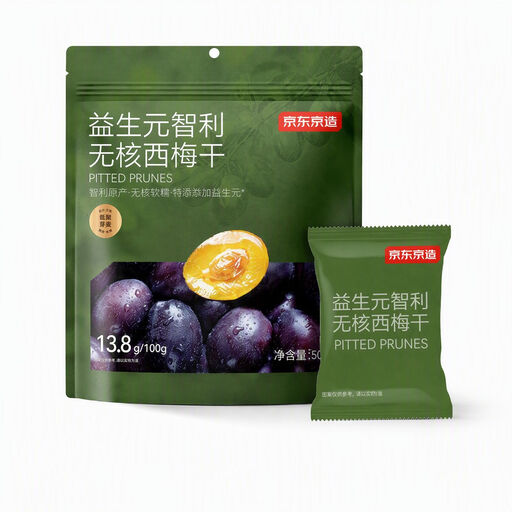
J.ZAO Pitted Chilean Prunes 500g
Consider these if pitted prunes are the fruit you want. For this 500g pack, compare the current nutrition panel and ingredients rather than relying on front-of-pack wording about sugar or other ingredients.
View on Joybuy
 No image available
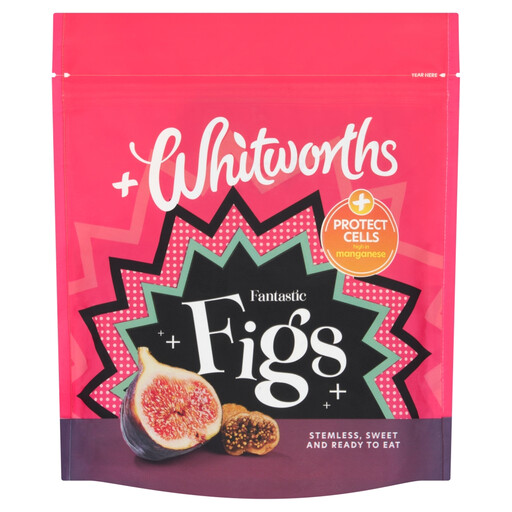
Whitworths Figs 175g
This 175g fig pack offers a different fruit to compare with dates or prunes. Check the pack’s fat figure, ingredients and allergen statement if those details determine your choice.
View on Joybuy
 No image available
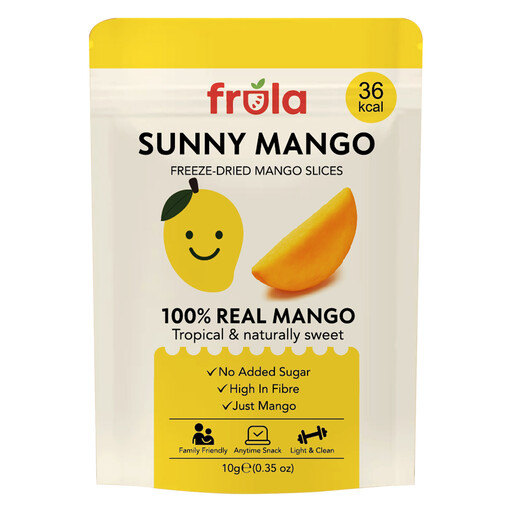
Frula Freeze-Dried Mango 10g
The 10g pack is a small format if you want freeze-dried mango at your break. Compare its per-100g nutrition figures with other formats as well as checking what is in the pack.
View on Joybuy
 No image available
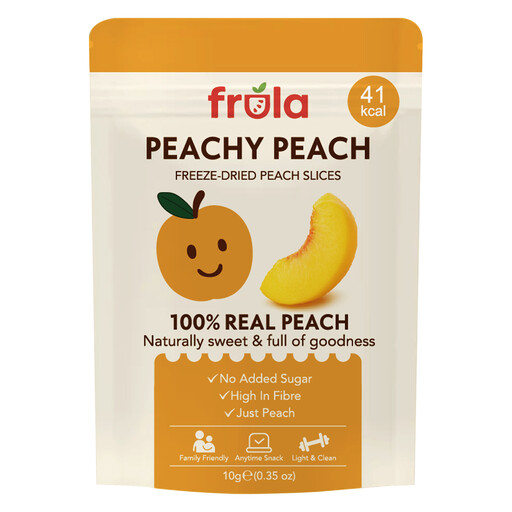
Frula Freeze-Dried Peach 10g
Choose this 10g format to compare freeze-dried peach with the other listed fruits. Check its current fat figure per 100g, ingredients and any allergen statement before deciding.
View on Joybuy
Questions about dried fruit at tea breaks
Should I look for “reduced fat” on a dried-fruit pack?
Compare the fat figures on the nutrition panel rather than relying on that phrase alone. Ocado’s M&S listings show less than 0.1g to 0.5g fat per 100g for three plain-fruit examples, whereas M&S Fruit & Nuts lists 29.5g per 100g. Check the serving figure too, if the pack provides one.
Does a 30g dried-fruit pack suit a break between meals?
A 30g portion counts as one 5 A Day portion according to the NHS, but the NHS advises eating dried fruit at mealtimes rather than between meals to reduce tooth-decay risk. Pack size does not change that advice if your tea break is separate from a meal.
What should I check for sulphites or other allergens?
Read the ingredients, allergen declaration and any “may contain” statement on the exact current pack. The Food Standards Agency says sulphites are often used in dried fruit, and the listed fruit-and-nut and confectionery mixes show why allergen checks must be product-specific.


