Who is choosing this snack?
The useful distinction is whether you chiefly want a stated amount of protein, dried fruit in the snack, or a format that fits your tea break.
Protein-focused tea-break shoppers
If protein is the main aim, compare the amount in the portion you would eat. A fruit-and-nut bar or a nut-and-seed snack can be worth comparing with dried fruit alone; check the ingredients if you also want dried fruit.
Shoppers who want dried fruit in the mix
Raisins, cranberries or apricots may be the reason you want the snack. A fruit-and-nut mix retains that choice while adding nuts or peanuts, but its protein and sugars still need checking per portion.
Shoppers checking sugars, timing or allergens
Check whether the fruit is sweetened and read the current pack’s ingredients and allergen statement. For a break between meals, the NHS advises having dried fruit at mealtimes instead to reduce tooth-decay risk.
What should you check before buying?
Start with the role of the snack: protein per portion, dried fruit in the ingredients, and whether the break is part of a meal. Then compare the pack you would actually eat, rather than relying on its front-of-pack description.
| Priority | What to check | Your needs |
|---|
| Protein per portion |
Read protein grams for the bar, pack or portion you plan to eat. Compare like-sized portions where possible; a per-100g figure answers a different question. |
I want to know what one tea-break portion provides. Sainsbury’s lists 10.4g protein per 40g Eat Natural fruit-and-nut bar; Tesco lists less than 0.1g per 30g of its sweetened dried cranberries. |
| Snack format |
Check whether the ingredients include dried fruit, nuts, peanuts, seeds or a protein ingredient. Distinguish a fruit-and-nut bar or mix from a nut-and-seed snack with no dried fruit. |
Dried fruit matters to me, so I would check for it in the ingredients before choosing a protein-focused snack. If protein matters more, a snack without dried fruit may still meet my buying aim. |
| Sugars and timing |
Read sugars per serving and look for sweetening ingredients. The NHS advises eating dried fruit at mealtimes rather than between meals to reduce tooth-decay risk. |
My tea break may be separate from breakfast. I would consider another snack for that break and keep dried fruit for a meal; Tesco lists 20.7g sugars per 30g of its sweetened cranberries. |
| Allergens |
Read the current pack’s ingredients, allergen statement and any may-contain warning, particularly for nut mixes and bars. |
I need a snack that fits the allergies relevant to my household, so a familiar product name is not enough to settle the choice. |
| Portion and packing |
Check the weight of an individual bar or pack against a larger bag or tin. Use that portion when reading its nutrition information. |
For a short break, I may prefer a single pack; with a larger container, I would decide how much to take before comparing portions. |
Brand examples to compare
These product examples show why the format and portion matter more than the brand name alone; they do not describe every product each brand makes.
Whitworths
Its 1DERS Energising Fruit and Nut Mix combines peanuts, raisins and sweetened dried cranberries.
- Whitworths lists 4.1g protein per 30g portion for this mix.
- The same portion lists 10.2g sugars and contains peanuts; check the pack for other allergen warnings.
Eat Natural
The Peanuts, Orange & Dark Chocolate Fruit & Nut Cereal Bar is a bar option that includes dried apricots.
- Sainsbury’s lists 10.4g protein per 40g bar, with peanuts, soya protein crispies and 7% dried apricots in the ingredients.
- It is a fruit-and-nut bar, not a portion of plain dried fruit; check the current pack for allergens.
Marks & Spencer
Its Fruit and Nuts mix contains raisins and several nuts; its separate Protein Packed Nut and Seed Mix takes a different route without dried fruit.
- Marks & Spencer lists 11.2g protein per 100g for Fruit and Nuts and 10g per 30g pack for Protein Packed Nut and Seed Mix. These figures use different serving bases.
- The nut-and-seed mix does not meet a preference for dried fruit. Read the allergen statement for either product.
Tesco
Tesco sweetened dried cranberries provide a useful comparison with snacks bought primarily for protein.
- The product lists less than 0.1g protein per 30g portion, making its protein contribution clear when comparing labels.
- The same portion lists 20.7g sugars; check the current pack when buying.
Joybuy snack options
These options include nut bars, a daily nut mix and larger packs of nuts. Compare their labels for the protein amount and portion you want; if dried fruit is essential, confirm it in the ingredients before choosing.
 No image available
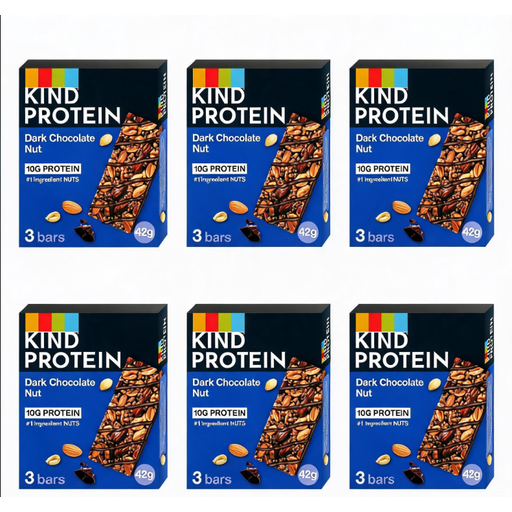
KIND Protein Dark Chocolate Nut Bars 3 x 42g x 6pcs
A bar format to consider when you want a separate snack for a tea break. Check protein per 42g bar and the current allergen label; this is a nut bar rather than a dried-fruit mix.
View on Joybuy
 No image available
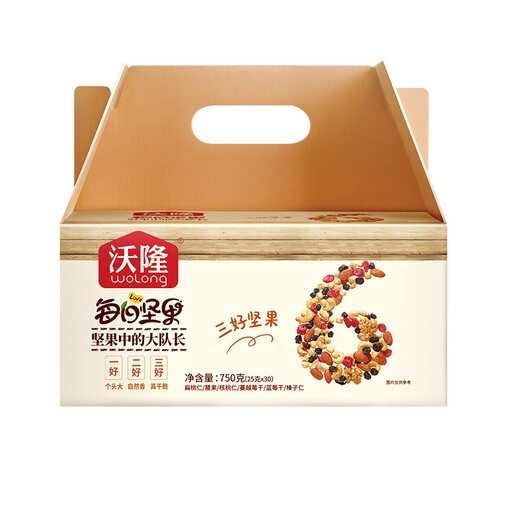
Wolong Daily Nuts Series A (Adult Version) 750g
Consider this daily nut mix if you want to check for dried fruit alongside nuts. The named pack is 750g; confirm its portion format, fruit ingredients, protein, sugars and allergens on the current label.
View on Joybuy
 No image available
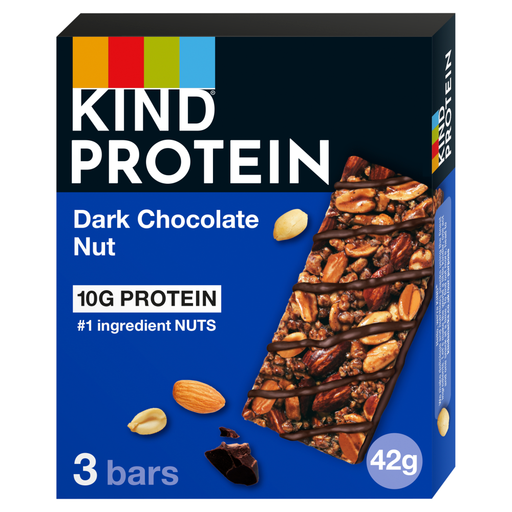
KIND Protein Dark Chocolate Nut Bars 3 x 42g
Another listed pack of dark-chocolate nut bars for a tea-break portion. Compare protein per 42g bar and check the ingredients if dried fruit is important to your choice.
View on Joybuy
 No image available
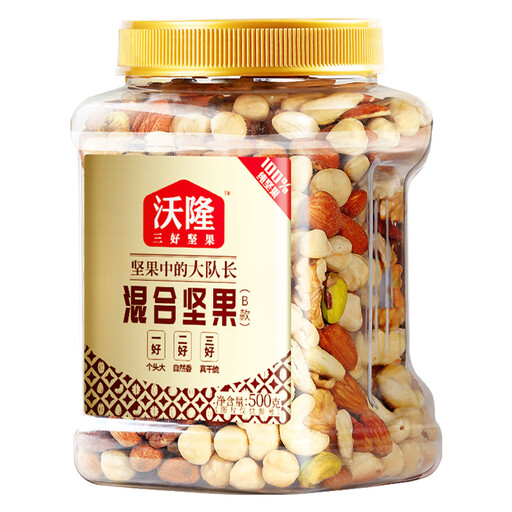
Wo Long Assorted Pure Nuts, 500g Tin
A nut-only option if dried fruit is not essential. The 500g tin is larger than a single tea-break portion, so decide how much you would take and read the nutrition and allergen information for that amount.
View on Joybuy
 No image available
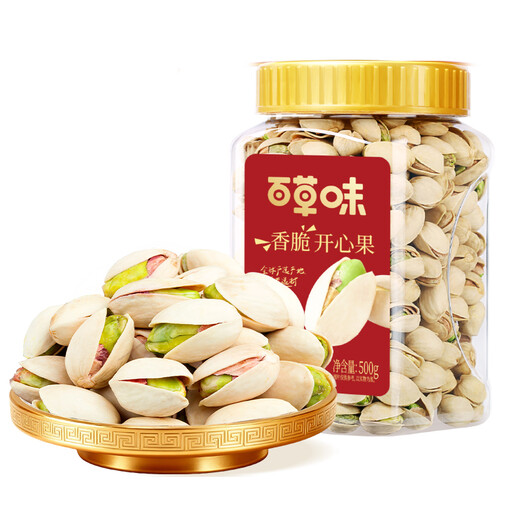
BE&CHEERY Pistachios 500g
Consider these if you want pistachios rather than dried fruit. The 500g pack is not a single tea-break portion; check the label for the amount you plan to eat and allow for shelling during a short break.
View on Joybuy
Questions about dried fruit and protein
Is dried fruit itself a protein-focused tea-break snack?
Do not assume it is: the amount depends on the product and portion. Tesco lists less than 0.1g protein per 30g of its sweetened dried cranberries. If protein is your main reason for buying, compare grams per pack or serving on the snacks you are considering.
Can I have dried fruit during a morning tea break?
If the break is part of a meal, it fits the NHS advice on timing. The NHS says a 30g portion of dried fruit counts as one of your 5 A Day, but advises eating dried fruit at mealtimes rather than between meals to reduce tooth-decay risk.
Which allergens should I check in fruit-and-nut snacks?
Check the ingredients and full allergen statement of the specific pack, including any may-contain warning. For example, the Eat Natural fruit-and-nut bar listed by Sainsbury’s contains peanuts and soya protein crispies; other bars and mixes can have different ingredients.
Should I use the product page or the pack to compare nutrition?
Use the current pack as your final check for its ingredients, protein per portion, sugars and allergens. That also lets you compare the portion you will actually eat, rather than confusing a per-100g figure with a whole bar or pack.


