What matters when choosing?
Start with when the food will be served. If dried fruit is for a meal, compare the ingredients and nutrition on the same serving basis before considering pack size.
| Priority |
What to check |
Your needs |
| Serving occasion |
For a between-meal snack, consider fresh fruit or vegetables prepared for the child. The NHS says dried fruit such as raisins should be served to toddlers with meals because its sugars can contribute to tooth decay. |
I’m choosing something for snack time, not an ingredient for breakfast or another meal. |
| Fat and sugars |
Read both declarations and keep the serving size beside each figure. Whitworths lists 0.1g fat and 9.3g sugars per 14g box of Sunny Raisins; Sainsbury’s lists less than 0.5g fat and 9.7g sugars per 14g serving of Mini Snack Raisins. These figures do not change the NHS meal-time advice. |
A low fat figure matters less to me than whether dried fruit fits the occasion when I plan to serve it. |
| Ingredients |
Check whether the pack contains plain dried fruit or additions such as candied peel. Sainsbury’s lists raisins and high-oleic sunflower oil in its seedless raisins, while its mixed dried fruit includes candied peel made with glucose-fructose syrup and sugar. |
When adding fruit to a meal, I want to know what is in the particular product rather than assume every dried-fruit mix is alike. |
| Preparation |
Adapt pieces and texture to the child’s age and eating ability, and supervise eating. Department for Education guidance says whole raisins and other whole dried fruits must not be given to babies under one; cut them into small pieces. |
I need food I can prepare appropriately for the child eating it, especially if they are under one. |
| Pack format |
Decide whether a small box or a larger bag suits the meal you are preparing. Check the stated serving size: a child-oriented pack is still subject to the NHS advice to serve dried fruit with meals, not between them. |
A mini box might be convenient for adding raisins to a meal, but I don’t want its packaging to make the snack-time decision for me. |
Brands to compare for meal-time use
These references help distinguish particular product types; they are not recommendations to serve dried fruit as a between-meal toddler snack.
Whitworths
Sunny Raisins are a portioned raisin option to compare when dried fruit is being used with a meal.
- Whitworths lists raisins (99%) and sunflower oil, with 0.1g fat and 9.3g sugars per 14g box.
- The small, child-oriented pack does not change NHS advice to serve dried fruit to toddlers with meals rather than between them.
Sainsbury’s
Its mini raisin boxes, larger seedless-raisin pack and mixed dried fruit offer distinct formats and ingredient lists to compare.
- Sainsbury’s lists raisins (99%) and high-oleic sunflower oil in its Mini Snack Raisins; a 14g serving lists less than 0.5g fat and 9.7g sugars.
- Its mixed dried fruit includes candied peel made with glucose-fructose syrup and sugar, so check the particular pack rather than treating the range as interchangeable.
M&S
The M&S fruit-snack range includes dried fruit alongside fruit-and-nut mixes and chocolate-coated raisins.
- The named product types give shoppers different ingredient combinations to compare for meal use.
- Check the ingredients and allergen information on the exact product; a range listing does not establish whether an individual item is suitable for a child.
Joybuy options for snacks and meals
The first option is an apple purée pouch for those considering a different between-meal format; it is not the same as fresh fruit. The remaining options are dried fruits to consider for use with meals, in line with NHS advice for toddlers.
 No image available
Ella’s Kitchen Apples 4+ Months 70g
An apple purée option if you are considering a pouch rather than dried fruit for between-meal use. Check the pack’s serving directions; keep the cap out of reach of children under 36 months.
View on Joybuy
 No image available
Organix Goodies Raisins 12+ Months, 12 × 14g
Mini boxes can be used to portion raisins into a meal. Despite the snack-oriented name, NHS advice is to give toddlers dried fruit with meals rather than between them; supervise eating and adapt pieces to the child’s ability.
View on Joybuy
 No image available
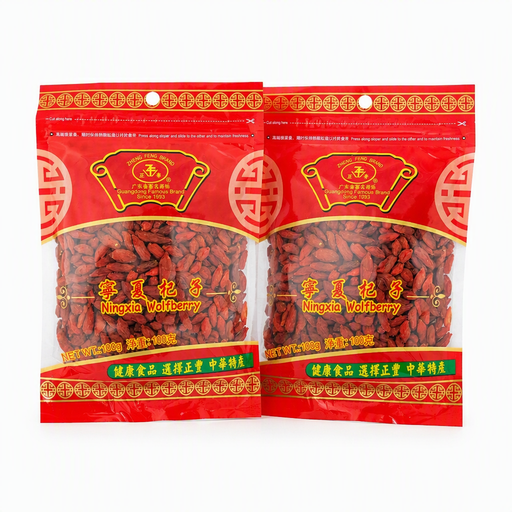
Zheng Feng NingXia Wolfberry 100g ×2
A dried-fruit ingredient to consider for a cooked meal rather than a ready-to-eat toddler snack. Wash and cook it before use, and prepare the finished food for the child’s age and eating ability.
View on Joybuy
 No image available
J.ZAO Prebiotic Pitted Chilean Prunes 500g
Pitted prunes are another dried-fruit option for a meal, not a between-meal toddler snack. Chop them into pieces appropriate for the child before serving; the product name’s “prebiotic” wording is not a reason to assume a benefit.
View on Joybuy
Questions about dried fruit for toddlers
Should I choose dried fruit by its fat content?
No—not for deciding whether it belongs at toddler snack time. Whitworths and Sainsbury’s list little fat in the named plain-raisin servings, but both also list sugars. The NHS advises serving dried fruit to toddlers with meals rather than between them because its sugars can contribute to tooth decay.
Can a toddler have raisins or other dried fruit?
Dried fruit can be served with a toddler’s meal rather than as a between-meal snack, following NHS advice. Prepare pieces for the child’s eating ability and supervise them. Department for Education guidance says babies under one must not be given whole raisins or other whole dried fruits; cut them into small pieces.
What should I read on a dried-fruit pack?
Check the ingredients and compare sugars using the stated serving sizes, as well as reading the fat declaration. For example, Sainsbury’s seedless raisins list raisins and high-oleic sunflower oil, while its mixed dried fruit includes candied peel containing glucose-fructose syrup and sugar. If allergies are relevant, check the exact pack’s allergen information.
What can I offer between meals instead?
The NHS recommends fresh fruit and vegetables as children’s snack choices. Prepare the particular food for the child’s age and eating ability, and supervise eating; a fruit purée pouch is a different format, not a reason to treat dried fruit as equivalent to fresh fruit at snack time.


