Parents managing a diagnosed food allergy
Match the child’s particular allergen to the ingredients and any precautionary statement on the current pack. “Natural”, vegan and short-ingredient wording cannot establish suitability for every allergy.


Choose dried fruit for a toddler by checking the current pack against the particular allergen they must avoid; a short ingredient list is not a universal free-from assurance. Pack size can make portioning easier, but the child’s ability to manage the texture, any stalk or pit warning, and seated adult supervision matter too. Public Health England’s early-years guidance advises against offering sugary foods, including dried fruit, between meals.
Match the child’s particular allergen to the ingredients and any precautionary statement on the current pack. “Natural”, vegan and short-ingredient wording cannot establish suitability for every allergy.
Individual packs can simplify portioning, but they do not tell you whether the fruit’s size and texture suit your toddler. Follow NHS advice to have young children sit upright and supervise them while they eat.
Check each variety separately. Some dried-fruit mixes declare sulphur dioxide, while a product may also carry a precautionary statement for nuts, peanuts or sesame.
Start with the child’s allergy requirement, then check whether the particular fruit and pack can be served appropriately at snack time.
| Priority | What to check | Your needs |
|---|---|---|
| Specific allergens | Read the current pack’s ingredients and any precautionary statement. Check the exact product and flavour rather than relying on a general free-from description. | I need to compare the label with the particular allergen my child must avoid, not assume a simple recipe suits every allergy. |
| Sulphites | Look for sulphur dioxide or sulphites on each pack. Tesco Groceries lists sulphur dioxide in Whitworths Sunny Fruit Mix-Ups; Ocado lists it in M&S Collection Ruby Raisins. | If sulphites are relevant to my child, I need to check a fruit mix separately from plain raisins, even when both come from a familiar brand. |
| Texture and hazards | Assess size, shape and texture for the child’s chewing ability. Inspect portions for stalks or pits where the product carries a warning, and follow NHS advice on upright seating and supervision. | My toddler needs a portion they can manage while seated with an adult present; a small pack does not settle that question. |
| Pack format | Compare individual packs with a shared bag, and check the stated pack size. Tesco Groceries lists Whitworths Sunny Raisins as 12 × 14 g; a shared pack needs portioning before serving. | Individual boxes may make serving simpler for me, while a larger bag means I will prepare each portion myself. |
| Snack timing | Read “no added sugar” alongside the nutrition panel rather than interpreting it as sugar-free. Consider how often dried fruit is offered: Public Health England’s early-years guidance advises against sugary foods, including dried fruit, between meals. | I do not want a portion-pack or no-added-sugar claim to stand in for a decision about when and how often to offer the snack. |
A dried-fruit product can avoid one ingredient yet contain another allergen or carry a relevant precautionary statement.
Start with the allergen your child must avoid, then check the ingredients and warnings on the exact current pack. Do not use “natural”, vegan or no-added-sugar wording as allergy clearance.
The Food Standards Agency notes that sulphur dioxide or sulphites are often used in dried fruit. Tesco Groceries lists sulphur dioxide in Whitworths Sunny Fruit Mix-Ups, so a plain-raisin label cannot stand in for that mix’s label.
If sulphites matter for your child, inspect each product and flavour separately before choosing it.
NHS guidance identifies size, shape and texture as choking considerations for young children. Tesco Groceries also warns that stalks may remain in Whitworths Sunny Raisins and occasional pits or partial pits may remain in Sunsweet Stoned Prunes.
Inspect and prepare the portion for your child’s chewing ability, keep them seated upright, and supervise them while they eat.
A pre-portioned pack changes how the fruit is served, not whether it contains sugars. Public Health England’s early-years guidance advises against offering sugary foods, including dried fruit, between meals.
Consider the snack’s timing and frequency as well as its pack size.
These examples illustrate why the particular product label matters more than a brand-wide assumption; inclusion here does not indicate that every product is available on Joybuy.
Tesco Groceries lists both portioned Sunny Raisins and Sunny Fruit Mix-Ups, but their ingredient declarations differ.
Tesco Groceries lists Sunsweet Stoned Prunes as a 500 g shared pack, rather than individual toddler portions.
Ocado’s M&S raisin listings show why one product’s ingredients should not be assumed for another.
Sainsbury’s provides allergen information for its own-brand products, while directing shoppers to current packaging.
These Joybuy options include individually packed raisins and mango alongside shared packs of raisins and dates. Compare each current pack with your child’s allergy requirements and check how you would prepare and serve the fruit.
 No image available
The 12 individual 14 g packs offer a pre-portioned raisin option. Check the current ingredients and allergen information, inspect the fruit, and serve it while your toddler is seated and supervised.
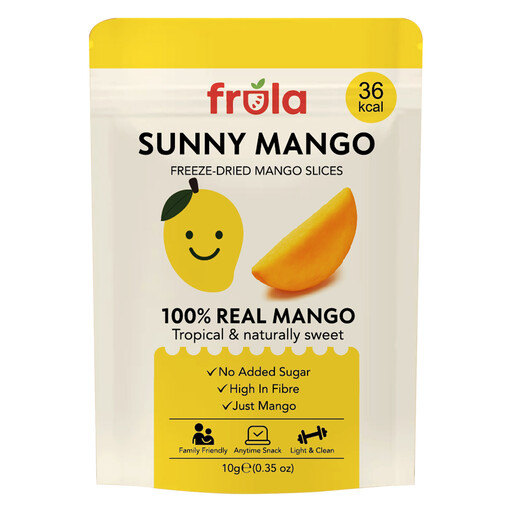 No image available
This 10 g freeze-dried mango pack is another small-pack fruit option. Assess its texture for your toddler, and check the current pack’s ingredients and allergen information before serving.
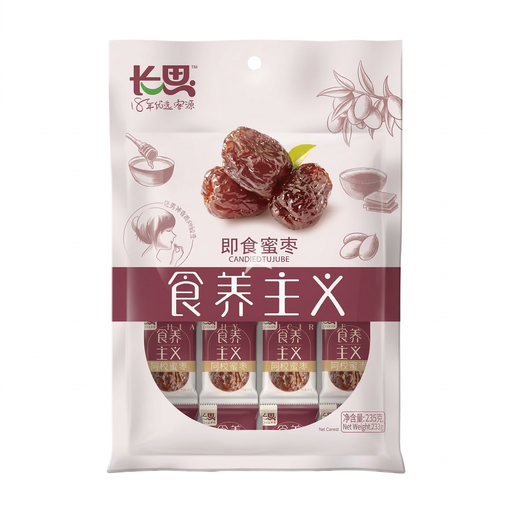 No image available
This 235 g dates pack needs portioning for toddler snack time. Check its current ingredients and allergen information, and inspect and prepare the fruit for the child’s chewing ability; take particular care with any pit warning on the pack.
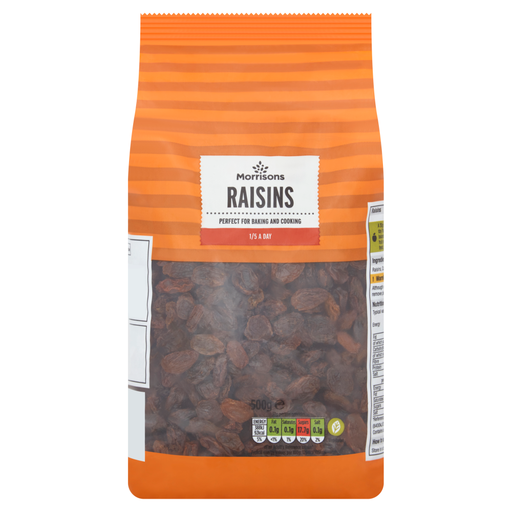 No image available
The 500 g bag is a shared-pack raisin option, so prepare a portion rather than handing over the bag. Check the current label for the relevant allergen and inspect the fruit before supervised serving.
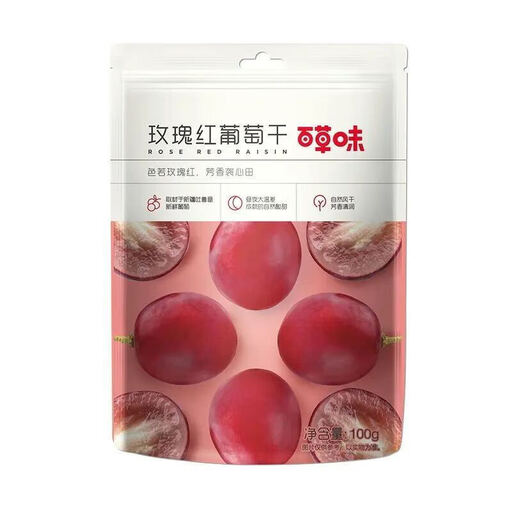 No image available
This 100 g raisin bag calls for preparing individual servings. Read the current ingredients and any precautionary allergen statement, then inspect the portion and supervise your toddler while they eat.
No. “No added sugar” does not mean sugar-free. Tesco Groceries lists 9.3 g sugars per 18 g serving for Whitworths Sunny Fruit Mix-Ups, which carries a no-added-sugar claim. Public Health England’s early-years guidance advises against offering sugary foods, including dried fruit, between meals.
No. Check the particular allergen your child must avoid against the current pack’s ingredients and any precautionary statement. A short ingredient list on an online listing does not establish suitability for every allergy, and Tesco Groceries warns that product information can change.
Consider the fruit’s size, shape and texture for your child’s chewing ability, inspect the portion, and keep them seated upright and supervised while eating, as NHS guidance advises. Take particular care with products warning that stalks or occasional pits may remain.
Yes, if sulphites are relevant to your child’s allergy or sensitivity. The Food Standards Agency notes their use in dried fruit; Tesco Groceries lists sulphur dioxide in Whitworths Sunny Fruit Mix-Ups, and Ocado lists sulphites in M&S Collection Ruby Raisins. Check each current pack separately.
Use a listing to narrow your options, then check the current physical pack before buying or serving. Tesco Groceries and Sainsbury’s both caution that ingredients or allergen information can change.