What should you check before buying?
Choose the fruit and pack format for its intended use first, then use the exact product label to plan portions and storage.
| Priority | What to check | Your needs |
|---|
| Portion planning |
Read the carbohydrate value per 100g and weigh the portion you intend to use. Tesco Groceries lists 62.6g available carbohydrate per 100g for its 1kg seedless raisins. |
I want to know how much fruit I am packing for a training session, rather than treating a handful as a fixed portion. |
| Texture and tolerance |
Check whether the fruit is dry, in juice, pitted or individually packed. Compare labelled fibre and polyols where relevant; Tesco Groceries lists 7.1g fibre and 15g polyols per 100g for Sunsweet Stoned Prunes. |
Will I be comfortable eating this portion at running pace? I would try it in training before making it part of a long-run plan. |
| Pack and storage |
Check the pack size, serving format and instructions after opening. Tesco Groceries advises an airtight container for its opened seedless raisins; its Sunsweet prune listing advises refrigeration for best quality. |
I need a pack I can portion and store as directed over the time I expect to use it. |
| Ingredients and allergens |
Read the ingredients and allergen declaration on the exact pack, especially when changing fruit or retailer. The Food Standards Agency notes that sulphur dioxide or sulphites are used in some dried fruits. |
A familiar-looking fruit is not enough: I want to check what is in this particular product before buying a large quantity. |
Joybuy product options
These options cover pitted prunes, portion-packed red dates, shelled chestnuts and prunes in juice. They differ from a dry 1kg raisin or sultana pack, so consider how you would portion, store and carry each format.
 No image available
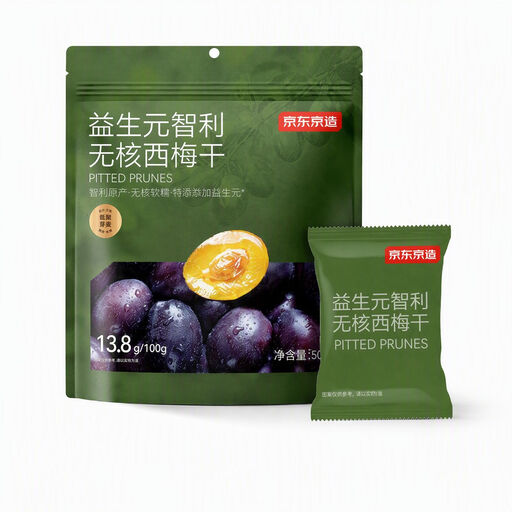
J.ZAO Pitted Chilean Prunes 500g, individually wrapped
The individually wrapped prunes offer a way to take out planned portions from a larger pack. The stated ingredients include isomaltose as well as fruit; check the current label and try your intended portion in training.
View on Joybuy
 No image available
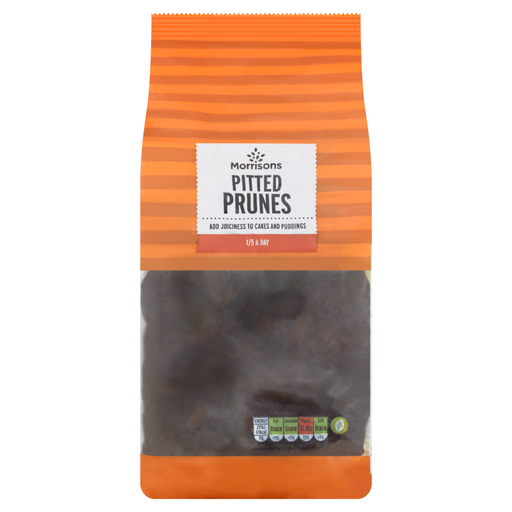
Morrisons Dried Pitted Prunes 500g
This dry 500g prune pack is an option for portioning at home before training. Although described as pitted, the product information warns that occasional stone fragments may remain; check each portion before eating.
View on Joybuy
 No image available
Hao Xiang Ni Ready-to-Eat Red Dates 900g (30 × 30g)
The separate 30g sachets make the pack straightforward to divide into planned portions. These red dates contain stones that must be removed before eating, so do not treat the sachet as a ready-to-eat portion while running.
View on Joybuy
 No image available
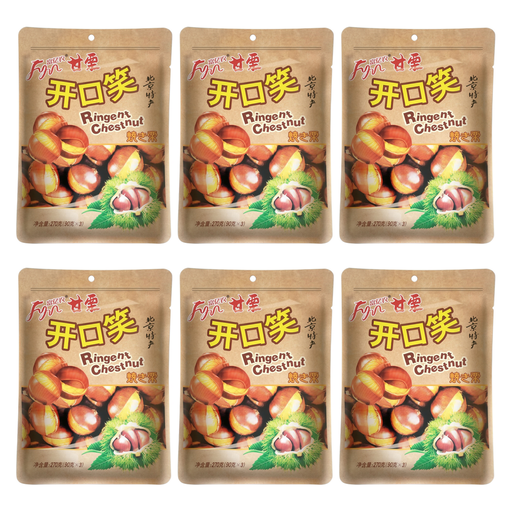
Fu Yi Nong Shelled Chestnuts 270g (includes 3 packs) × 6
Shelled chestnuts are a different food format from the raisins, dates and prunes discussed here. Check the packaging arrangement and nutrition label for the portion you intend to use, and try it during training rather than treating the foods as interchangeable.
View on Joybuy
 No image available
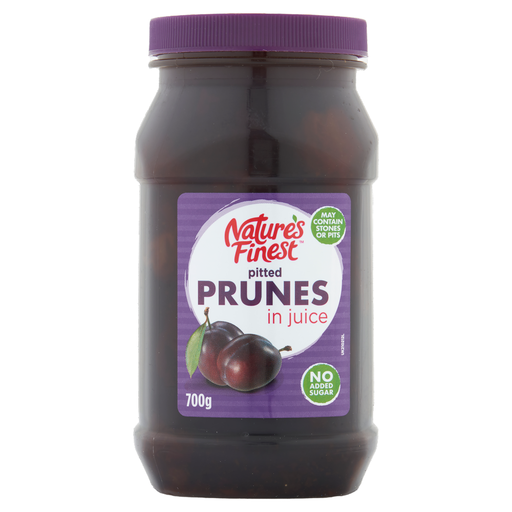
Natures Finest Juicy Pitted Prunes 700g
These prunes are packed in juice, making them a different carrying choice from dry fruit portions. The product information calls for refrigeration after opening and use within seven days; check that this fits how you plan to use a 700g pack.
View on Joybuy
Common questions
Is dried fruit enough for a marathon fuelling plan?
No. The UK Sports Institute includes dried fruit as a compact carbohydrate food, but that does not establish your total food or fluid plan. If you intend to eat it during a run, practise the fruit and portion in training and consider drinks separately.
How do raisins and prunes differ for training portions?
Compare the exact products rather than assuming all raisins or prunes have the same values. Tesco Groceries lists 62.6g available carbohydrate per 100g for its 1kg seedless raisins, while its checked Sunsweet Stoned Prunes list 7.1g fibre and 15g polyols per 100g. Try whichever portion you plan to eat during training before using it on a key run.
How should I work out a dried-fruit portion?
Use the carbohydrate value on your chosen pack’s nutrition label and the weight of the portion you plan to carry or serve. A pack’s suggested serving is a starting reference, not automatically the amount that fits your practised training plan.
How should I store a large pack after opening?
Follow the instructions for the exact product. Tesco Groceries advises storing its seedless raisins in a cool, dry place and an airtight container after opening, while its Sunsweet prune listing recommends refrigeration after opening for best quality.
Do I need to check dried fruit for sulphites?
Yes—read the ingredients and allergen declaration on each exact pack. The Food Standards Agency notes that sulphur dioxide or sulphites are used in some dried fruits and that people with asthma have a higher risk of reacting to sulphur dioxide. Do not assume a fruit type or brand has the same declaration across its products.


