Regular breakfast and baking users
If you use dried fruit several times a week in porridge, yoghurt or recipes, a larger pack may suit your routine. Check that you can store it as directed and use it while it remains in good condition.


For regular use, a 500g to 1kg dried-fruit pack makes sense if you can use it and follow its storage directions after opening. For a low-fat choice, compare fat figures on the same basis and read the ingredients rather than relying on pack size or the product name; the NHS says 30g of dried fruit counts as one 5 A Day portion and advises eating it at mealtimes.
If you use dried fruit several times a week in porridge, yoghurt or recipes, a larger pack may suit your routine. Check that you can store it as directed and use it while it remains in good condition.
Look at the nutrition panel for the particular pack, especially when choosing between plain dried fruit, mixed fruit and products with other ingredients. Compare per-100g figures where available rather than assuming similar names mean similar contents.
Read the current ingredients and allergen information for each product. The Food Standards Agency says sulphur dioxide and sulphites are used in some dried fruit and that people with asthma have a higher risk of reaction.
Start with the fruit and ingredients you want, then choose a pack size that fits how often you will use it.
| Priority | What to check | Your needs |
|---|---|---|
| Fat and ingredients | Compare fat per 100g where both packs provide it. Read the ingredients for oils, nuts, coatings and other additions. | I want dried fruit that fits my low-fat eating plan, without treating a fruit mix as identical to plain fruit. |
| Pack size and storage | Match the pack weight to how often you use that fruit. Check the storage directions, including what to do after opening. | A larger bag works for me only if I can store it properly and use it while it remains in good condition. |
| Portions and mealtimes | The NHS says 30g of dried fruit counts as one 5 A Day portion. It advises eating dried fruit at mealtimes rather than between meals to reduce tooth-decay risk. | I would rather measure a portion for breakfast or another meal than repeatedly eat from a large bag. |
| Sulphites and allergens | Read the current ingredients and product-specific allergen statements. The Food Standards Agency identifies sulphites as an ingredient used in some dried fruit. | If sulphites or other allergens matter to me, I need to check the particular pack, not just its fruit type. |
A larger bag needs suitable storage once opened. Tesco directs buyers of its 1kg mixed fruit to keep it in an airtight container after opening.
Choose a pack weight that fits your usual cooking or breakfast routine, and follow the directions on that pack.
M&S Mixed Dried Fruit lists sunflower oil, while Whitworths Mixed Fruit lists candied peel, a preservative and sunflower oil. Their ingredients differ from those of a single-fruit product.
Read the full ingredients list and compare nutrition figures on the same per-100g basis when fat content matters to your choice.
The NHS counts 30g of dried fruit as one 5 A Day portion and advises having dried fruit at mealtimes to reduce tooth-decay risk.
Measure the amount you plan to use and add it to a meal rather than repeatedly taking handfuls from the pack.
The Food Standards Agency says sulphites are used in some dried fruit and identifies a higher risk of reaction for people with asthma. Individual packs may carry other suitability statements.
Check the label of the product you receive, including its ingredients and allergen information, rather than relying on an earlier listing.
Tesco lists 1kg sultanas, seedless raisins, mixed fruit and ready-to-eat prunes, offering several fruit types in larger packs.
M&S lists 500g raisin and mixed-dried-fruit packs with ingredient and nutrition information.
Whitworths offers individual dried fruits and a Mixed Fruit product aimed at uses such as baking.
Sunsweet focuses on prunes and prune products, making it a relevant brand to consider if prunes are the fruit you use regularly.
These Joybuy options include prunes, red dates and longan in packs of 500g or more. Choose by the fruit you will use, the pack format and the current product label; the list does not establish which has the lowest fat content.
 No image available
This 500g pack is individually wrapped, which may suit someone who prefers separate portions. Check the weight of a wrapper against the NHS 30g dried-fruit portion for 5 A Day.
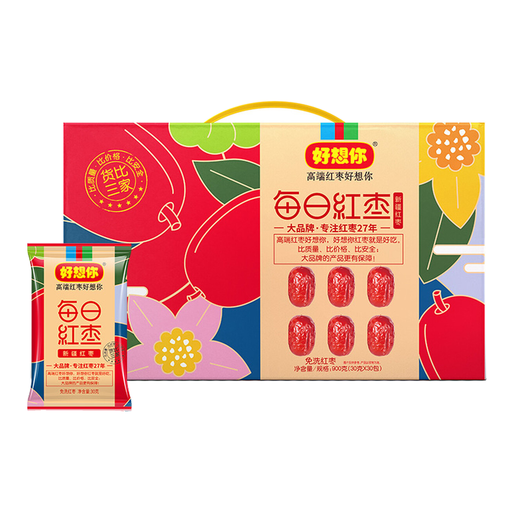 No image available
The 30g sachets offer a measured format for regular use. The dates contain pits, so remove them before eating or adding the fruit to a recipe.
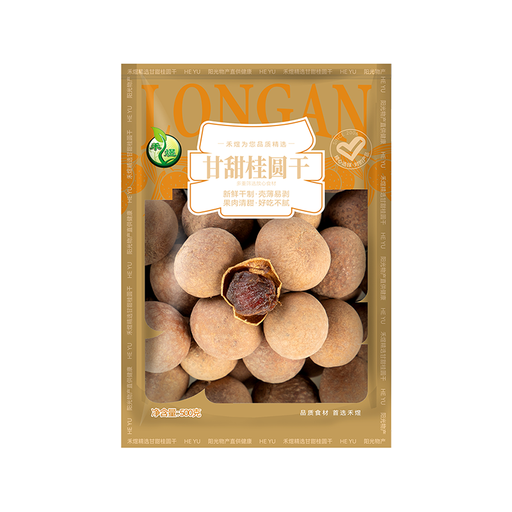 No image available
This 500g longan pack is an option for cooking rather than eating straight from the bag. Wash and cook the fruit before use.
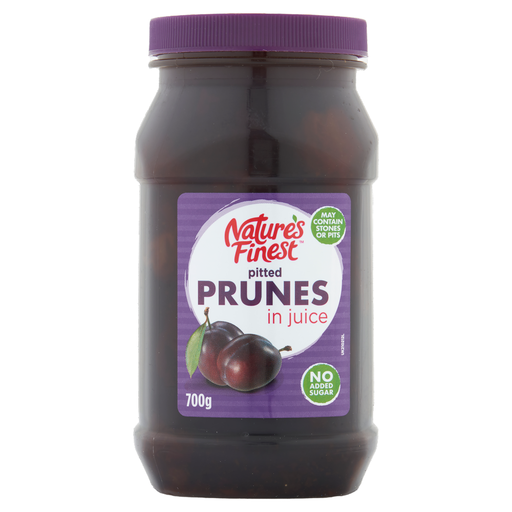 No image available
This 700g pitted-prune pack suits use across several meals or recipes. Measure out portions as needed and follow the pack’s storage directions after opening.
The NHS counts 30g of dried fruit as one 5 A Day portion. Buying a larger pack does not change that amount; measure a portion from the pack or check the weight of an individual sachet.
Yes, but use the nutrition panel for the exact product and compare figures on the same basis. Tesco lists 0.2g fat per 30g for its Wholefood Ready To Eat Prunes, while M&S lists 0.4g per 100g for its Mixed Dried Fruit; those serving bases should not be treated as directly equivalent.
The NHS advises eating dried fruit at mealtimes rather than as a between-meal snack to reduce the risk of tooth decay. A large pack can be divided into measured amounts for meals instead of eaten from throughout the day.
Check the current label if sulphites are relevant to you. The Food Standards Agency says sulphur dioxide and sulphites are used in some dried fruit and that people with asthma have a higher risk of reaction; also read any product-specific allergen statements.
Follow the directions on the particular pack. For example, Tesco says its 1kg mixed fruit should be stored in a cool, dry place and kept in an airtight container once opened; do not assume every dried fruit has the same storage instructions.