Regular exercisers using cupboard staples
A larger pack may suit you if dried fruit goes into meals such as porridge or yoghurt often enough for you to use it after opening.


A larger pack of plain raisins or sultanas makes sense if you regularly use dried fruit in post-workout meals and can use the pack after opening. Treat it as a carbohydrate component, not a complete recovery meal: Tesco lists 18.8g available carbohydrate but 0.9g protein per 30g of its Seedless Raisins, while UK Sports Institute guidance identifies fuel and hydration as separate recovery considerations.
A larger pack may suit you if dried fruit goes into meals such as porridge or yoghurt often enough for you to use it after opening.
Plain dried fruit can be one carbohydrate ingredient alongside a protein-containing food. The balance of the meal depends on what else you eat and when.
Pack format, serving size and the exact ingredient and allergen declaration matter when choosing between plain fruit and fruit-and-nut mixes.
Start with how you will use the fruit, then compare pack formats and the label on the exact product.
| Priority | What to check | Your needs |
|---|---|---|
| Meal components | Read carbohydrate and protein values for the same serving size. Tesco lists 18.8g available carbohydrate and 0.9g protein per 30g of its Seedless Raisins; UK Sports Institute guidance also considers hydration separately. | I want dried fruit in a post-workout meal that also includes a protein-containing food when I need both components. |
| Pack format | Compare pack weight with how often you will use it. Check the exact pack’s instructions for storage after opening. | A larger cupboard pack suits me if I will use it regularly; smaller packs or sachets may be easier to portion or carry. |
| Serving and timing | The NHS counts 30g of dried fruit as one 5 A Day portion and advises eating it at mealtimes rather than between meals to reduce tooth-decay risk. | I would rather measure out what I plan to eat than graze from a large bag. |
| Ingredients and allergens | Check the current ingredient and allergen declaration, particularly for sulphites in dried fruit and tree nuts in mixes. The Food Standards Agency notes that sulphites are often used in dried fruit. | If an ingredient or allergen matters to me, I need the declaration for the specific pack, not an assumption based on its category. |
Tesco Seedless Raisins contain 0.9g protein per 30g serving. UK Sports Institute guidance treats fuel and hydration as distinct recovery considerations.
If you are planning a meal with both carbohydrate and protein, choose the other food alongside the fruit and consider what you will drink.
A larger pack leaves more to store once opened, which may not suit occasional use.
Choose a quantity you expect to use and follow the storage instructions on that pack.
The NHS counts 30g of dried fruit as one 5 A Day portion and advises having dried fruit at mealtimes rather than between meals to reduce tooth-decay risk.
Decant the amount you intend to use and consider how it fits into a meal.
The Food Standards Agency notes that sulphites are often used in dried fruit; a fruit-and-nut mix can also contain tree nuts.
Read the ingredient and allergen declaration on the exact pack, especially where an allergy or sensitivity affects your choice.
These range examples help distinguish plain bulk fruit from mixed fruit and smaller formats; they do not indicate which lines are sold on Joybuy.
Tesco lists 1kg packs of both Seedless Raisins and Sultanas, providing two plain-fruit formats to compare.
Whitworths lists dried-fruit multipacks and fruit-and-nut formats alongside plain-fruit products.
M&S lists a 500g Mixed Dried Fruit product and a 1kg Turkish Sultanas option.
These options include larger packs of plain dried fruit and dried-fruit-and-nut mixes. Choose between them by fruit preference, pack format and the ingredients on the exact product.
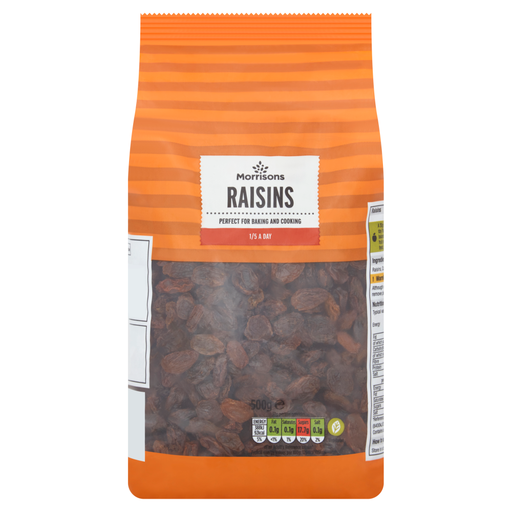 No image available
A 500g pack of plain raisins for use as a dried-fruit ingredient in meals. Check the pack’s ingredients and storage instructions before choosing it.
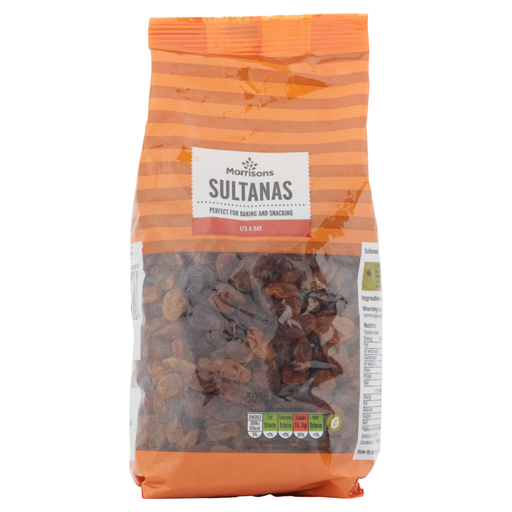 No image available
A 500g plain-fruit alternative if you prefer sultanas to raisins in a meal. Check the current label for ingredients and storage instructions.
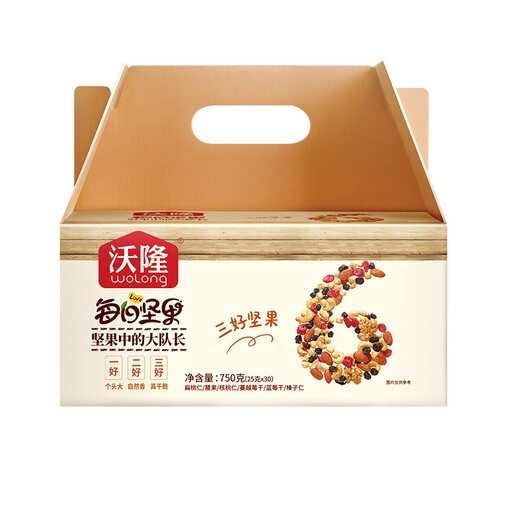 No image available
A 750g nut-mix option for shoppers considering a mixed format rather than plain fruit. Check its current fruit, nut and allergen declaration before choosing it.
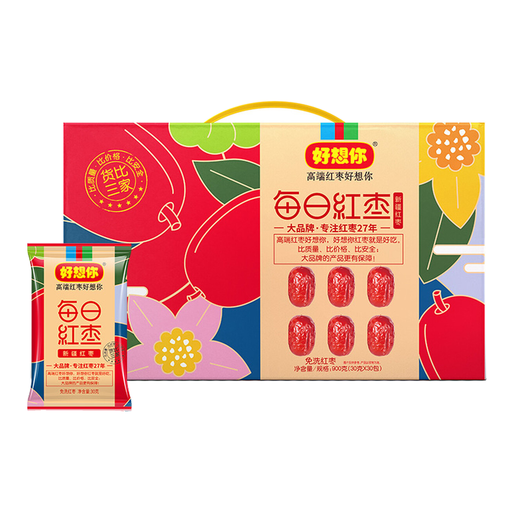 No image available
The 900 g quantity is divided into 30 g sachets, offering a portioned dried-fruit format. Check the pack instructions for how to prepare and eat the dates.
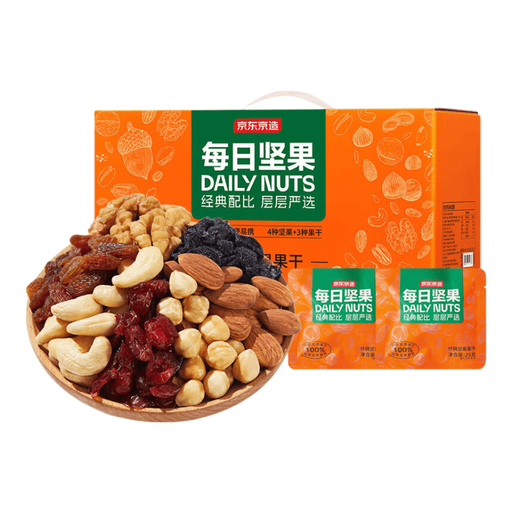 No image available
A nut-and-dried-fruit mix supplied in 30 sachets for shoppers who prefer separate portions. Read the exact ingredient and allergen declaration before choosing a mix.
Not if you are planning a meal with both carbohydrate and protein. Tesco lists 18.8g available carbohydrate and 0.9g protein per 30g of its Seedless Raisins; UK Sports Institute guidance also identifies hydration as a separate recovery consideration. Consider the rest of your meal, what you drink and when you will next eat.
A larger pack makes sense when you use dried fruit regularly and can store and use it after opening. Compare the quantity with your usual use, and follow the instructions on the particular pack.
The NHS counts 30g of dried fruit as one 5 A Day portion. It advises eating dried fruit at mealtimes rather than between meals to reduce tooth-decay risk.
Yes, if sulphites affect your choice. The Food Standards Agency notes that sulphur dioxide and sulphites are often used in dried fruit, including raisins, dried apricots and prunes; check the current declaration on the exact pack.
Follow the instructions on the pack you buy. For Tesco Seedless Raisins 1Kg, Tesco instructs shoppers to store them in a cool, dry place and transfer them to an airtight container once opened.