Regular users buying a pantry pack
A larger bag makes sense if you will use it within the pack’s storage guidance and are willing to measure portions yourself. Compare its price per kilogram and ingredients with smaller alternatives.


Choose a large dried-fruit bag if you will use it regularly and can portion and store it as directed; choose a multipack when a ready-sized portion matters more. Compare price per kilogram and ingredients before treating either as better value, and check allergens if you prefer a fruit-and-nut mix. The UK Sports Institute lists dried fruit as a compact carbohydrate option around exercise, but says pre-exercise eating time varies between people; the NHS advises eating dried fruit at mealtimes rather than grazing on it between meals to reduce tooth-decay risk.
How often you use the pack, and whether you need to carry a portion, can matter as much as its size.
A larger bag makes sense if you will use it within the pack’s storage guidance and are willing to measure portions yourself. Compare its price per kilogram and ingredients with smaller alternatives.
Individual packs are easier to put in a bag when measuring out dried fruit is inconvenient. Check the weight of each pack rather than assuming it provides the amount you want before training.
A mix offers a different combination of ingredients from dried fruit alone. Check the particular nuts, other declared allergens and nutrition panel, then consider whether its portion and timing suit your routine.
Start with the format you will actually use, then compare like-for-like units and read the label of the exact product.
| Priority | What to check | Your needs |
|---|---|---|
| Pack value | Compare current prices per kilogram. Check net weight, usable portions and the pack’s storage instructions; a lower pack price alone does not establish better unit value. | I use dried fruit regularly and can finish a larger bag while following its storage and best-before instructions. |
| Portion format | Check the weight of each sachet or plan how you will divide a large bag. The NHS uses 30g of dried fruit as one 5 A Day portion, not as a prescribed amount before exercise. | A pre-portioned pack is useful when I need something ready to take with me; otherwise I can measure portions from a pantry bag. |
| Ingredients | Read the full list, especially for mixed fruit. Sainsbury’s lists candied mixed peel containing glucose-fructose syrup and vegetable oil in its 1kg Mixed Dried Fruit, so it differs from a plain single-fruit pack. | If I want plain dried fruit, I need to check the ingredients rather than rely on the words “mixed dried fruit”. |
| Training routine | The UK Sports Institute lists dried fruit among compact carbohydrate options around exercise. Its guidance says eating time before running varies considerably between individuals, so consider the portion and timing you have tried. | I want food that is practical to carry and that fits the timing of my own pre-training meal or routine. |
| Allergens | Check every variant’s ingredient list and warnings. The Food Standards Agency identifies sulphur dioxide or sulphites as ingredients used in some dried fruit; fruit-and-nut mixes also require checking the specific nuts. | Before choosing a mixed pack, I need to know whether its declared ingredients and allergy warnings apply to me. |
| Eating occasion | The NHS advises eating dried fruit at mealtimes rather than as a between-meal snack to reduce tooth-decay risk. Consider how a pre-training portion fits with a meal instead of frequent grazing. | I want a convenient routine without repeatedly snacking on dried fruit between meals. |
Sainsbury’s 1kg Mixed Dried Fruit includes candied peel containing glucose-fructose syrup and vegetable oil, unlike a plain single-fruit pack.
Read the ingredients of the exact pack if a simple fruit ingredient list matters to you.
A low price per kilogram is less useful if the pack is too large for your routine or difficult to keep as the label directs.
Compare unit prices, decide how you will portion the contents and follow the pack’s storage and best-before instructions.
Unused contents can undermine the value of a bulk purchase.
The ingredients and nutrition can differ substantially. M&S Fruit and Nuts contains cashews, pecans, pistachios and sulphur dioxide or sulphites; its listing gives 29.5g fat per 100g.
Check the mix’s allergens and portion, and try its timing in your normal routine rather than assuming it will suit you immediately before a session.
The NHS advises having dried fruit at mealtimes rather than between meals to reduce tooth-decay risk.
Consider whether your pre-training portion can be eaten with a meal or breakfast instead of repeatedly snacking between meals.
These ranges illustrate different pack formats; check the current label and listing for the particular product you intend to buy.
Whitworths lists single-fruit products, fruit-and-nut mixes and portioned multipacks.
Tesco’s dried-fruit range includes larger packs of individual fruits.
Its 1kg Mixed Dried Fruit illustrates a large mixed-fruit format.
Its cited products include a 500g raisin pack and a separate fruit-and-nut snack.
Sunsweet’s UK range focuses on prunes and prune products.
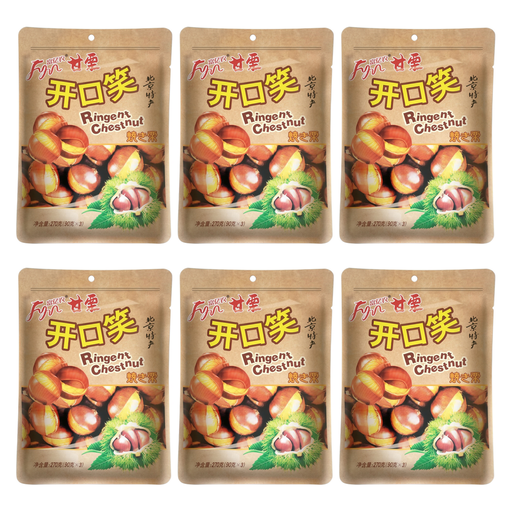
These options include portioned dried fruit, a larger dried-fruit bag, a fruit-and-nut mix and portioned chestnuts. Chestnuts are a different product from dried fruit, so compare them by their own label and intended use rather than treating them as an equivalent fruit pack.
 No image available
The three-pack boxes may suit someone who wants to carry smaller packs, but shelled chestnuts are not a dried-fruit value pack. Compare the total quantity, ingredients and pack directions with the dried-fruit options before choosing.
 No image available
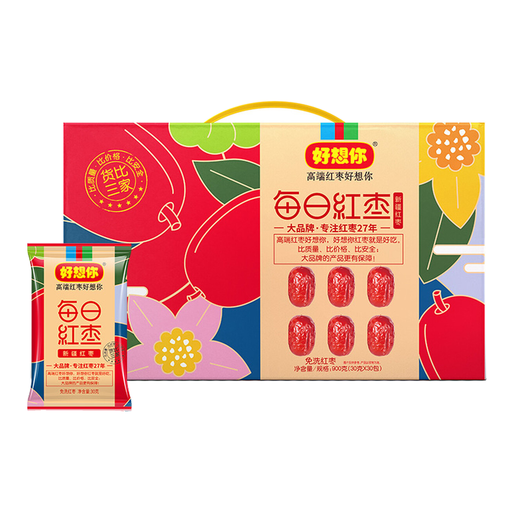
The individual 30g sachets offer a ready-sized format for carrying to a pre-training meal. The NHS’s 30g dried-fruit figure refers to a 5 A Day portion, not a workout-specific amount. Check whether the dates have pits before eating.
 No image available
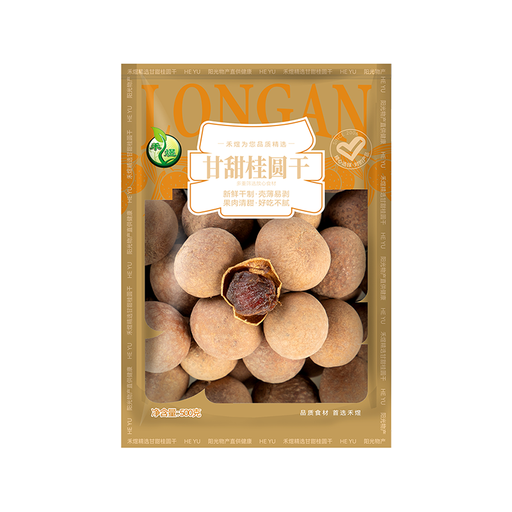
This 500g bag is an option if you prefer to measure your own dried-fruit portions rather than buy sachets. Check the pack’s preparation and storage directions before using it as a snack.
 No image available
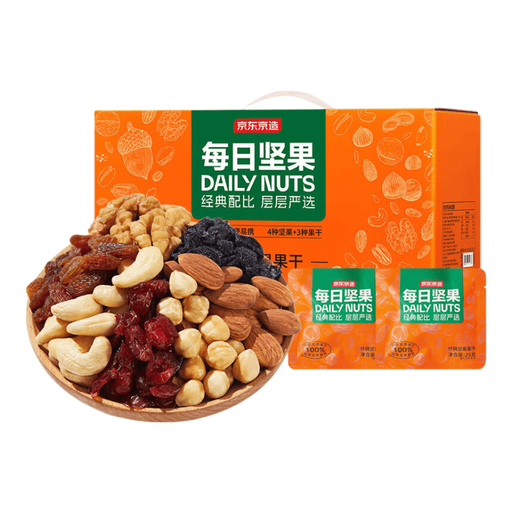
This portioned fruit-and-nut format suits a preference for a mixed snack rather than dried fruit alone. Check the exact nuts and allergy information on the pack, and try the portion and timing in your usual routine before relying on it before exercise.
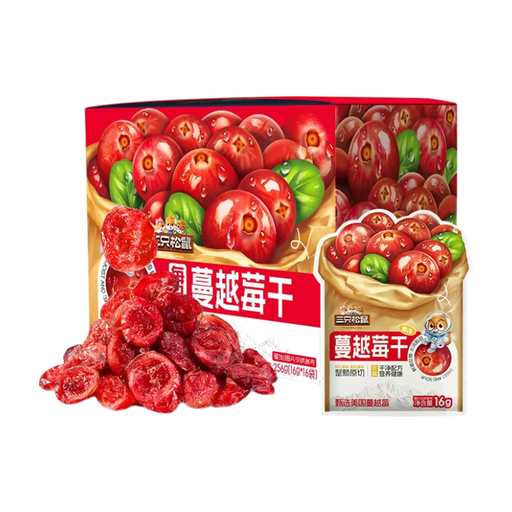 No image available
The individual 16g packs provide a smaller ready-sized option than the 30g sachets above. Compare the total 256g pack and its ingredients with larger bags if bulk buying is your priority; 16g is also below the NHS’s 30g dried-fruit 5 A Day reference portion.
It can be a compact carbohydrate option: the UK Sports Institute lists dried fruit among foods that can be used around exercise. Its advice also says pre-run eating time varies considerably, so try the portion and timing in your own routine. Separately, the NHS advises having dried fruit at mealtimes rather than between meals to reduce tooth-decay risk.
Compare current prices per kilogram, then consider how much of each pack you will use while following its storage and best-before instructions. Read ingredients too: Sainsbury’s 1kg Mixed Dried Fruit contains candied peel with glucose-fructose syrup and vegetable oil, so it is not equivalent to a plain single-fruit pack.
Not necessarily. The NHS identifies 30g of dried fruit as one 5 A Day portion, not an individual exercise-fuelling amount. The portion and timing you choose should reflect your meal pattern, session and experience with eating beforehand.
Check its ingredients and allergy warnings for the specific nuts and any sulphur dioxide or sulphites. GOV.UK guidance says regulated allergens used as ingredients in prepacked food must be clearly labelled in the ingredients list; suitability warnings can provide further product-specific information.
Follow the directions on that pack. For example, the M&S Raisins listing specifies a cool, dry place and resealing after opening. Dividing a bag into portions can make quantities easier to manage, but it does not replace its storage or best-before instructions.