What should you compare?
Decide whether dried fruit is essential, then compare protein for the portion you would eat and check the ingredients before sharing or selling a snack.
| Priority |
What to check |
Your needs |
| Protein and fruit |
Compare protein per 100g and per portion. Check the ingredients to see whether the product contains dried fruit or is instead a nut-based snack. |
I want dried fruit in the snack, but I also want to know how much protein the portion provides. Tesco Groceries lists dates and 10.4g protein per 40g Eat Natural Fruit & Nut Protein Bar; Marks & Spencer lists 10g per 30g pack for its Protein Packed Nut and Seed Mix, which is not a dried-fruit product. |
| Portion and handling |
Check the stated pack or bar size and whether each serving stays in its own labelled wrapper. Compare protein per pack rather than relying only on the per-100g figure. |
For a day outdoors, I would rather carry portions that are straightforward to hand out or keep for myself, without separating an open mix into bags. |
| Ingredients and allergens |
Read the current ingredients and allergen information for the exact variety. Fruit-and-nut bars, nut mixes and dried-fruit-led mixes have different ingredient lists. |
I need to know whether a snack contains ingredients someone must avoid. The Tesco-listed Eat Natural bar includes peanuts and soya protein crispies; Marks & Spencer’s Fruit and Nuts mix lists nuts and sulphur dioxide. |
| Selling refreshments |
Keep product information with food offered for sale. Before selling regularly or repacking snacks, ask the relevant local authority what registration and allergen-information duties apply to your activity. |
If I am offering snacks to car boot visitors, I want buyers to be able to check the label and I need to establish which rules apply before trading. GOV.UK says selling, storing, handling or distributing food may make an activity a food business in England, Wales and Northern Ireland. |
Joybuy snack options
These options include a nuts-and-dried-fruit snack and two KIND protein-bar pack variants. Check the current ingredients and protein panel to decide whether you need dried fruit in the snack or would prefer a nut-based bar.
 No image available
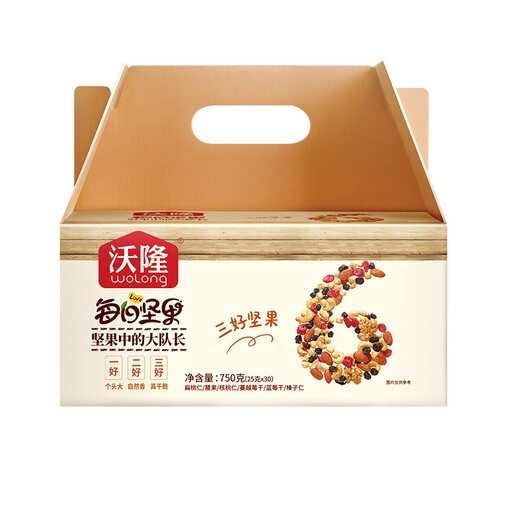
Wolong Daily Nuts Series A (Adult Version) 750g
Consider this nuts-and-dried-fruit option if you want fruit in the snack. Check the current ingredients, allergens and protein per serving before choosing it for yourself or offering it to others.
View on Joybuy
 No image available
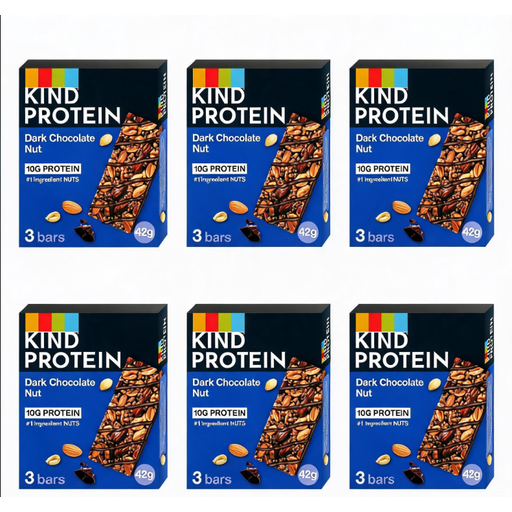
KIND Protein Dark Chocolate Nut Bars 3 x 42g x 6pcs
This nut-bar format is an option when dried fruit is not essential. Check the pack’s protein figure and allergen information, particularly if you are choosing snacks for other people.
View on Joybuy
 No image available
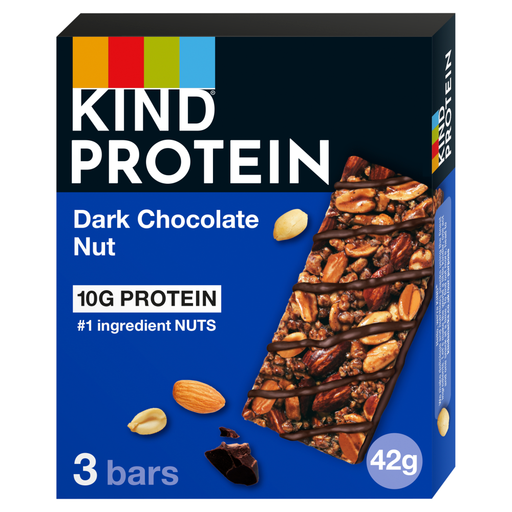
KIND Protein Dark Chocolate Nut Bars 3 x 42g
This is the 3 x 42g pack variant of the nut bar. If a stated protein amount is your priority, compare its current nutrition panel with other snacks and check the ingredients for allergens.
View on Joybuy
Questions about choosing and selling snacks
Is dried fruit automatically a high-protein refreshment?
No. Dried fruit describes the ingredient, not a particular protein amount. Check the current nutrition panel for the exact product and the portion you intend to eat rather than assuming the category meets a protein goal.
What if I want both dried fruit and a stated protein amount?
A fruit-and-nut protein bar is one option if its ingredients suit the intended eater. Tesco Groceries lists dates and 10.4g protein per 40g Eat Natural Fruit & Nut Protein Bar, but also lists peanuts and soya protein crispies; check the full current label.
When does a nut-and-seed mix make sense instead?
Consider one when dried fruit is optional and the labelled protein per portion matters more to you. Marks & Spencer declares 10g protein per 30g pack for its Protein Packed Nut and Seed Mix; it is not a dried-fruit product and its ingredients require an allergen check.
Do I need to register to sell packaged snacks at a car boot sale?
You may need to register if your activity amounts to a food business. GOV.UK says selling, storing, handling or distributing food may bring an activity within food-business requirements in England, Wales and Northern Ireland; ask the relevant local authority about your circumstances before trading. For a food business that must register, the Food Standards Agency registration service says to do so at least 28 days before trading or food operations start.
Can I put a fruit-and-nut mix into my own bags for sale?
Check the applicable food-business and allergen-information requirements before repacking it. The original pack keeps the manufacturer’s ingredients information with the food; moving the mix into unlabelled bags removes that information from what the buyer receives. Ask the relevant local authority what your selling activity requires.


