
24/7 Customer Support

Free returns

Same-day & Next-day Delivery

Quality Guaranteed

Unlock Your Welcome Offers: FREE Delivery | Up to 80% OFF | Free 30-day JoyPlus trial
Download the APP
A well-stocked spice rack is the foundation of a flavourful kitchen, turning simple ingredients into memorable meals. Yet, when you decide to buy dried herbs online, the sheer variety can be overwhelming. More importantly, not all dried herbs and spices are created equal. Many home cooks in the UK find themselves with jars of flavourless dust, wondering where they went wrong. Before you fill your basket, it is worth understanding the common pitfalls that lead to disappointing dishes and wasted money.
As a Joybuy Product Recommendation Officer, my role is to help you navigate the market and identify the qualities that truly matter. Let's look past the clever marketing and focus on what makes a genuine difference to your cooking.
Stocking your pantry should be straightforward, but a few common issues can catch out even experienced cooks. Being aware of them is the first step to making better choices.
To avoid these traps, focus on a few key indicators of quality. These non-negotiable factors will ensure the herbs you buy deliver the flavour your recipes deserve.
The container is more than just storage; it is a preservation system. The volatile oils that give herbs like rosemary and thyme their character are sensitive to degradation.
Always read the label, especially for blends. A quality product will have a simple, clear ingredient list.
The form of the spice has a significant impact on its shelf life and flavour.
To help you choose, we have matched a few standout products from our selection to different types of home cooks.
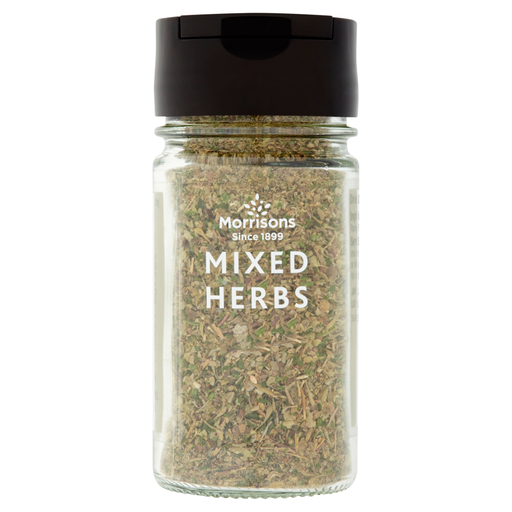
Why This Fits Their Persona: Perfect for anyone building their first collection of pantry staples. This single jar provides a versatile seasoning for countless everyday British and Mediterranean dishes, from cottage pie and stews to a simple seasoning for chicken, without the initial expense of buying five separate herbs.
It sidesteps the "mystery mix" trap with a transparent ingredient list of classic herbs (Oregano, Thyme, Marjoram, Basil, Parsley and Sage) and no added salt or fillers. You get pure, balanced flavour.
Extremely cost-effective and convenient. The dispenser jar is practical for everyday use and helps keep the contents sealed from kitchen steam.
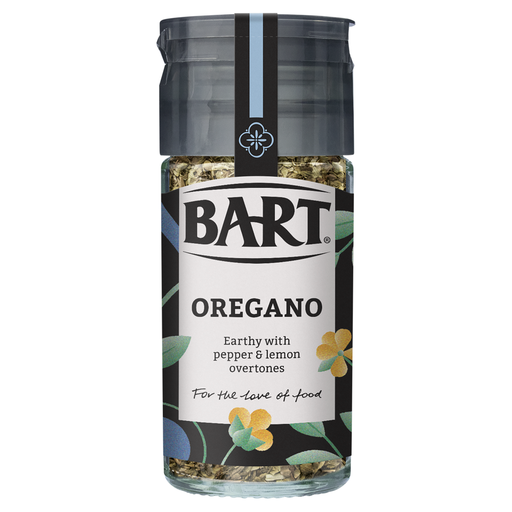
Why This Fits Their Persona: For the home cook dedicated to authentic Italian or Greek flavours, a generic mixed herb blend won't do. This dried oregano is selected for its robust, peppery and lemony profile, essential for a perfect pizza topping or a rich bolognese sauce.
This avoids the "faded flavour" trap by focusing on a specific, high-impact herb known for its intense aroma. It is a single-ingredient product, ensuring you get 100% pure oregano without any dilution.
Delivers a specific, pungent flavour profile that is crucial for authentic Mediterranean cooking. The Bart brand is known for sourcing quality ingredients, offering a reliable step-up in flavour.
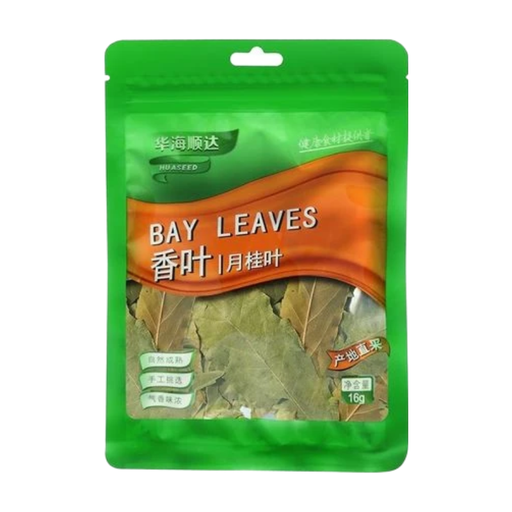
Why This Fits Their Persona: This cook understands that the secret to a great stew, soup or braise lies in building a deep, aromatic base. Whole bay leaves are a non-negotiable ingredient, releasing their subtle, complex fragrance slowly over hours of cooking.
By providing whole, unbroken leaves, it completely avoids the rapid flavour loss seen in ground or broken herbs. The flavour is locked inside the leaf structure, ready to be released by heat and moisture.
Superior flavour retention and the ability to impart a layered, herbal aroma without overwhelming the dish. The leaves are easily removed before serving.
We have compiled a complete, real-time list of products that fully satisfy these strict selection criteria and UK safety regulations.
1. How long do dried herbs and spices really last? While they don't "spoil" in the traditional sense, they do lose their potency. As a rule of thumb, whole spices (like cloves or star anise) can last for 2-3 years, while ground spices and dried leafy herbs (like parsley or basil) are at their best for 6-12 months. The best test is your nose: crush a small amount in your palm. If the aroma is faint or dusty, it's time for a replacement.
2. What is the correct way to store dried herbs? The mantra is cool, dark and dry. The worst place for your spice rack is above the cooker, where heat and steam will rapidly degrade them. Store your herb and spice jars in a cupboard or pantry away from direct sunlight and moisture. Always ensure the lids are screwed on tightly after use.
3. What are the most essential dried herbs for a beginner's pantry? To cover the basics of most Western cooking, a great starting five would be: mixed herbs for cooking (for general use), dried oregano (for Italian/Mediterranean), bay leaves (for soups/stews), thyme (for roasts) and dried basil (for tomato-based sauces). This small collection provides a versatile foundation for thousands of recipes.