
24/7 Customer Support

Free returns

Same-day & Next-day Delivery

Quality Guaranteed

Unlock Your Welcome Offers: FREE Delivery | Up to 80% OFF | Free 30-day JoyPlus trial
Download the APP
Buying dried herbs and spices online can make everyday cooking more convenient, but attractive packaging does not always tell you what matters. A small pouch may contain less usable ingredient than expected, while a large bag can lose its aroma before you have finished it. For UK home cooks, the right choice depends on the ingredient, pack size, storage instructions and the dishes you actually prepare.
This guide highlights common buying traps, explains the specifications worth checking and matches selected products to different cooking habits.
A larger pack may appear more economical, but dried culinary herbs and spices gradually lose aroma once exposed to air, heat and moisture. If you only use lemongrass occasionally, a large bag may not offer good value unless it can be sealed securely.
Check the net quantity, recommended storage conditions and how frequently you expect to use the ingredient. Twin packs, such as dried tangerine peel supplied in two 20g packs, can be practical because one pack can remain unopened while the other is in use.
Some ingredients need preparation before consumption. Dried tangerine peel should be rinsed and soaked in warm water before cooking, while dried wakame needs rehydration. Product instructions should clearly explain whether an ingredient needs soaking, simmering, steeping or removal before serving.
This matters particularly when buying Asian cooking ingredients for soups, braised dishes and teas. Following the preparation instructions helps achieve the intended texture and flavour.
A concentrated ingredient is not automatically suitable for every recipe. Bay leaves and thyme are usually added early to soups, stews and sauces, then removed or left as part of the dish depending on the recipe. Lemongrass pieces may be crushed, tied or strained after cooking. Wakame expands after soaking and should be used in smaller quantities than its dry appearance suggests.
Look for clear usage guidance rather than relying on broad claims such as “suitable for everything”.
The ingredients list should identify the contents clearly. Single-ingredient products, such as 100% dried mandarin peel, 100% lemongrass pieces or dried thyme, make it easier to understand what you are purchasing. Country of origin can also help you select ingredients suited to a particular cooking style, although origin alone does not determine quality.
For Japanese cooking ingredients, check whether the product is wakame, nori, kombu or another seaweed, as each has a different texture and culinary use. For Chinese spices and traditional recipes, examine whether the product is a whole ingredient, broken pieces or a blended seasoning.
Compare the stated weight rather than the size of the pouch or jar. A 15g pack of dried bay leaves may be suitable for occasional stews, whereas 100g of pre-cut dried lemongrass is more appropriate for regular curries, marinades, soups or infusions.
Pieces, flakes and whole leaves each offer different preparation benefits:
Choose products with clear storage information, including whether they should be kept in a cool, dry place away from light. After opening, transfer ingredients to an airtight container if the original packaging does not reseal effectively.
For products requiring cooking or soaking, read the instructions carefully. Dried tangerine peel, for example, is supplied for cooking and should be rinsed and softened before use. Seaweed products may have naturally high salt levels, so check the nutrition panel when planning meals and adjust additional seasoning accordingly.
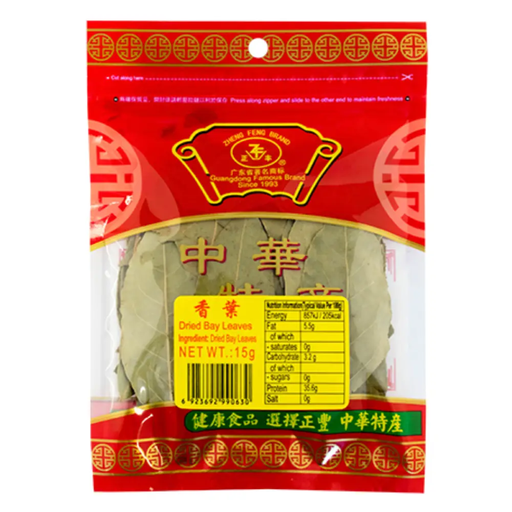
Why This Fits Their Persona: A compact 15g pack suits UK cooks building a basic pantry and preparing soups, sauces, stews or braised dishes from time to time.
The stated net quantity makes it easier to compare value, while the single-ingredient format avoids paying for an unnecessary seasoning blend.
Dried bay leaves are a practical long-life pantry staple; the pack lists bay leaves as the ingredient and gives airtight storage guidance.
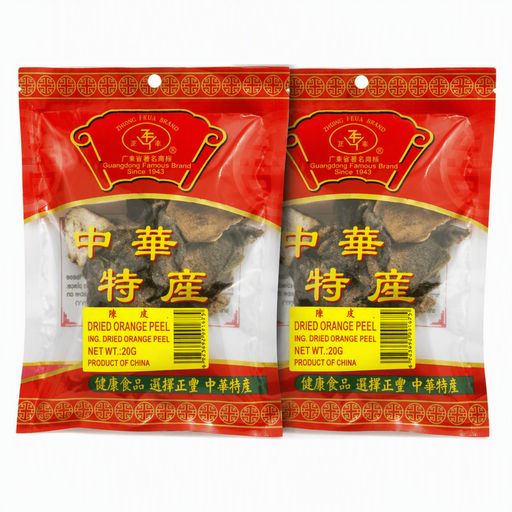
Why This Fits Their Persona: This twin-pack suits cooks who value traditional Chinese cooking ingredients for braised dishes, soups and herbal-style teas.
The pack clearly states 20g ×2 and gives rinse-and-soak instructions, reducing confusion about quantity and preparation.
Made from 100% dried mandarin peel; two separate packs can help preserve the unused portion during longer-term pantry storage.
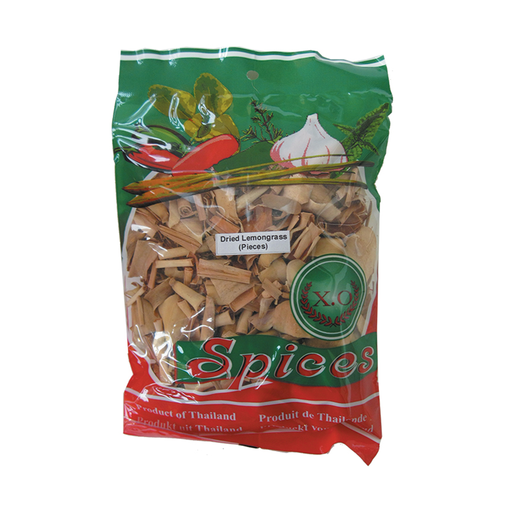
Why This Fits Their Persona: The 100g format is suited to regular cooks preparing curries, marinades, soups, sauces or herbal infusions.
The ingredient and quantity are clearly stated, and pre-cut pieces avoid the preparation issue of buying whole stalks that require extensive chopping.
Contains 100% lemongrass pieces; the pieces can be crushed, steeped or removed after cooking, and the pack gives a 24-month shelf-life reference when stored correctly.
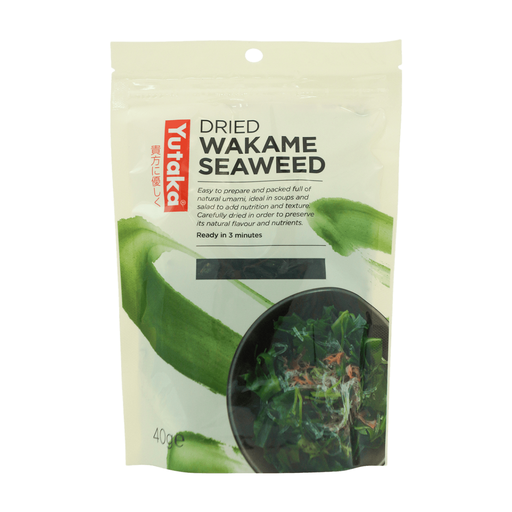
Why This Fits Their Persona: A useful option for cooks making miso soup, ramen, rice bowls, noodles, salads or other Japanese cooking ingredients at home.
The product instructions explain that it should be rehydrated, while the nutrition panel identifies its naturally high salt content for more informed meal planning.
The 40g dried format is compact and quick to rehydrate; it contains wakame as the listed ingredient and is suitable for vegetarian recipes.
Dried thyme is another useful pantry option for cooks who want a familiar herb for vegetable dishes, marinades, soups, rice dishes and stews. The 40g Dunn’s River Dried Thyme jar provides a resealable format and usage guidance to rub the leaves before adding them to food.
We have compiled a complete, real-time list of products that fully satisfy these strict selection criteria and UK safety regulations.
Store dried herbs, spices and seaweed in a cool, dry cupboard, away from the hob, kettle and direct sunlight. Steam from cooking can introduce moisture and cause clumping or loss of aroma.
For opened packs:
If you regularly prepare dried ingredients from fresh produce at home, a food dehydrator may also help with selected herbs, citrus peel and other ingredients. Always follow the appliance instructions and ensure food is fully dried before storage.
Shelf life varies by product and storage conditions. Use the best-before date on the packaging as your main reference. Dried ingredients generally retain their flavour more effectively when kept sealed, dry and away from light. Replace products if they develop moisture, mould or an unusual smell.
Bay leaves are commonly simmered in soups, stews, sauces and braised dishes to infuse aroma. Their stiff texture means they are usually removed before serving. Count the leaves added to the pot so they are easier to locate.
Dried wakame should be soaked in water for a few minutes until tender, then drained and added to the recipe. Dried tangerine peel should be rinsed briefly and soaked in warm water to soften before cooking. Always follow the specific instructions printed on the product packaging.