
24/7 Customer Support

Free returns

Same-day & Next-day Delivery

Quality Guaranteed

Unlock Your Welcome Offers: FREE Delivery | Up to 80% OFF | Free 30-day JoyPlus trial
Download the APP
Buying dried herbs and herbal teas can seem straightforward until you compare packet sizes, ingredients, storage instructions and intended uses. A small jar may suit occasional cooking, while a larger pack or frozen alternative could be more practical for frequent meals. The key is to look beyond attractive packaging and broad wellness language.
This guide explains the common buying pitfalls, the specifications worth checking and suitable options for different UK households, from everyday home cooks to fans of Asian cooking ingredients and caffeine-free herbal tea.
A product labelled “mixed herbs” may contain several culinary herbs, while a pack of dried thyme, bay leaves or coriander seeds contains one ingredient. Blends are convenient, but they may not suit recipes requiring a specific flavour. Always read the ingredient list rather than relying only on the front label.
Large packs can offer practical value for regular users, but dried leaves and spices gradually lose aroma after opening, particularly if exposed to heat, light or moisture. Occasional cooks may prefer smaller packs, such as 10g–20g sachets. Heavy users may benefit from larger quantities, provided the product can be sealed properly.
Herbal infusions can provide enjoyable flavours and may be naturally caffeine-free, but they should not automatically be treated as treatments or health products. Claims about detoxification, weight management or other effects require particular caution. Check the ingredients, preparation method and safety information, especially for blends containing senna, liquorice or concentrated botanicals.
Look for a clear ingredient statement, such as 100% dried lemongrass, dried mandarin peel or soursop leaves. Products intended for cooking may require rinsing, soaking or thorough cooking before consumption. Dried lily bulbs, for example, should be rinsed, soaked for 30–60 minutes and cooked before eating.
For herbal tea bags, check the quantity per box and whether the product contains caffeine. Tropical Sun Soursop Tea lists soursop leaves as its sole ingredient and provides instructions for both hot and cold brewing. A caffeine-free description is useful for shoppers avoiding caffeinated drinks, but it does not make the beverage suitable for every individual.
Consider how often you will use the ingredient:
Frozen products need different handling from dried spices. Kim Son Lemon Grass Chop/Minced 200g and Kim Son Lime Leaf 100g should be kept at -18°C and not refrozen after thawing. This makes freezer space and delivery conditions relevant considerations.
Most dried herbs should be kept in a cool, dry place away from direct sunlight, with the packaging sealed after opening. Avoid storing them above a hob or beside a kettle, where heat and steam can affect aroma and texture.
Check the best-before information on arrival and inspect the pack before use. Discard products with visible mould, unusual odour, moisture damage or severely clumped contents. For UK food purchases, always read the current label for ingredients, allergens, net quantity, storage and responsible business details, as packaging information may change.
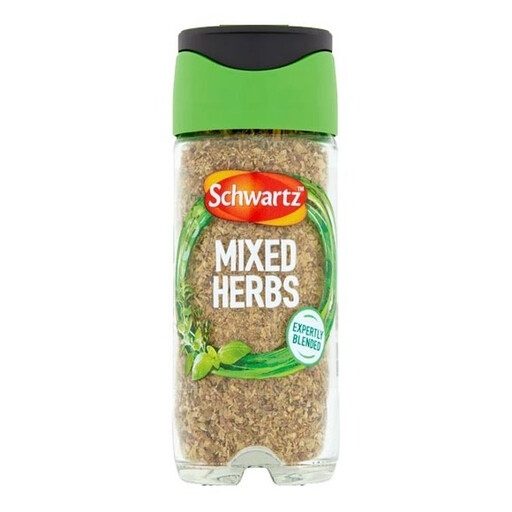
Why This Fits Their Persona: A compact option for UK kitchens building a basic seasoning cupboard. The six 11g sachets can suit soups, roasted vegetables, sauces and everyday family meals.
The listed blend identifies parsley, basil, oregano and thyme, helping shoppers understand what they are buying instead of relying on generic “herbal flavour” wording.
Six individually portioned sachets; suitable for vegetarians and listed without artificial colours, flavours or preservatives.
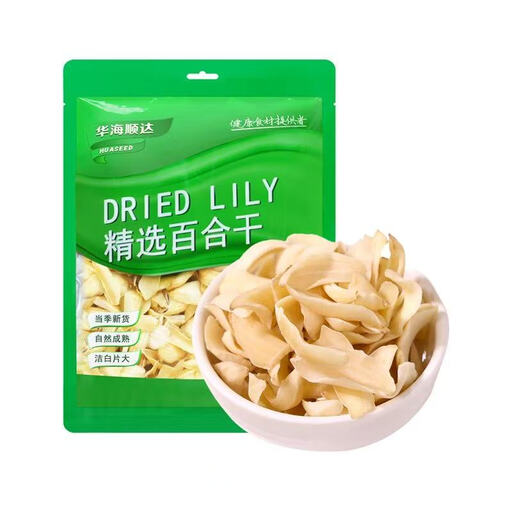
Why This Fits Their Persona: Suitable for cooks exploring Chinese dried herbs and traditional sweet or savoury recipes, including soups, congee and desserts.
The pack gives a defined 100g quantity and clear preparation steps, including soaking and cooking, rather than presenting the ingredient as ready to eat.
Dried lily bulbs are listed as the sole ingredient; the pack includes storage guidance for a sealed container.
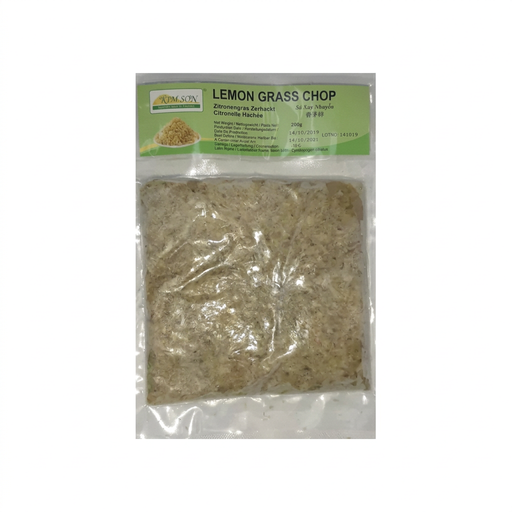
Why This Fits Their Persona: A freezer-friendly choice for regular Thai, Vietnamese and Southeast Asian cooking, particularly when fresh lemongrass preparation is inconvenient.
The chopped format reduces preparation work, while the frozen storage instruction makes its handling requirements clear.
200g format; ready-chopped lemongrass for curries, soups, marinades and stir-fries.

Why This Fits Their Persona: A simple option for shoppers seeking a light, tropical herbal infusion without caffeine, suitable for hot or cold preparation.
The ingredient list identifies soursop leaves at 100%, and the preparation instructions specify water volume and steeping time.
20 tea bags; listed as caffeine-free and suitable for hot or cold brewing.
We have compiled a complete, real-time list of products that fully satisfy these strict selection criteria and UK safety regulations.
Rub dried thyme between your fingers before adding it to sauces or stews to release its aroma. Add bay leaves early to soups, braises and rice dishes, then remove them before serving. Coriander seeds can be lightly crushed for curries and tagines, while dried tangerine peel can be rinsed, softened and added to braised dishes or tea.
For dried flowers and leaves such as osmanthus, honeysuckle or lily bulbs, follow the product-specific instructions rather than assuming they can all be brewed in the same way. Keep opened packs airtight and label them with the opening date where practical.
They can reduce waste because they store for longer and require no trimming. However, value depends on pack size, frequency of use and whether the flavour suits your recipe. Compare the net quantity and expected usage rather than choosing solely by shelf price.
Use the best-before date as a quality guide and follow the storage instructions. Dried products usually keep better when sealed away from moisture, heat and sunlight. Tea bags should remain in their original closed packaging or an airtight container.
They serve different purposes. Frozen lemongrass, lime leaves and methi retain a moist texture and are useful in curries, soups and stir-fries. Dried herbs and spices are more convenient for cupboard storage and concentrated seasoning. Choose according to the recipe, freezer space and how often you cook.