
24/7 Customer Support

Free returns

Same-day & Next-day Delivery

Quality Guaranteed

Unlock Your Welcome Offers: FREE Delivery | Up to 80% OFF | Free 30-day JoyPlus trial
Download the APP
Shopping for dried jujubes in the UK can be less straightforward than it appears. Chinese red dates, dried red dates and Chinese dates may look similar online, yet their size, texture, preparation requirements and intended use can differ considerably.
A good purchase should match how you plan to use the fruit. Before choosing a 500g bag or a smaller snack pack, check three common pitfalls: confusing pitted and whole fruit, assuming every product is ready to eat and paying for a premium grade that does not suit your recipe.
Some dried jujubes are suitable for eating directly from the pack, while others must be rinsed and thoroughly cooked. For example, a snack product may be soft and chewy, whereas cooking-grade fruit may be firmer or supplied in larger quantities.
Always read the usage instructions. A product labelled “must be cooked before consumption” should not be treated like ready-to-eat dried fruit snacks.
Pitted jujubes have had the stone removed, making them convenient for children’s lunchboxes, baking and quick preparation. Whole Chinese red dates still contain a stone, which can be inconvenient when slicing or serving.
If you are buying jujubes for tea and soup, whole fruit can be suitable. For porridge, cakes, energy bars or everyday snacking, pitted formats reduce preparation time. Check the ingredient and product description rather than relying only on front-of-pack imagery.
Xinjiang jujubes and other Chinese dates are often sorted by size, appearance and texture. Larger fruit can be attractive for serving whole, but smaller or sliced dates may work just as well in tea, soup or baking.
Also compare the net weight, not simply the star rating or grade. A 180g can may suit occasional snacking, while a 500g bag or multipack is more practical for households that regularly cook with red dates.
Look for a simple ingredient list if you want the fruit’s own flavour. Several products in this selection list jujube or red dates as 100% of the ingredients. This helps distinguish plain dried fruit from coated or flavoured snack products.
Do not assume that “natural sweetness” means low sugar. Product nutrition panels show that dried jujubes are concentrated fruit, with carbohydrate and sugar values varying by product. Compare the per 100g information when selecting between different pack sizes.
Choose based on your preparation habits:
For a busy UK kitchen, pitted or sliced fruit can be more convenient. For traditional recipes, whole Xinjiang jujubes or Loulan grey dates may provide a fuller shape and chewy texture.
Dried fruit should generally be kept in a cool, dry place away from direct sunlight and humidity. After opening, reseal the bag or transfer the contents to an airtight container. This reduces exposure to moisture and helps preserve texture.
A 250g or 280g pack may be sensible if you are trying a variety for the first time. Regular users may find a 500g bag, twin pack or individually portioned multipack more convenient. Check the best-before information on the packaging and follow the product’s specific storage instructions.
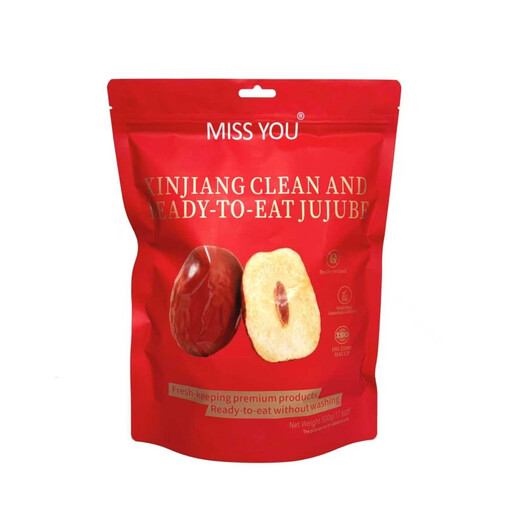
Why This Fits Their Persona: A 500g pack gives first-time buyers enough fruit to try as a snack and in tea, soups or desserts without moving immediately to a large multipack. It is listed as ready to eat with no washing required.
The product instructions clearly state that it is wash-free and ready to eat, reducing uncertainty around preparation.
500g net quantity; ingredient listed as jujube 100%; suitable for snacking, tea, soups and desserts.
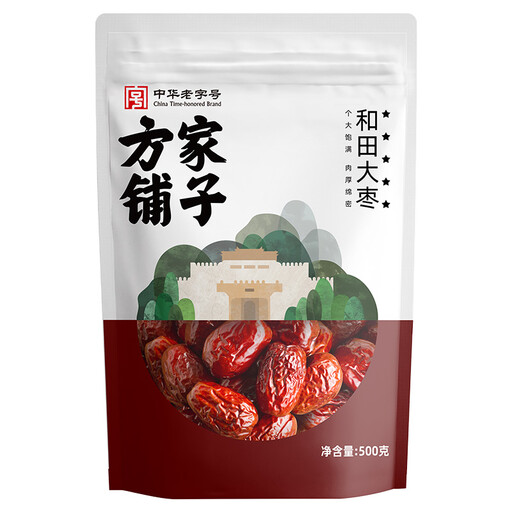
Why This Fits Their Persona: Its Five-Star Hetian grading and large, fleshy format may appeal to shoppers who want whole Chinese dates for serving, gifting, tea or slow-cooked dishes.
The listing identifies the origin as China and advises a gentle rinse before consumption, making the preparation expectation clear.
500g pack; dried Hetian jujube 100%; listed for eating directly, tea, soups, stews and baking.
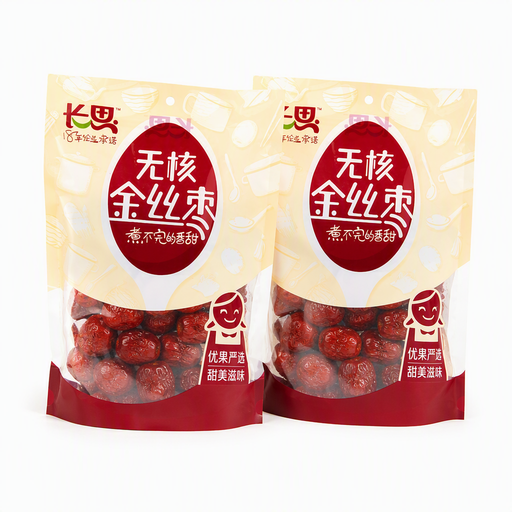
Why This Fits Their Persona: The twin 250g format suits households that use red dates regularly in congee, soups, tea, desserts or baking and want to keep one unopened pack in storage.
The pitted format avoids the preparation problem of stones, while separate packs can help limit repeated exposure to air and moisture.
Two 250g packs; golden thread jujubes; pitted and listed as ready to eat with no preparation required.
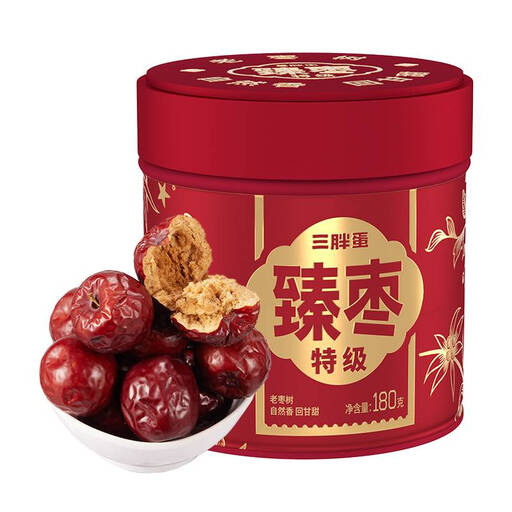
Why This Fits Their Persona: A compact 180g can is suitable for occasional snacking, desk storage or shoppers who want pitted fruit without committing to a larger bag.
The listing specifies that the fruit is pitted, sealed for freshness and ready to eat, addressing three frequent points of confusion.
180g net quantity; pitted red dates; suitable for snacks, soups, tea and desserts.
We have compiled a complete, real-time list of products that fully satisfy these strict selection criteria and UK safety regulations.
For a simple drink, add washed whole or pitted jujubes to hot water or tea and allow the flavour to infuse. Sliced red dates are convenient when you want faster extraction.
For cooking, add them to porridge, congee, soups and slow-cooked dishes. Their concentrated sweetness can complement savoury ingredients, but adjust other sweeteners carefully. Pitted fruit can also be chopped into cakes, bread, desserts and homemade snack bars.
Crispy jujubes are a separate category from soft dried fruit. The BS Crispy Jujube 90g listing includes winter jujube and palm oil, so compare the ingredient list if you specifically want plain dried fruit.
Some are, but not all. Look for explicit wording such as “ready to eat”. Products labelled “must be cooked before consumption” should be rinsed and thoroughly cooked according to the instructions.
Keep them sealed in a cool, dry place away from sunlight and humidity. An airtight container can help maintain texture. Follow the individual packaging instructions and consume the product within the recommended period.
They can save preparation time, particularly for baking, porridge and quick soups. Whole dates may be preferable when presentation matters, but remember that stones need to be removed or handled carefully before serving.