
24/7 Customer Support

Free returns

Same-day & Next-day Delivery

Quality Guaranteed

Unlock Your Welcome Offers: FREE Delivery | Up to 80% OFF | Free 30-day JoyPlus trial
Download the APP
Dried lotus seeds, known as lian zi (蓮子) in Chinese, are a staple in many pantries, prized for their subtle flavour and nutritional profile. Whether you are aiming to create a nourishing traditional soup, a comforting bowl of congee or a sweet dessert, these versatile kernels are an essential ingredient. However, with different types available, knowing which to choose and how to prepare them can seem daunting.
As the Joybuy Product Recommendation Officer, my role is to help you navigate the options. This guide offers practical advice on selecting the right dried lotus seeds for your culinary needs, along with our recommendations to help you make a confident choice.
Selecting high-quality lotus seeds is the first step to a delicious dish. Here are a few key points to consider before you buy.
Here are a few carefully selected options available on Joybuy, chosen for their quality and suitability for home cooking.
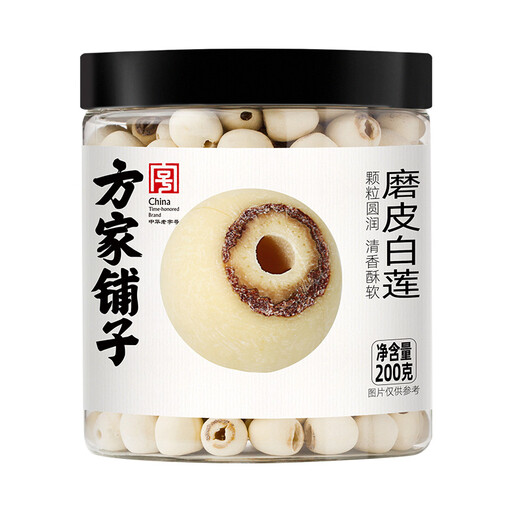
Why It Stands Out: Sourced by a century-old brand, these polished white lotus seeds are notable for their impressive nutritional content. With 20.0g of protein and just 0.9g of fat per 100g, they are a fantastic ingredient for health-conscious cooks. Their uniform size and quality make them a reliable choice for traditional Chinese soup ingredients.
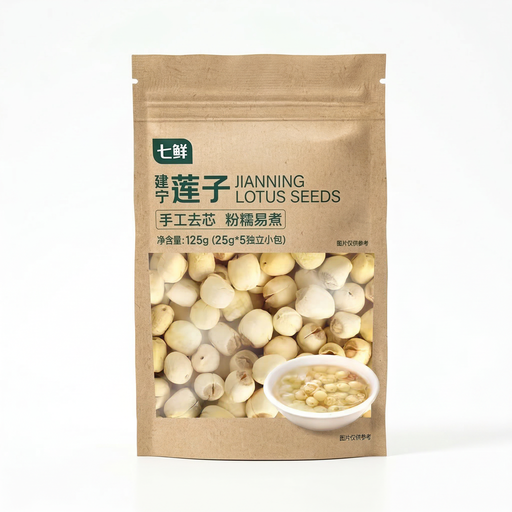
Why It Stands Out: These Grade A lotus seeds are sourced from Jianning, a region in Fujian province renowned for its lotus cultivation. Selected by 7FRESH, a brand focused on high-quality food, these seeds are rich in plant protein and cook to a soft, pleasant texture, making them perfect for a wide range of dishes.
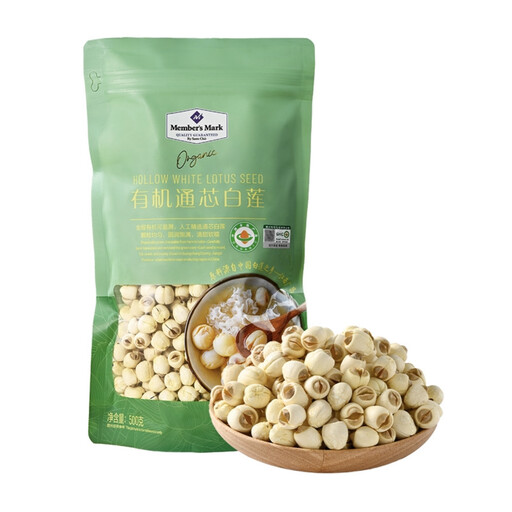
Why It Stands Out: For those who use lotus seeds regularly or prefer to buy in larger quantities, this 500g pack of organic lotus seeds is an excellent option. Being 100% pure and organic, they meet the needs of health-conscious consumers. They cook to a soft and slightly sweet finish, suitable for everything from soups to sweet drinks.
Preparing dried lotus seeds is straightforward. Following these steps will ensure they are perfectly tender for your recipe.
If our recommendations don't quite match what you need, or if you're interested in exploring other traditional ingredients for your pantry, we invite you to browse our broader collection.
Explore Our Full Range of Flower Seeds and Soup Ingredients
Most commercially available peeled lotus seeds already have the bitter green germ (core or pith) removed. All the products recommended above are cored for convenience. If you happen to buy seeds that still contain the core, it is best to split the soaked seed in half and remove it with the tip of a knife before cooking, as it can impart a bitter taste to your dish.
When cooked, lotus seeds have a mild, subtly sweet and nutty flavour. Their texture is often compared to that of a cooked potato, chestnut or a soft-cooked bean. This neutral profile allows them to absorb the flavours of the broths and syrups they are cooked in, making them a versatile component in both savoury and sweet dishes.
Yes, they are a valuable source of plant-based protein. As seen in the products above, some varieties contain between 19g to 20g of protein per 100g. This makes them an excellent, nutrient-dense addition to vegan and vegetarian diets, contributing to protein intake in soups, stews and other meals.