What matters when choosing
Start with the meal's purpose, then compare nutrition on the same dry or cooked basis and check any dietary restrictions against the exact pack.
| Concern |
What to check |
Who this matters to |
| Carbohydrate and fibre for routine meals |
Check for wholewheat ingredients and compare carbohydrate and fibre on the same dry or cooked serving basis. Tesco Whole Wheat Spaghetti lists 46.6 g available carbohydrate and 6.5 g fibre per 170 g cooked serving. |
If pasta is part of my usual training-day meal, I want to know both the serving size and how much fibre it contributes. About 40% of consumers put this routine-meal concern first. |
| Familiarity before an event |
Practise the pasta, sauce, portion and timing during training. A lower-fibre approach is relevant only if it suits your pre-event plan and tolerance. |
Before a sportive or race, I would rather eat a familiar meal than discover on the day that a new recipe does not suit me. Roughly 30% of consumers prioritise pre-event meal comfort. |
| Protein from the pasta |
Compare protein alongside carbohydrate and fibre using matching serving bases, and read the ingredients. Barilla Protein+ Spaghetti lists 20 g protein per 100 g dry pasta. |
After a ride, I may want the pasta itself to contribute more protein while still considering the rest of my meal. Around 20% of consumers make that their primary pasta choice. |
| Gluten-free or wheat-free suitability |
Look for the applicable explicit label claim, then check ingredients and allergens on the current pack. Tesco Free From Spaghetti is labelled gluten free, wheat free and egg free. |
When I must avoid gluten or wheat, suitability comes before pasta shape or a protein claim. About 10% of consumers put that requirement first. |
Dried pasta on Joybuy
These dried-pasta choices cover straightforward spaghetti meals, wholewheat fusilli for routine meals and gluten-free lasagne sheets. Match the shape and pack information to the meal you intend to make.
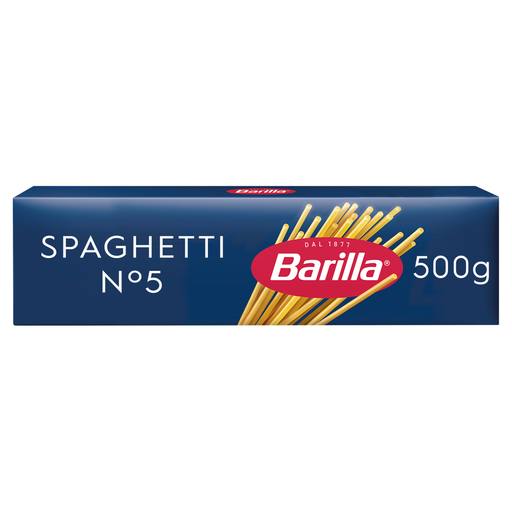 Image unavailable
Barilla Spaghetti 500g
A plain spaghetti option for meals where you do not need a wholewheat or protein-enriched pasta. The Joybuy listing identifies durum-wheat semolina and water as ingredients and states that it contains wheat; check the current pack if an allergen restriction applies.
View on Joybuy
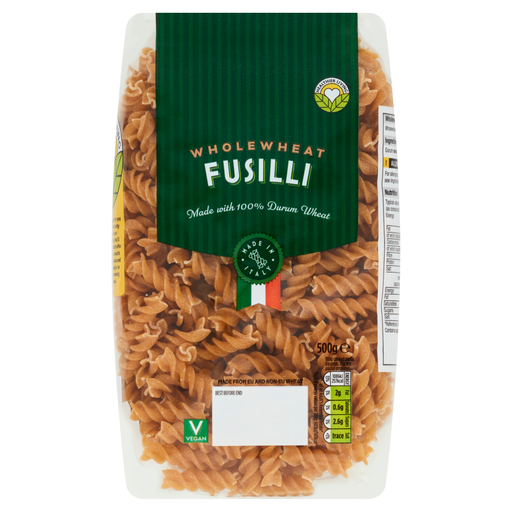 Image unavailable
Morrisons Wholewheat Fusilli 500g
A wholewheat shape to consider for routine meals if you tolerate higher-fibre foods. The Joybuy listing identifies durum wholewheat semolina as the ingredient and states that it contains wheat; compare its serving-based nutrition with other packs on the same basis.
View on Joybuy
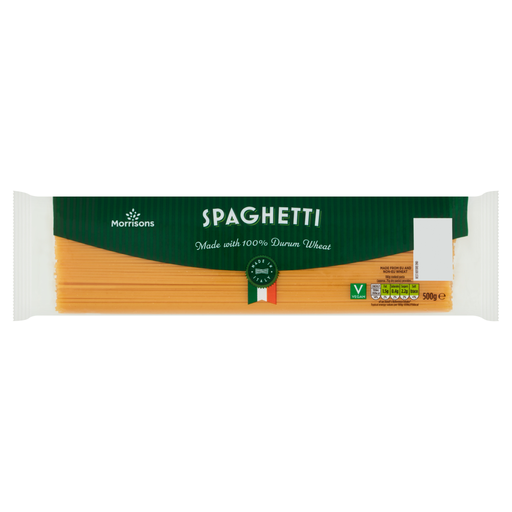 Image unavailable
Morrisons Spaghetti 500g
Consider this dried spaghetti when you want a familiar shape for an ordinary pasta meal. Check its current nutrition and allergen panel for your intended portion, particularly if you are comparing it with wholewheat or gluten-free pasta.
View on Joybuy
 Image unavailable
Napolina Spaghetti 500g
Another dried spaghetti choice for a pasta-based meal. If portion planning or preparation time matters, check the current pack's serving and cooking guidance; check its allergen declaration before choosing it for a restricted diet.
View on Joybuy
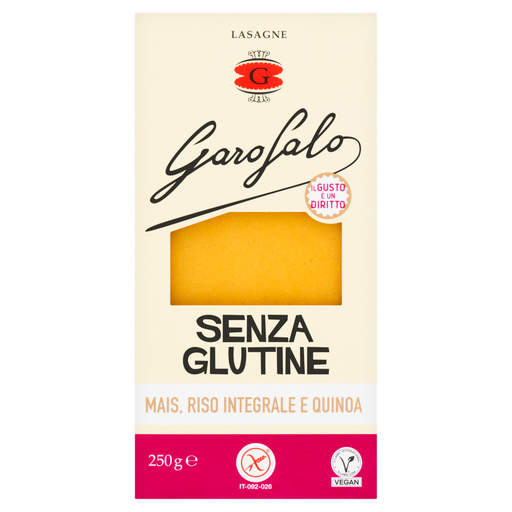 Image unavailable
Garofalo Gluten Free Lasagne 250g
A gluten-free lasagne-sheet option when that format suits the meal you are making, rather than a substitute shape for spaghetti or fusilli. If gluten or wheat avoidance is essential, confirm the current pack's full ingredients and allergen declaration before use.
View on Joybuy
Frequently asked questions
Is wholewheat pasta always the right choice before a ride?
No. Wholewheat pasta can fit routine meals when you tolerate its fibre, but a familiar meal and your own tolerance matter before an event. British Cycling advises avoiding surprises; Australian Institute of Sport guidance describes lower-fibre approaches for particular endurance-race circumstances, not as a rule for every ride.
Can a pasta meal replace food and drink during a long ride?
No. A pasta meal and an on-bike plan serve different parts of the day. British Cycling stresses steady intake of nutrients and fluids during a sportive, so plan what you will carry and use during the ride separately from your pre-ride meal.
Does protein-enriched pasta cover the whole recovery meal?
Not by itself: it changes the contribution from the pasta, not everything else you eat or drink. Barilla lists 20 g protein per 100 g dry Protein+ Spaghetti, while Tesco lists 20.8 g per 170 g cooked serving for its High Protein Fusilli; compare those different serving bases before choosing.
What should I check when I need gluten-free pasta?
Check the exact product's current gluten-free claim, ingredients and allergen declaration. Tesco Free From Spaghetti is labelled gluten free, wheat free and egg free, whereas its Whole Wheat Spaghetti and the profiled High Protein Fusilli contain wheat ingredients. A brand name or pasta shape alone does not establish suitability.


