Meal planners matching pasta to sauce
If an Easter meal centres on a sauce or pasta bake, choose the shape with that dish in mind. Tesco describes its ridged, hollow penne as holding sauce, while Barilla describes fusilli spirals as catching it.


Choose dried pasta for the planned Easter dish and everyone eating it: penne or fusilli can work for sauce-led meals, while wholewheat is a route to consider when choosing more wholegrains. Standard durum-wheat pasta is not suitable for someone avoiding wheat or gluten; for a dietary restriction, choose an appropriately labelled alternative and check the current pack, including any egg-allergy warning.
If an Easter meal centres on a sauce or pasta bake, choose the shape with that dish in mind. Tesco describes its ridged, hollow penne as holding sauce, while Barilla describes fusilli spirals as catching it.
Wholewheat pasta is an option when wholegrains are the priority and wheat is suitable for everyone eating. The NHS names wholewheat pasta among wholegrain choices.
When a guest needs to avoid wheat, gluten or egg, check the exact pasta pack rather than relying on its shape or a broad category name. Tesco and M&S list wheat in standard penne; M&S also gives an egg-allergy warning for its standard penne and lists a separate alternative made from cornflour and rice flour.
Settle any dietary restrictions before choosing a shape for the recipe. Then check the pack size and serving guidance against the meals you plan to make.
| Concern | What to check | Who this matters to |
|---|---|---|
| Dietary suitability | Read the current pack ingredients, emphasised allergens and any product-specific warning. Do not assume an alternative labelled gluten-free is also egg-free. | If a guest must avoid wheat, gluten or egg, I need to establish that the exact pasta is suitable before planning the dish. About 30% of consumers put dietary suitability first. |
| Shape and sauce | Match the recipe to the shape: Tesco describes hollow, ridged penne as holding sauce, and Barilla describes fusilli spirals as catching it. | For a sauce-led Easter meal, I want a shape that works with what I am cooking. Sauce-and-shape fit comes first for about 30% of consumers. |
| Wholegrain choice | Look for wholewheat in the product name and ingredients; it remains wheat-based and is not a gluten-free choice. | When I am choosing more wholegrains, I want that preference to guide which pasta goes in the cupboard. About 20% of consumers make the wholegrain choice their primary concern. |
| Quantity and storage | Check pack weight, on-pack serving guidance and storage instructions against the meals planned after Easter. | If I am cooking for several people or keeping pasta for later meals, I need an amount I can use and store as directed. Quantity and store-cupboard practicality lead the choice for about 20% of consumers. |
Standard semolina pasta contains wheat. M&S also marks its standard penne as unsuitable for people with an egg allergy, so a familiar shape does not establish suitability.
For a necessary restriction, read the current pack ingredients and allergy information for the exact product before serving.
A shape chosen without the sauce or recipe in mind may not give you the format you wanted for a sauce-led meal or bake. Tesco describes penne as holding sauce; Barilla describes fusilli as catching it.
Decide on the dish first, then check its recipe and the selected pasta pack for preparation instructions.
Wholewheat pasta is still made from wheat. Tesco identifies durum wholewheat semolina in its wholewheat penne, so it is not an alternative for someone avoiding wheat or gluten.
Choose wholewheat for a wholegrain preference only when wheat is suitable; for a restriction, check an appropriately labelled alternative instead.
A reference point for comparing standard and wholewheat dried penne, as well as pack information for meal planning.
Relevant when choosing a particular dried-pasta shape for a planned sauce.
Relevant when comparing a standard wheat pasta with a specifically described alternative for a dietary restriction.
A sauce option to consider alongside a dried-pasta meal, rather than a like-for-like dried-pasta choice here.
These selections include wholewheat and standard fusilli, standard spaghetti and a gluten-free-labelled lasagne format. Choose the pasta type for the people eating, then check whether its shape fits the planned dish.
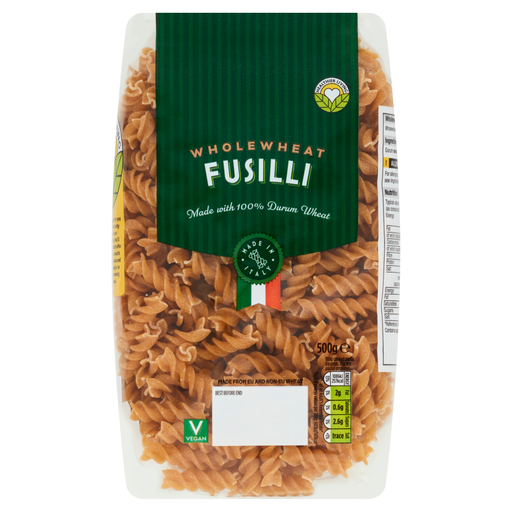 Image unavailable
Consider this for a wholewheat preference when a short spiral shape also fits the planned sauce. It is a 500g pack; wholewheat contains wheat, so check the current label if anyone eating needs to avoid wheat or gluten.
 Image unavailable
This 500g fusilli is a standard short-pasta option for a dish planned around a sauce. Check the current ingredients and allergy information before serving it to anyone with a dietary restriction.
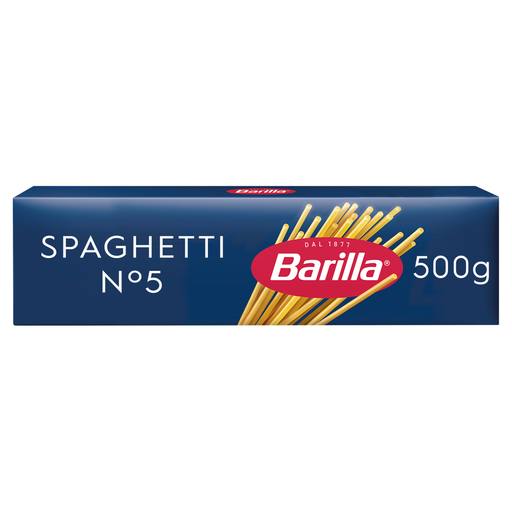 Image unavailable
Choose this 500g spaghetti pack when the recipe calls for long strands rather than a short shape for a bake. Check the current pack for ingredients, allergy information and cooking directions.
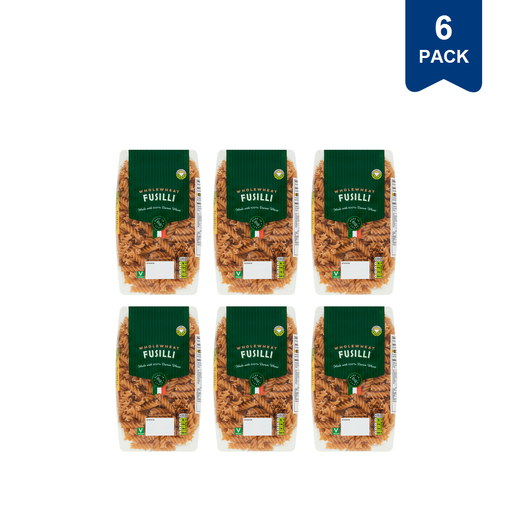 Image unavailable
This listing is for wholewheat fusilli when you are considering several packs for planned meals. The title describes six 500g packs, but the quantity information conflicts; confirm the pack count and net quantity before ordering. Wholewheat contains wheat.
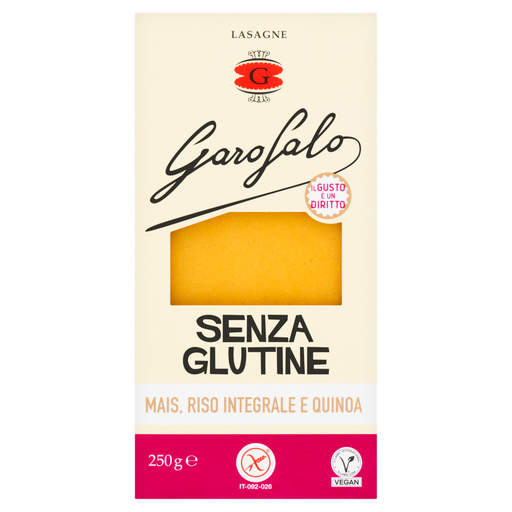 Image unavailable
This 250g lasagne-sheet option is labelled gluten-free and is a different format from the short shapes above. For a necessary restriction, check the current pack's complete ingredients and allergy statements; also follow its preparation directions for the planned bake.
Not if it is made from durum wheat semolina: Tesco lists wheat in its standard penne. Choose an appropriately labelled alternative and check its current pack before serving; M&S, for example, lists a Made Without Gluten, Wheat and Egg Penne made from cornflour and rice flour.
Start with the recipe, then consider a short shape if it suits the dish. Tesco describes the hollow centre and ridges of its penne as holding sauce, while Barilla describes fusilli spirals as catching it.
Use the chosen pack's serving guidance as a starting point and adjust the amount to the meal and the people eating. Tesco gives approximately 75g per person for its cited penne; that figure is product guidance, not a fixed amount for every dish.
Yes, if you follow the selected product's storage directions and check its best-before date. Tesco and M&S instruct shoppers to keep their cited dried pasta products in a cool, dry place; check the individual pack for directions after opening.