Who this approach suits
These choices are centred on family meals for children with established food preferences, not on finding one shape that every child will accept.
Carers keeping meals familiar
If a child accepts particular shapes, textures or ways of serving food, begin with those preferences. The NHS and County Durham and Darlington NHS Foundation Trust both recognise that familiarity and sensory features can matter to selective eaters.
Families introducing one small change
A familiar pasta meal can provide a starting point for trying a different shape, sauce or wholewheat version in a small portion. NHS guidance supports offering new foods without pressure rather than expecting immediate acceptance.
Households checking dietary fit
Where wheat, gluten or egg must be avoided, choose by the exact pack’s ingredients and allergen statement, not by its shape or the retailer selling it. ASDA Groceries lists different allergen information for its standard Penne and Free From Penne.
What matters when choosing pasta
For a child who prefers familiar meals, settle the accepted shape and any dietary requirements before considering a change in flavour or presentation.
| Concern |
What to check |
Who this matters to |
| Familiar shape and texture |
Look for the specific shape the child already accepts; consider how it is usually served. |
When a child accepts only certain pasta shapes, keeping that part of dinner familiar can avoid an unwanted change. About 42% of consumers put familiar shape, texture and presentation first. |
| Gradual variety |
Choose one new element, such as a shape or wholewheat version, to offer in a small portion beside familiar food. |
If a family wants to widen an established pasta routine without pressure, a small trial leaves the usual meal recognisable. Gradual variety is the primary need for about 25% of consumers. |
| Repeatable preparation |
Compare the pack’s cooking instructions and serving guidance for the shape you plan to keep in the cupboard. |
For a busy meal, knowing how to prepare an accepted pasta makes the routine easier to repeat. About 17% of consumers primarily want that preparation to be predictable. |
| Dietary fit |
Read the current pack’s ingredients and allergen statement; check sauces and toppings separately. |
When someone must avoid a particular ingredient, a familiar shape is useful only if the whole meal meets that requirement. Checking dietary fit comes first for about 16% of consumers. |
County Durham and Darlington NHS Foundation Trust identifies shape and texture among features that can affect a child’s food preferences. For a dietary comparison, ASDA Groceries identifies wheat in its standard Penne, while its separately labelled Free From Penne is described as free from cereals containing gluten and eggs. Check the current pack before serving either product.
Brands and ranges to consider
These ranges illustrate different shapes and dietary variants; a brand name alone cannot tell you whether a particular pasta suits the child or meets an allergen requirement.
Barilla
Barilla’s UK range includes standard durum-wheat spaghetti, wholewheat spaghetti and a separate gluten-free range.
- Its named variants make it possible to choose between a familiar standard format and a deliberate change.
- Standard and wholewheat variants are wheat-based; check the exact variant rather than treating the ranges as interchangeable.
ASDA
ASDA Groceries lists standard durum-wheat Penne and a separately labelled Free From Penne.
- The two penne listings provide a clear example of why a similar shape can have different ingredients and allergen information.
- Standard Penne contains wheat; read the current label when choosing a free-from alternative.
M&S
The M&S range includes conventional, wholewheat, Made Without and playful pasta shapes, including Italian Alphabet Pasta.
- Alphabet pasta offers a different shape to try if a child is interested in it.
- A novelty shape is not a reliable way to secure acceptance. M&S states that its Italian Alphabet Pasta contains gluten and is not suitable for people with an egg allergy.
Tesco
Tesco Groceries groups dried pasta by formats including long pasta, twists, shells, wholewheat and free-from choices.
- The format categories can help narrow a search to a shape the child already accepts.
- Check the chosen product’s current pack for its ingredients and allergen information.
Joybuy spaghetti options
These dried spaghetti packs are options if spaghetti is already a shape the child accepts. Check the pack for dietary suitability before choosing either pack size.
 No image available
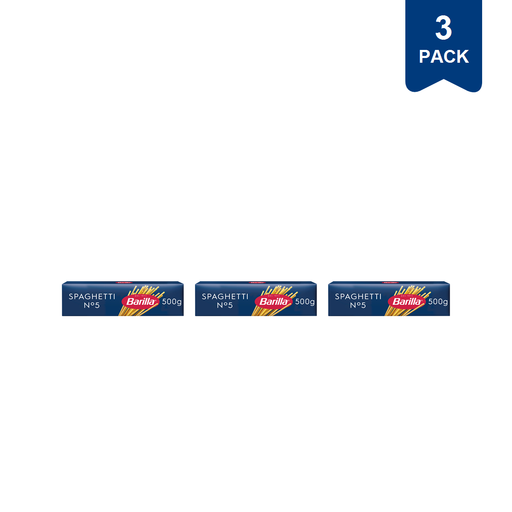
Barilla Spaghetti, 3 × 500 g
Consider this three-pack if spaghetti is already part of the child’s familiar meals. Check the current packs’ allergen statements if wheat, mustard or soya matters to your household.
View on Joybuy
 No image available
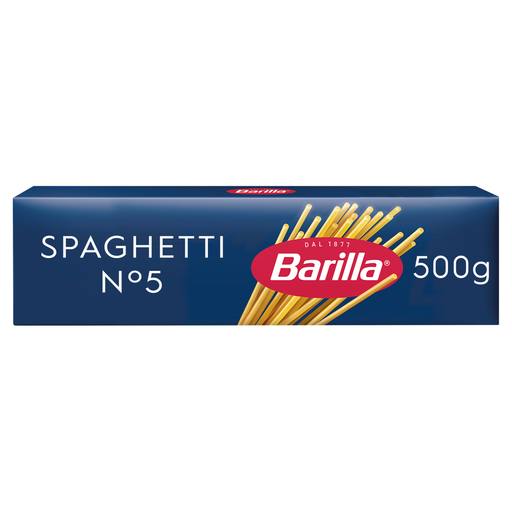
Barilla Spaghetti, 500 g
This single pack is another option where spaghetti is an accepted shape. Read its current allergen statement before serving, particularly if wheat, mustard or soya is relevant.
View on Joybuy
Questions about dried pasta
Will a fun pasta shape help a fussy eater accept dinner?
Not necessarily: a new shape can itself be an unwanted change for a child who prefers familiar food. County Durham and Darlington NHS Foundation Trust identifies shape among the features selective eaters may notice. Start with an accepted shape, and offer a novelty shape separately in a small portion if you want to try it.
Should I switch straight to wholewheat pasta?
If the child already accepts its flavour and texture, wholewheat may fit the usual meal. Otherwise, treat it as a new food and try a small amount alongside familiar pasta; its fibre content does not predict acceptance.
How can I serve a different pasta without changing the whole meal?
Keep the accepted food available and offer a small amount of the new pasta separately, without pressure to eat it. NHS guidance notes that children may need repeated opportunities to become familiar with a food.
Is dried pasta always suitable when avoiding gluten or egg?
No. ASDA Groceries identifies wheat in its standard Penne, while its Free From Penne is labelled free from cereals containing gluten and eggs. Read the current label of the exact pasta and check every sauce or topping as well.
How much dried pasta should I serve for a small food trial?
Use the pack’s serving guidance for meal planning, then offer a smaller portion when introducing an unfamiliar food. The NHS advises small portions for fussy eaters; a pack’s general serving suggestion is not a requirement for a child to finish that amount.


