Everyday meal planners
If pasta appears in your regular meals, choose shapes that fit the sauces and bakes you actually make. ASDA describes its fusilli as suitable for a variety of sauces and oven bakes.


Start with a dried pasta shape you regularly use, then add wholewheat pasta if you want that ingredient and flavour, or a specifically labelled alternative if someone needs to avoid wheat or gluten. Match shapes to planned dishes, and check the current pack’s ingredients, storage instructions and best-before date before stocking several packs.
If pasta appears in your regular meals, choose shapes that fit the sauces and bakes you actually make. ASDA describes its fusilli as suitable for a variety of sauces and oven bakes.
If you want wholegrain pasta among your cupboard staples, look for wholewheat in the product name and ingredients. The NHS includes wholewheat pasta among its examples of wholegrain choices.
If someone needs to avoid wheat or gluten, the pasta category alone is not enough to establish suitability. Standard Tesco and ASDA examples contain wheat, while specifically labelled alternatives require their own on-pack check.
Decide what will be cooked most often before adding a different shape, ingredient type or dietary alternative to the cupboard.
| Concern | What to check | Who this matters to |
|---|---|---|
| Repeat cupboard meals | Check pack size, cooking guidance and whether you will use the shape often enough to stock several packs. | I want pasta I can use regularly without leaving spare packs untouched. About 36% of consumers put dependable everyday stocking first. |
| Shapes for planned dishes | Match long strands to the sauces you make; consider twists for sauces and bakes. ASDA describes its fusilli for both uses. | If I cook different pasta dishes, a small choice of shapes matters more to me than multiples of one format. Roughly 29% of consumers make dish versatility their primary concern. |
| Wholegrain preference | Look for wholewheat in the ingredients and compare fibre figures on the exact pack using the same per 100g or per serving basis. | I want some of my usual pasta meals to use wholewheat pasta, provided I like its flavour and texture. Around 21% of consumers prioritise that wholegrain choice. |
| Wheat and gluten suitability | Read the current ingredients, allergen information and any relevant precautionary statements; select a product labelled for the required diet. | When someone in my household must avoid wheat or gluten, suitability takes priority over shape. About 14% of consumers put that requirement first. |
Standard wheat pasta, wholewheat pasta and specifically labelled alternatives do not meet the same ingredient requirements. The checked Tesco and ASDA standard products contain wheat.
Choose the ingredient type for the household first, then read the current label of the exact pack.
GOV.UK identifies dried pasta as a food carrying a best-before date. Storage directions also matter once a pack is opened.
Buy quantities that fit your usual meals, rotate packs by date and follow the pack’s instructions for opened pasta.
Packs that are stored poorly or remain unused can lose quality or go to waste.
A shape you rarely use can occupy cupboard space while you keep reaching for another. ASDA describes fusilli as a shape for varied sauces and pasta bakes.
Start with shapes that suit dishes you already plan to cook, then add others when you have a use for them.
Ingredients and allergen information can change. Tesco and ASDA advise shoppers to check the current product information.
Read the pack you receive, particularly when wheat, gluten or another ingredient affects whether you can use it.
These ranges offer different ingredient types and shapes to check; a brand name alone does not establish the specification of an individual pack.
Barilla’s UK range includes standard, wholewheat and gluten-free pasta lines.
Tesco lists standard, wholewheat and organic dried spaghetti within its own-brand range.
ASDA lists standard and wholewheat fusilli for shoppers comparing the same shape across ingredient types.
M&S lists specialist pasta lines, including Made Without Wheat products and selected bronze-die shapes.
These Joybuy selections cover fusilli for regular meals, a wholewheat fusilli option, spaghetti and gluten-free lasagne sheets. Choose according to the dishes and ingredient requirements in your household.
 No image available
Consider this 500g fusilli pack if twists fit the sauces or bakes you make regularly. Check the current pack’s ingredients and allergen information if wheat matters to your household.
 No image available
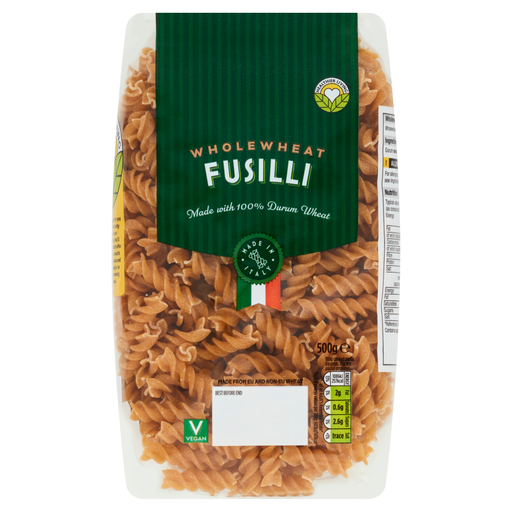
This 500g wholewheat fusilli is a choice for meals where you want wholewheat pasta in a twist shape. Wholewheat still contains wheat; check the current pack for dietary suitability.
 No image available
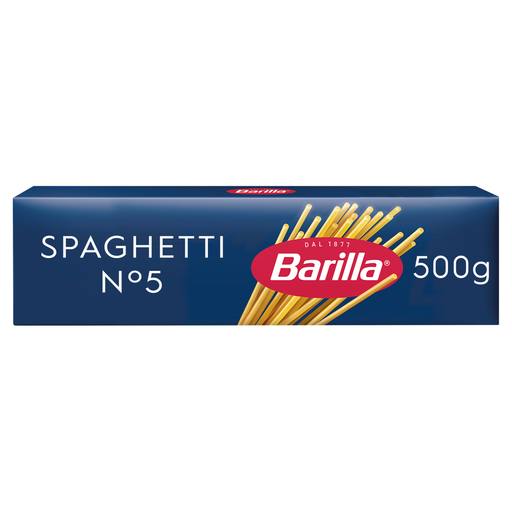
Choose this 500g spaghetti pack if long strands suit the pasta dishes you plan most often. Check its current ingredients and allergen statement before buying for a dietary requirement.
 No image available
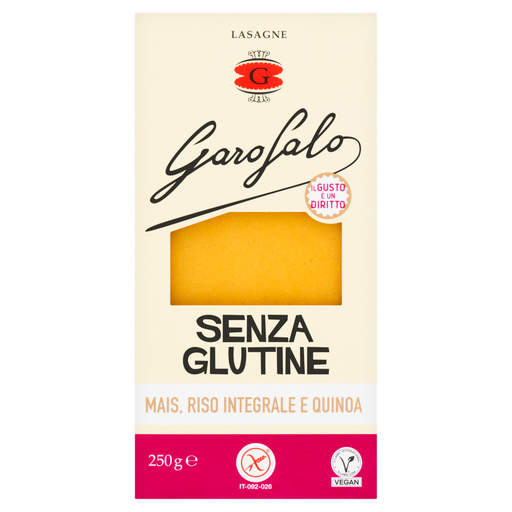
This 250g gluten-free lasagne is a meal-specific alternative rather than an everyday short pasta shape. For dietary needs, confirm the current ingredients and allergen or cross-contact statements, and follow the pack’s preparation instructions.
A best-before date concerns quality: GOV.UK includes dried foods such as pasta among products carrying one. Follow the pack’s storage instructions and assess the pasta’s condition before using it after that date.
Follow the instructions on your pack. Tesco’s checked organic spaghetti listing says to keep opened pasta in an airtight container in a cool, dry place; ASDA’s checked listings advise resealing and cool, dry storage.
Do not assume so: the checked standard dried-pasta examples from Tesco and ASDA contain wheat. Select a product specifically labelled for your requirement and read its current ingredients, allergen information and any relevant precautionary statements.
Start with the portions and meals you expect to make, using the selected pack’s guidance rather than a universal amount. ASDA’s checked fusilli listings use 75g dry pasta as a portion guide; the amount you use may differ with the recipe and other dishes served.