Families stocking up for repeat lunches
If pasta will appear in several holiday meals, consider which shapes suit the sauces, bakes or cold dishes you plan to make, and whether you can store and use the pack size you choose.


For repeat school-holiday lunches, a short dried pasta such as fusilli can cover sauces, bakes and cold dishes; choose wholewheat when fibre is a priority and wheat suits the household. If someone needs to avoid gluten, choose a specifically labelled product and check its ingredients and allergen statement. Protein-enriched pasta is a separate option, not necessarily a wheat-free one.
If pasta will appear in several holiday meals, consider which shapes suit the sauces, bakes or cold dishes you plan to make, and whether you can store and use the pack size you choose.
Wholewheat pasta is a way to choose a wholegrain starchy food, as described in NHS guidance. It still contains wheat, so it does not meet a wheat-free or gluten-free requirement.
Where a lunch must avoid gluten or wheat, the exact product's ingredients and allergen statement matter more than its shape or brand. Check the current pack before using it.
Choose the required dietary type first, then consider how many lunches the pack needs to cover and which shape fits the meals you make.
| Concern | What to check | Who this matters to |
|---|---|---|
| Pack size for repeat lunches | Check pack weight, serving guidance and whether you have suitable cupboard space. | If pasta is planned for several lunches, I want enough for the meals without buying more than I can use or store. About 36% of consumers put repeat-lunch quantity first. |
| Shape for different meals | Consider a short shape such as fusilli or penne for the sauces, bakes and cold dishes you plan; follow its pack cooking instructions. | When the lunch plan changes from sauce to bake or salad, one familiar shape is convenient. Meal flexibility is the primary concern for about 29% of consumers. |
| Wholewheat choice | Confirm the wholewheat designation and read the product's cooking guidance. | If I want a wholegrain pasta and wheat is suitable for everyone eating it, that choice comes before shape or pack size. About 21% of consumers prioritise the wholewheat route. |
| Gluten or wheat suitability | Read the exact ingredients and allergen statement; where gluten-free pasta is needed, check for that label. | A lunch must meet the eater's dietary requirement before any other feature matters. Confirmed gluten or wheat suitability comes first for about 14% of consumers. |
Wholewheat pasta is made with wheat. Sainsbury's Wholewheat Penne, for example, lists durum wholewheat semolina as an ingredient.
Make the wholegrain and allergen decisions separately: check the current pack and choose a specifically labelled gluten-free product where required.
Pasta comes in different pack sizes, so a larger pack only helps with repeat lunches if you have room to store it and expect to use it.
Check the stated weight and servings against your lunch plans before choosing a single pack or multipack.
Barilla lists both durum-wheat semolina and pea protein in its Protein+ Fusilli. Its protein content does not establish suitability for someone avoiding wheat.
Check protein information and allergen suitability separately on the exact product label.
Cooking instructions belong to the particular product and can differ between shapes and ranges.
Follow the pack directions and check the pasta's texture towards the end of the stated cooking time.
Own-label dried-pasta ranges include ordinary, wholewheat and free-from categories.
Own-label options include standard, wholewheat and free-from pasta, alongside different pack sizes.
Dried-pasta ranges include classic, wholewheat, gluten-free and protein-enriched lines.
Its Foodhall storecupboard range includes dried pasta formats such as penne and orzo.
These selections cover standard and wholewheat fusilli for repeat lunches, plus a spaghetti multipack for sauce-based meals. Check the pack label if you need a gluten-free lunch.
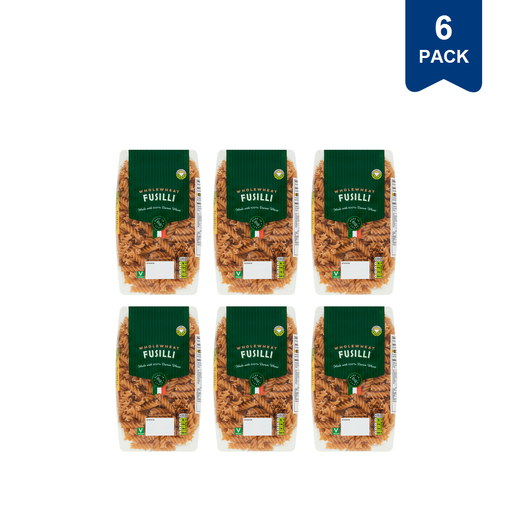 No image available
For several lunches where wholewheat pasta suits the household, this bundle contains six 500g packs of fusilli. Wholewheat contains wheat; check the current allergen label if dietary suitability matters.
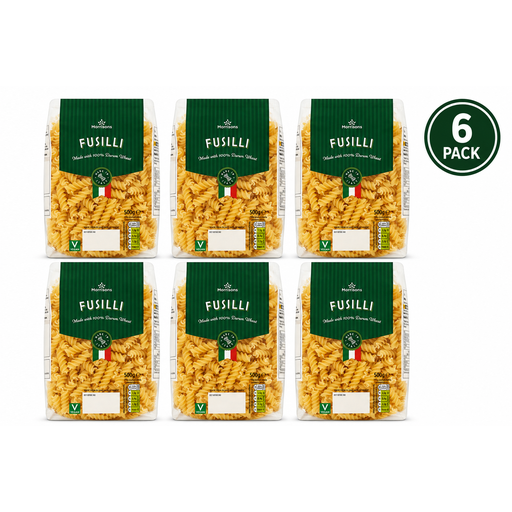 No image available
For repeated lunches using a standard short pasta, this bundle contains six 500g packs of fusilli. It contains wheat, so check the current pack if a dietary restriction applies.
 No image available
For a household trying a standard short pasta before choosing a multipack, this is a single 500g pack of fusilli. It contains wheat; follow the pack's cooking and allergen information.
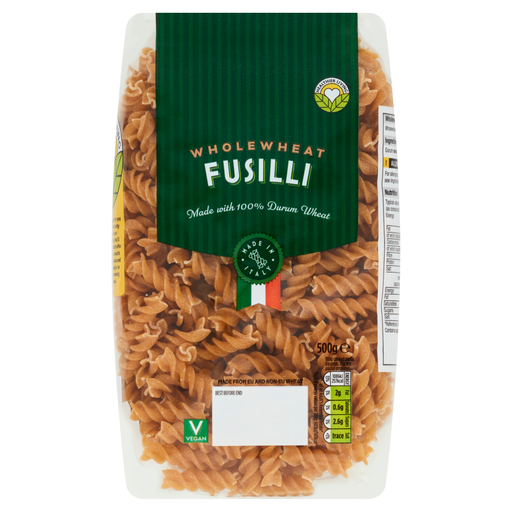 No image available
For a wholewheat lunch without committing to the six-pack, this is a single 500g pack of fusilli. It contains wheat, so it is not a gluten-free substitute.
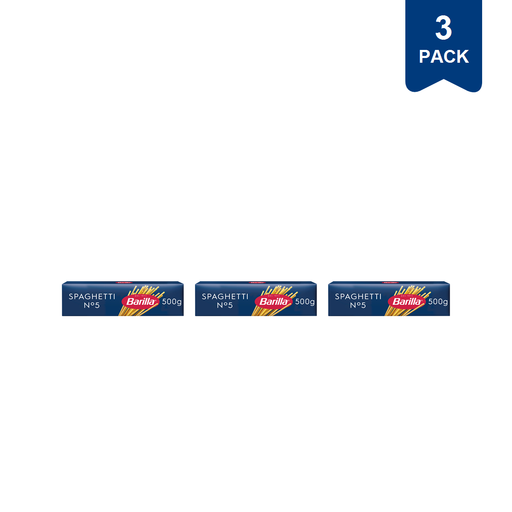 No image available
For sauce-based lunches using a long pasta shape, this listing describes a three-pack of spaghetti. Confirm the weight of each pack and the bundle's total weight before planning several meals. It contains wheat; check the current allergen label if relevant.
Do not assume it is: conventional durum-wheat and wholewheat products contain wheat. Where gluten-free pasta is required, choose a specifically labelled product and read its current ingredients and allergen statement.
Choose wholewheat when a wholegrain pasta is a household priority and everyone eating it can have wheat. NHS guidance identifies wholewheat pasta as a higher-fibre starchy-food choice; follow the particular pack's cooking instructions.
Start with your pasta pack's serving guidance and consider whether pasta is the main part of the meal. Dolmio suggests 100g of dry pasta per person alongside one of its sauces, but that is a product-specific suggestion rather than a rule for every lunch.
Follow the pack's storage directions. M&S and Barilla advise a cool, dry place for their dried pasta; keep the label available if someone in the household needs to check ingredients or allergens.