Low-fat meal planners
You want a dried pasta that fits your plans, but also need to consider the sauce and other ingredients in the finished dish.


Choose dried pasta by comparing fat per 100g on the pack: the NHS describes 3g or less per 100g as low fat, and Barilla Spaghetti N°5 lists 2.0g per 100g. If protein or fibre also matters to you, compare those figures too. Check the sauce and other additions separately before judging the finished meal.
You want a dried pasta that fits your plans, but also need to consider the sauce and other ingredients in the finished dish.
You want to compare protein and fibre as well as fat. M&S publishes all three per-100g figures for its High Protein Spaghetti, giving you a way to assess that option alongside conventional pasta.
You need to read the current pasta and sauce labels before choosing. GOV.UK guidance explains the highlighted allergen information on applicable pre-packed foods.
Start with the pasta’s fat per 100g, then assess the sauce and additions. Protein, fibre and ingredients can help you choose between pasta types that meet your requirements.
| Concern | What to check | Who this matters to |
|---|---|---|
| Fat in the finished meal | Compare fat per 100g on the pasta and sauce labels; account for cheese, oil or meat added to the dish. The NHS describes 3g fat or less per 100g as low fat. | If you are planning a low-fat pasta meal, the sauce and additions matter as much as the dried pasta you choose; about 50% of consumers put finished-meal fat first. |
| Protein and fibre | Compare protein, fibre and fat per 100g on the exact pasta packs, then read the ingredient lists. | If you want the pasta itself to contribute protein or fibre, those figures can change which formulation you pick; roughly 30% of consumers make this their primary concern. |
| Ingredients and allergens | Read the current ingredient list and highlighted allergens on both pasta and sauce, particularly when wheat or gluten affects suitability. | When an ingredient or allergen determines what you can use, label suitability comes before other preferences; around 20% of consumers place it first. |
Sauce can change the meal substantially: Dolmio lists less than 0.5g fat per 100g for its Low Fat Bolognese Sauce, but 6.1g per 100g for its Sweet Pepper Stir In Sauce.
Check the pasta, sauce and any cheese, oil or meat separately before assessing the recipe.
A serving figure may not match the amount you intend to cook. Fat per 100g gives you a consistent starting point when comparing labels.
Check whether each figure describes dry pasta, cooked pasta or sauce, then use your intended amounts to assess the meal.
Conventional pasta and alternative formulations can have different ingredient lists. Ingredients also matter when choosing a sauce.
Read the current packs for ingredients and highlighted allergens, especially if you need to avoid wheat, gluten or another ingredient.
Barilla Spaghetti N°5 provides a conventional dried-pasta reference when comparing fat per 100g.
M&S High Protein Spaghetti is a pasta option to compare when protein and fibre also matter to you.
Dolmio is relevant here for the sauce you serve with dried pasta, rather than for the pasta itself.
These dried-pasta selections include spaghetti, gluten-free-labelled lasagne and wholewheat fusilli. Compare the current pack’s fat figure on the correct dry or cooked basis before using it for a low-fat meal.
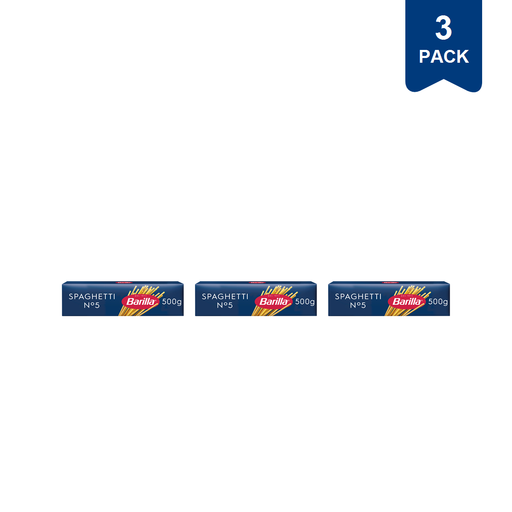 No image available
This three-pack suits a cupboard supply of spaghetti if you plan to check each meal’s pasta and sauce separately.
Check the current pack’s fat per 100g and ingredients before choosing it for a low-fat meal.
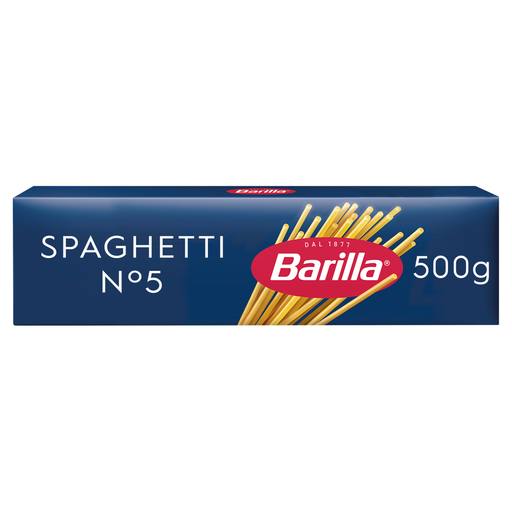 No image available
This single pack is an option when you want spaghetti without the three-pack bundle.
Use the current pack’s nutrition panel to assess its fat per 100g; do not assume it is the same variant as Barilla Spaghetti N°5.
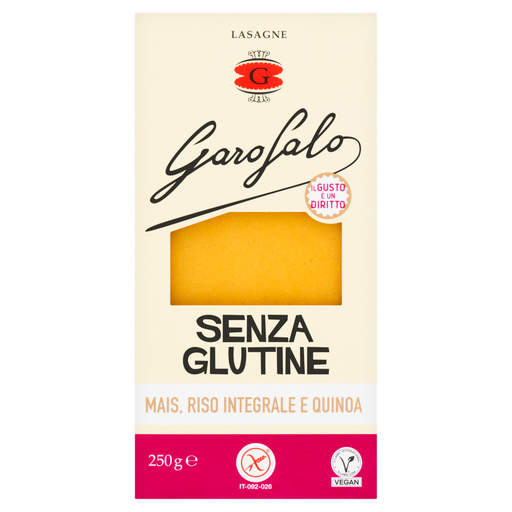 No image available
Consider this lasagne if you want a gluten-free-labelled pasta shape, while checking the current pack if allergen suitability is important to you.
Read its cooking instructions and assess the sauce and other layers separately when planning the dish.
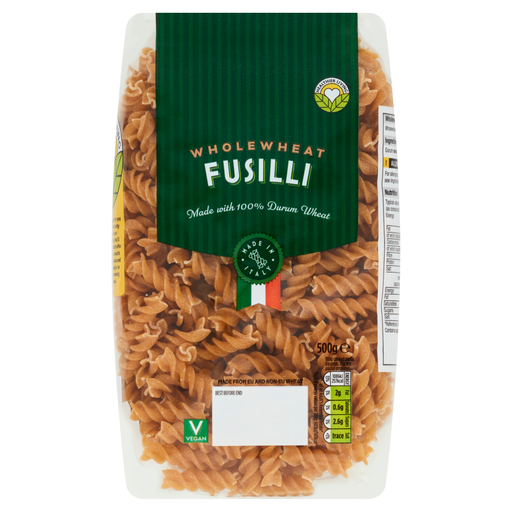 No image available
This is a wholewheat fusilli option if you prefer that pasta type for your recipe.
Check whether the pack’s nutrition figures describe dry or cooked pasta before comparing its fat per 100g with another product; check the ingredients if wheat affects suitability.
The NHS describes food with 3g total fat or less per 100g as low fat. Check that the figure you use refers to the dry pasta you are comparing, and assess any sauce separately.
Yes, a particular product can meet the NHS per-100g guideline: Barilla lists 2.0g fat per 100g for Spaghetti N°5. Check the exact pack you buy, then account for the sauce and other additions in the meal.
Sauces can have different fat figures. Dolmio lists less than 0.5g per 100g for its Low Fat Bolognese Sauce and 6.1g per 100g for its Sweet Pepper Stir In Sauce, so check the nutrition panel of the sauce you intend to use.
Read the current ingredient lists and highlighted allergens on both the pasta and sauce. GOV.UK guidance explains that the allergens required to be declared on applicable pre-packed foods are emphasised in the ingredients list; a product name alone is not a substitute for checking the pack.