Carers stocking backup meals
A dried pasta-and-sauce product may be useful when someone can safely use its required preparation method, independently or with a carer’s help. It still needs the additions and cooking steps stated on the pack.


A complete dried pasta-and-sauce product can be a storecupboard meal alongside meals on wheels when the person or a carer can prepare it safely and the finished meal suits the eater’s needs. A dry recipe mix needs more ingredients and cooking; if the person cannot shop for, prepare or cook a meal, delivered-meal support is more relevant than an unprepared packet.
A dried pasta-and-sauce product may be useful when someone can safely use its required preparation method, independently or with a carer’s help. It still needs the additions and cooking steps stated on the pack.
Ingredients, allergens and the finished pasta texture matter when choosing food for someone with individual dietary or eating needs. For swallowing difficulties, follow the person’s assessed guidance rather than assuming a standard packet meal is suitable.
A complete dried pasta meal, a dry recipe mix and a wet stir-in sauce call for different ingredients and preparation. Check which part of the meal the product actually supplies.
Decide who will prepare the meal and whether its ingredients and texture fit the eater’s needs before choosing between packet formats.
Consider it when: A person or carer can prepare a meal containing both dried pasta and sauce mix.
Bear in mind: It still requires the stated additions, heating and safe handling.
Consider it when: The household has the other ingredients and wants a mix for a cooked pasta dish.
Bear in mind: The mix alone is not a complete meal; the Schwartz bolognese instructions listed by Tesco Groceries also call for mince, vegetables, tomatoes and spaghetti.
Consider it when: Cooked pasta is available and the household wants a sauce without mixing a dry one.
Bear in mind: Tesco Groceries describes the Dolmio sun-dried tomato stir-in product as a sauce for hot pasta, not a dried pasta meal.
Consider them when: The person cannot shop for, prepare or cook a meal; the NHS says a council may be able to help with ready meals delivered at home.
Bear in mind: A packet meal still needs someone to prepare it and is not a substitute for support the person requires.
| Concern | What to check | Who this matters to |
|---|---|---|
| Individual food needs | Read the current ingredients and allergen panel. Check any individual dietary or texture guidance. | If I am buying for someone with an allergy or difficulty eating ordinary pasta, suitability comes before convenience. About 29% of consumers put this individual fit first. |
| Preparation effort | Check the required appliance, additions and steps for handling hot food. | When the person preparing the meal has limited cooking capacity, I need a method they can manage safely. For about 29% of consumers, manageable preparation is the primary concern. |
| Storecupboard storage | Follow the unopened pack’s storage instructions and distinguish its best-before date from any use-by date. | For a cupboard backup, I want to know how to store the pack and when to use it. Clear storage and date instructions come first for about 24% of consumers. |
| Product format | Check whether pasta is included, what else must be added and whether the sauce is dry or wet. | If I already have ingredients and time to cook, a recipe mix may fit; otherwise I need to know what constitutes the meal. Choosing the right format is the main concern for about 18% of consumers. |
A dried pasta-and-sauce product includes pasta, while a recipe mix needs other ingredients and a wet sauce may simply contain sun-dried tomatoes.
Read the product description and preparation instructions to establish what is included before choosing a format.
A recipe mix can require extra ingredients and preparation time.
A packet meal may still require measured water, heating and handling a hot container; some varieties also call for milk.
Check the exact pack’s method against the equipment available and the ability of the person preparing it.
A vegan or vegetarian description does not settle allergen suitability, and standard pasta texture should not be assumed suitable for someone with swallowing difficulties.
Read the current allergen information and follow the person’s care guidance. The NHS advises contacting a GP if someone has difficulty swallowing.
An unopened dried product and an opened jar can have different storage instructions. GOV.UK distinguishes quality-related best-before dates from safety-related use-by dates.
Follow the particular product’s storage, opening and date instructions.
Marks & Spencer instructs customers to refrigerate its Classic Tomato Everything Sauce after opening and eat it within three days.
Tesco Groceries lists its own-label Tomato Onion & Herb Pasta as dried pasta with a tomato, onion and herb sauce.
Its Pasta ’n’ Sauce range includes dried pasta with sauce mix; Tesco Groceries describes the Tomato, Onion & Herb product in that format.
Its Spaghetti Bolognese Recipe Mix is a dry mix for cooking a dish, not a complete pasta-and-sauce meal.
The sun-dried tomato stir-in product listed by Tesco Groceries is a wet sauce for hot cooked pasta, not a dried sauce sachet.
Sainsbury’s Groceries lists Napolina dried spaghetti, which can form the pasta part of a separately prepared meal.
Marks & Spencer describes a range of jarred pasta sauces, a different format from dry pasta-and-sauce packets.
These Joybuy options are pasta products with sauce in the same pack for a storecupboard meal. Choose by the preparation the household can manage, and check the current pack against the eater’s food and texture requirements.
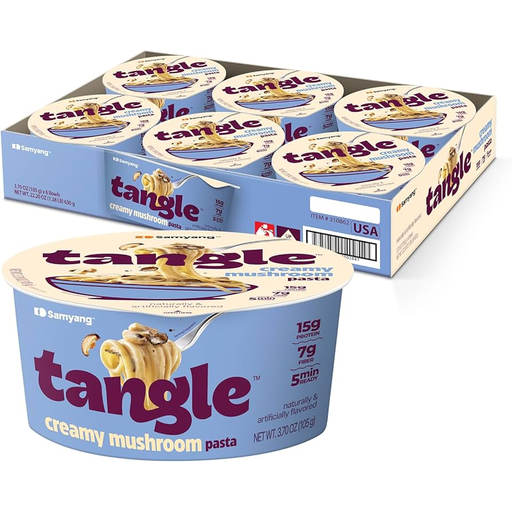 No image available
Consider this multipack when several cupboard portions are useful and a microwave meal is practical. Check that the person preparing it can measure water and handle the hot bowl; check the current pack’s allergens and whether the finished texture suits the eater.
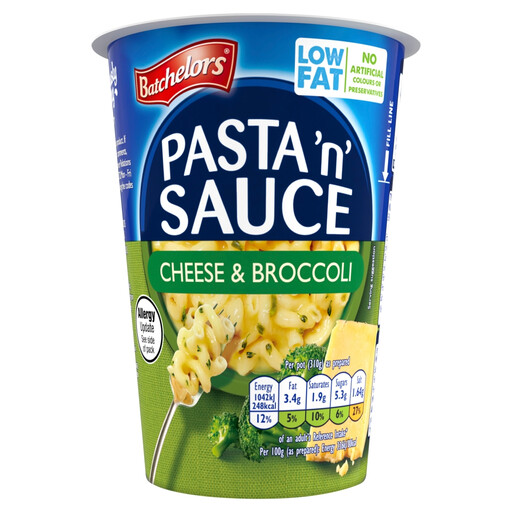 No image available
This pasta-and-sauce pot is an option where hot-water preparation can be managed. Check the pack for the water quantity and full method before relying on it as a backup meal, and review its milk and wheat allergen information for the intended eater.
 No image available
Consider this pasta-and-sauce bowl if a hot-water meal fits the household’s preparation routine. The vegan description does not establish allergen suitability: check the current pack, including its wheat information, and follow its directions for water and standing time.
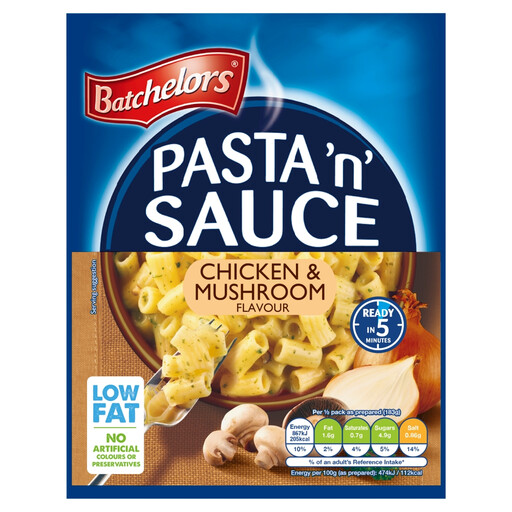 No image available
This dried pasta-and-sauce packet suits a cupboard-meal plan only if milk is available as well as the equipment and help needed for hot preparation. Follow the pack for quantities and method, and check its milk and wheat allergen information.
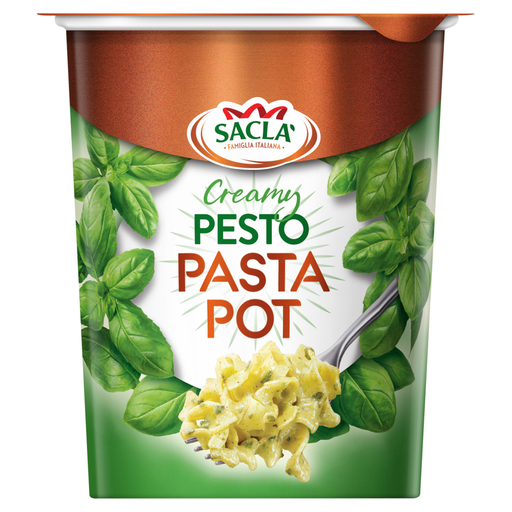 No image available
This pasta pot is a possible cupboard option, but confirm the instructions on the actual pack before choosing it for someone with a particular appliance or assistance arrangement. Its preparation descriptions differ, so do not assume either a boiling or a pour-and-wait method; check the current allergen panel too.
Not necessarily: “sun-dried” can describe the tomatoes rather than the sauce format. The Dolmio stir-in product listed by Tesco Groceries is a wet sauce for hot pasta; check whether any product includes dried pasta, supplies only a recipe mix or is ready to use.
A sachet is not a replacement when the person needs help obtaining or preparing a meal and nobody can safely prepare it for them. The NHS says a council may be able to help arrange delivered ready meals for someone who cannot shop for, prepare or cook a meal.
Do not assume ordinary packet pasta has a suitable texture. The NHS advises contacting a GP about difficulty swallowing; follow the person’s assessed dietary or texture guidance when selecting a meal.
Follow the storage instructions and date printed on its pack. GOV.UK explains that best-before dates concern quality, while use-by dates concern food safety; storage instructions for a dry packet should not be applied to an opened wet sauce.
Read the current product’s ingredients and allergen statement rather than relying on its flavour or a general dietary label. For the intended eater, check both ingredients and any stated cross-contact warnings before deciding whether the meal is suitable.