
24/7 Customer Support

Free returns

Same-day & Next-day Delivery

Quality Guaranteed

Unlock Your Welcome Offers: FREE Delivery | Up to 80% OFF | Free 30-day JoyPlus trial
Download the APP
Dried prunes can be a convenient desk snack, lunchbox addition or baking ingredient, but products sold under similar names can differ considerably. Some are simply dried plums, while others are preserved Chinese plum snacks containing sugar, salt, sweeteners and acidity regulators. Prune juice and fruit drinks also need a separate check because their fruit content and sweetening methods vary.
Before adding a pack to your basket, watch for three common buying pitfalls:
For a straightforward healthy dried fruit option, look for prunes or dried plums near the top of the ingredient list. Some products contain only fruit and a preservative such as potassium sorbate. Others include syrup, sugar, salt, flavourings, acidity regulators or sweeteners.
The term pitted prunes means the stones have been removed, making them easier to eat and use in porridge, yoghurt, baking or stews. However, some packaging still advises that small pit fragments may occasionally remain, so chew carefully, particularly when serving children.
If you are avoiding added sugar, compare the ingredient list rather than relying only on front-of-pack wording. For example, the J.ZAO Prebiotic Pitted Chilean Prunes list plums and low-polymer isomaltose, with plums stated at 99%. By contrast, Three Squirrels Prebiotic Dried Prunes contain prunes, high-fructose syrup and sweeteners.
Dried fruit is concentrated, so compare products per 100g and consider the suggested portion size. Sugar, carbohydrate, fibre, salt and energy can vary widely between plain dried prunes, preserved plums and prune snacks.
Preserved Chinese plum snacks may be particularly salty. UME HOUSE Six-Ingredient Aged Preserved Plums list 8,991mg sodium per 100g, while UME HOUSE Soft Dried Plums list 9.4g salt per 100g. These figures make them quite different from everyday dried fruit, even though both are plum-based.
For drinks, check the fruit percentage, sweetener and serving volume. A prune juice product may contain only prune juice, while a prune-flavoured tea drink may combine a small amount of plum concentrate with tea, citrus juice and a sweetener. Products containing sorbitol or similar sweeteners commonly carry a warning that excessive consumption may have a laxative effect.
Choose based on how you will use the product:
Storage instructions also matter. Most dried products should be kept in a cool, dry place away from sunlight and sealed after opening. Juicy or juice-preserved products may require refrigeration after opening.
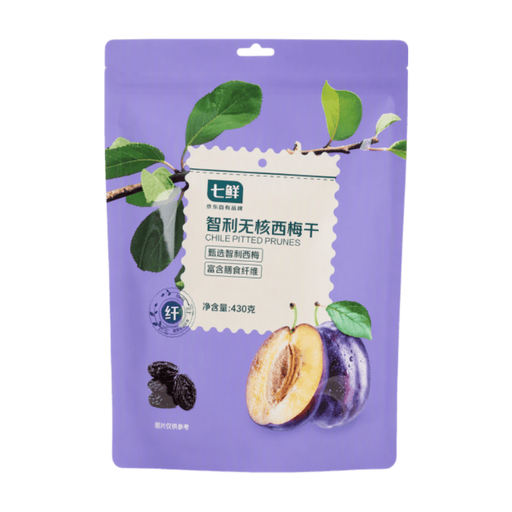
Why This Fits Their Persona: A 430g pack gives new shoppers a practical quantity for snacking, breakfast toppings and home baking without committing to individually portioned packs.
It is described as pitted dried plums rather than a heavily seasoned preserved plum snack, helping shoppers distinguish simple fruit from flavoured products.
430g pack; ready to eat; suitable for yoghurt, porridge and baking; listed at 0g salt per 100g.
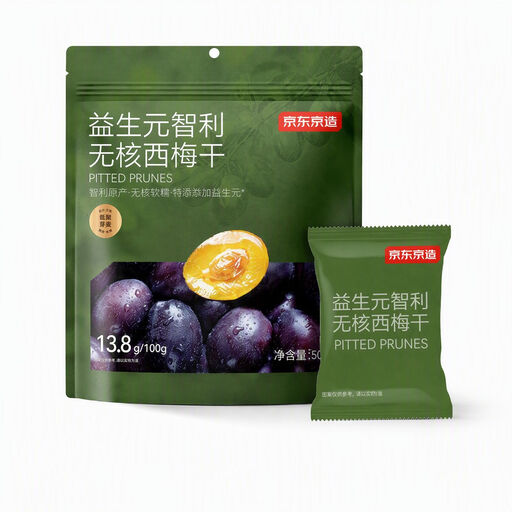
Why This Fits Their Persona: Suitable for shoppers prioritising a stated 99% plum ingredient level, pitted fruit and individual packaging for controlled, convenient snacking.
The ingredient list allows a direct check against added sugar, flavourings and colourings instead of relying on a vague “natural” message.
500g quantity; pitted; individually packed; ingredients list plums and low-polymer isomaltose.
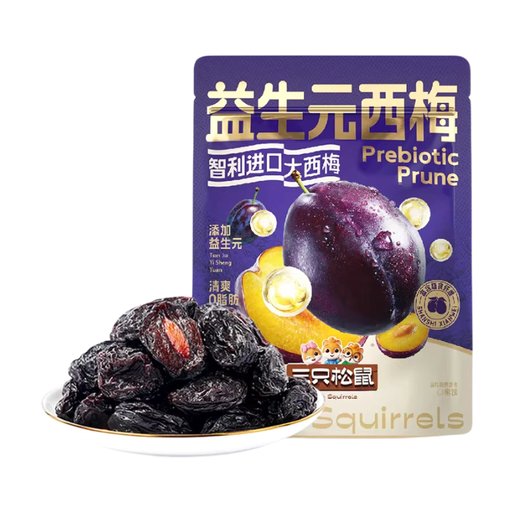
Why This Fits Their Persona: Individually wrapped soft dried prunes are easy to place in a work bag, lunchbox or travel pouch without opening a large bag during the day.
The label clearly identifies high-fructose syrup, sweeteners and prebiotic ingredients, so shoppers can make an informed choice rather than assuming it is plain fruit.
400g pack; individually wrapped; ready to eat; soft and moist texture; contains sweeteners as stated on the product information.
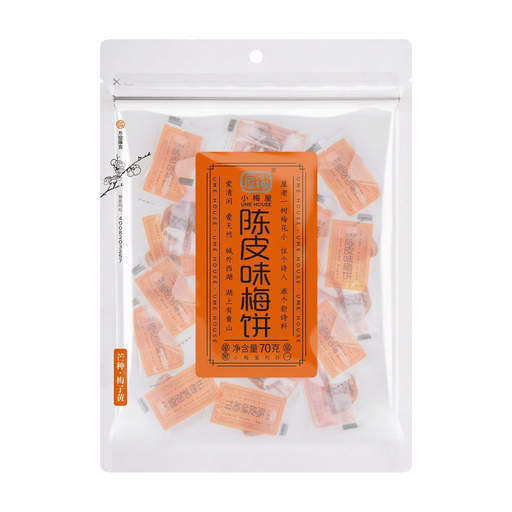
Why This Fits Their Persona: A compact option for shoppers seeking the aromatic sweet-sour character of green plum and tangerine peel rather than a plain dried fruit taste.
The product is positioned as a flavoured preserved plum, with sugar, salt, tangerine peel and additives listed openly rather than presented as an unseasoned prune.
70g pack; tangerine peel flavour; individually wrapped; ready to eat; allergen information lists none.
We have compiled a complete, real-time list of products that fully satisfy these strict selection criteria and UK safety regulations.
Yes. Prunes are dried plums, although packaging may use either term. Check whether the product is plain fruit or a preserved plum snack with added sugar, salt, flavourings or sweeteners.
Pitting removes the main stone, but some manufacturers advise that small fragments may occasionally remain. Chew carefully and follow the pack guidance, especially when offering prunes to children.
It depends on your routine. Prune juice is ready to drink and easy to carry, while dried prunes provide a chewable snack that can be added to breakfast or recipes. Check the juice ingredients, fruit percentage, sweeteners and storage instructions before buying.