
24/7 Customer Support

Free returns

Same-day & Next-day Delivery

Quality Guaranteed

Unlock Your Welcome Offers: FREE Delivery | Up to 80% OFF | Free 30-day JoyPlus trial
Download the APP
Dried prunes can be a convenient addition to porridge, yoghurt, baking and packed lunches, but product labels vary considerably. Some packs contain only dried fruit and a preservative, while others include sugar, sweeteners, salt or added fibre. Texture also ranges from soft and juicy to chewy and firm.
The most suitable option depends on how you plan to use it: everyday snacking, family sharing, recipes, travel or a quick alternative to confectionery. This guide explains the details worth checking before you buy dried prunes in the UK.
Prunes naturally contain sugar because drying removes much of the fruit’s water. A pack labelled no added sugar prunes may still show a substantial amount of sugar in the nutrition table.
Check both:
For example, a product can contain no added sugar but still be naturally sweet. Conversely, some soft dried prunes or flavoured dried plums may include white sugar, syrup or intense sweeteners.
Pitted prunes are more convenient for snacking and cooking, but pitting is not a guarantee that every fragment has been removed. Product packaging may advise chewing carefully, particularly when serving children.
Canned prunes in juice may carry a different warning. Princes Prunes With Juice 410g specifically states that it contains plum stones, so it should not be treated as equivalent to a pitted dried-fruit product.
Some prebiotic prunes include added fructo-oligosaccharides, polydextrose or other fibre ingredients. These are not the same as a plain dried prune. Read the full ingredient list to see whether the product also contains high-fructose syrup, sweeteners or acidity regulators.
The word “prebiotic” describes an ingredient or formulation; it should not be interpreted as a medical or therapeutic promise.
For a simple dried-fruit snack, look for prunes or plums near the beginning of the list. Potassium sorbate is used in several products as a preservative. Other packs may contain:
If you want a straightforward ingredient profile, compare the complete list rather than relying only on front-of-pack phrases.
Soft dried prunes are generally easier to eat directly from the pack and can be more suitable for porridge, yoghurt or blending. Partially rehydrated products may have a moist, tender texture, while traditionally dried fruit can be chewier.
A resealable 500g or 700g bag may suit regular household use, but smaller 90g–200g packs can help maintain freshness and make portioning easier. Once opened, follow the storage instructions. Some products require refrigeration and use within a stated period.
Use the per-100g panel to compare products consistently. Then check the total pack size and number of servings. A 400g bag of individually wrapped prunes offers portability and portion control, while a family-size pouch may provide better value for baking and breakfast use.
For drinks, compare:
Prune juice is convenient, but it is consumed differently from whole fruit. A juice pouch may be practical for travel, while whole dried fruit provides a chewable snack format.
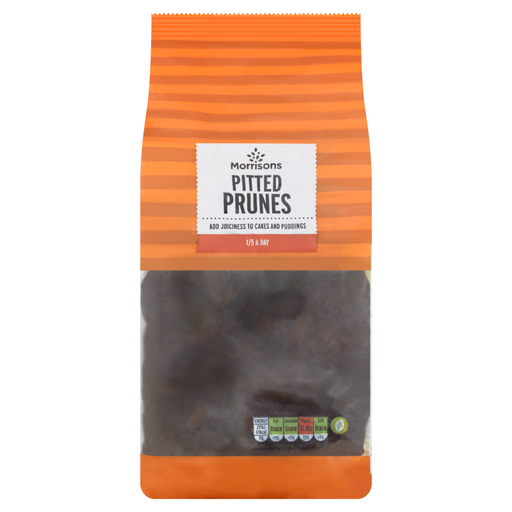
Why This Fits Their Persona: A generous bag suits households that want one adaptable product for snacking, breakfast and baking without buying several small packs.
The listed ingredients are pitted prunes and potassium sorbate, with no added sugar shown in the supplied product information. The pack still advises careful chewing.
500g quantity; ready to eat; suitable for porridge, cereal, yoghurt, cakes and savoury stews.
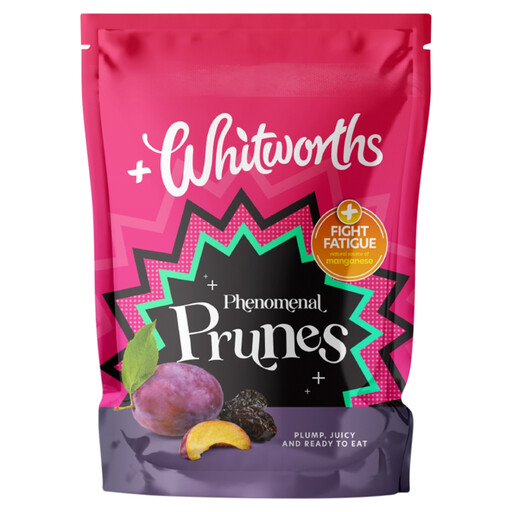
Why This Fits Their Persona: This smaller UK-market pack is convenient for shoppers who prioritise a moist snack texture and a recognisable everyday format.
The ingredient list identifies partially rehydrated prunes at 98%, rather than presenting a flavoured plum confectionery product as plain dried fruit.
190g snack-size pack; 7.3g fibre per 100g as listed; potassium sorbate is the stated preservative.
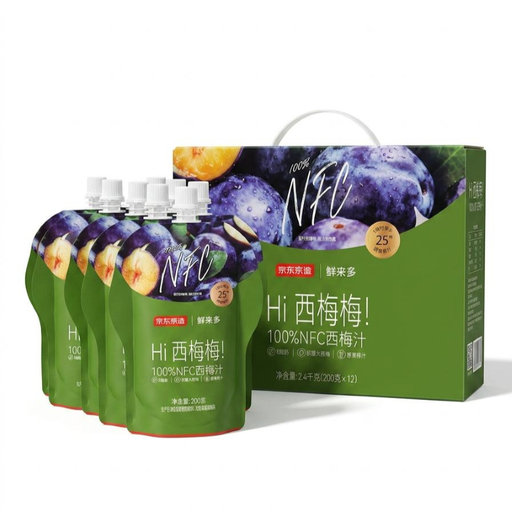
Why This Fits Their Persona: Twelve single pouches suit busy professionals, commuters and shoppers who prefer a ready-to-drink option instead of carrying whole fruit.
The product is listed as 100% prune juice with no sucrose, flavourings or preservatives. Compare its 65 kcal and 13.9g sugars per 100g with your intended serving.
Twelve 200g pouches; ready to drink; zero fat and zero salt listed per 100g.
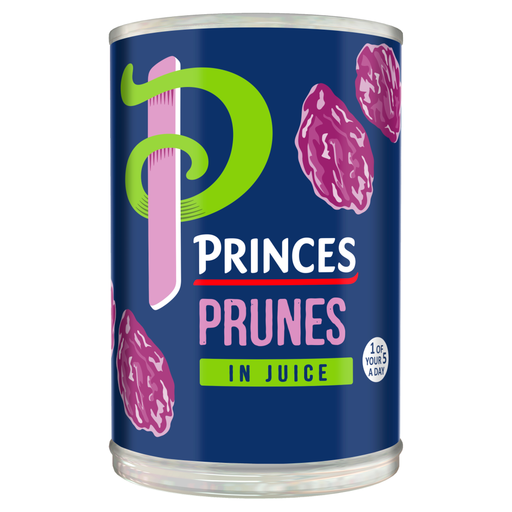
Why This Fits Their Persona: A canned format can be useful for breakfast recipes and cupboard storage when a spoonable fruit-and-juice option is preferred.
The ingredients list plums and apple concentrate, while the packaging warning clearly states that plum stones are present. This makes the key safety difference visible before purchase.
410g can; suitable for cereal and breakfast use; provides listed fibre of 3.0g per 100g.
We have compiled a complete, real-time list of products that fully satisfy these strict selection criteria and UK safety regulations.
Store unopened products according to the pack instructions. Reseal dried fruit carefully after opening, and refrigerate canned or juicy products when required. Check labels for serving guidance, sweeteners and stone warnings before sharing with children.
They can be used as one option among other high-fibre snacks, but portion size matters because dried fruit is concentrated compared with fresh plums. Compare the product’s nutrition panel and consider pairing a small serving with yoghurt, oats or nuts.
No product should be assumed to be completely free from fragments unless the packaging specifically supports that interpretation. Pitted products are designed for convenience, but manufacturers may still advise careful chewing. Products such as Princes Prunes With Juice explicitly state that stones are present.
Keep most dried prunes sealed in a cool, dry cupboard and protect them from moisture and heat. Some juicy or canned products require refrigeration after opening and should be consumed within the period printed on the packaging. Always follow the individual product instructions.