
24/7 Customer Support

Free returns

Same-day & Next-day Delivery

Quality Guaranteed

Unlock Your Welcome Offers: FREE Delivery | Up to 80% OFF | Free 30-day JoyPlus trial
Download the APP
Shopping for dried red dates in the UK can be less straightforward than it appears. Listings may use several names—Chinese red dates, dried jujubes, Xinjiang red dates and Hetian dates—while pack sizes, pit status and preparation instructions vary considerably.
The right choice depends on how you plan to use them. A soft, pitted pack may suit desk snacking, whereas whole dates can be more suitable for tea, soup or slow cooking. Before buying, check the label rather than relying on terms such as “premium” or “large”.
Some dried red dates are labelled ready to eat, while others are intended for cooking and must be washed and cooked thoroughly. These products are not interchangeable.
For example, a ready-to-eat product can be opened and eaten directly, but cooking-only jujubes may have different handling instructions. Always read the usage guidance on the packaging, particularly when buying in bulk for family meals.
Large Xinjiang red dates or Hetian dates can be visually appealing and may provide more flesh per fruit. However, size alone does not determine whether a product suits your recipe. Smaller or standard-grade dates may work perfectly well when chopped into porridge, baked goods or soup.
If presentation and direct snacking matter to you, larger whole dates may be worth considering. For blending, chopping or simmering, prioritise pack value, texture and preparation requirements.
Whole dates contain a stone, which needs to be removed before serving to children or chopping into recipes. Pitted red dates save preparation time, but may have a softer or less uniform shape after processing.
Dried fruit is naturally concentrated, so compare the nutritional panel rather than assuming that “natural” means low in sugar. Product labels in the supplied range show carbohydrate and sugar levels can vary between products. Portion size remains relevant, especially when using dates as a natural dried fruit snack.
For a simple product, look for an ingredient list such as red dates 100% or dried jujubes 100%. This helps distinguish plain Chinese dried fruit from products containing added oil, syrups or other ingredients.
The country of origin should also be visible. Several products in this selection are made in China, with some specifically described as sourced from Xinjiang or Hetian. Regional naming can help you compare products, but it should not replace checking the full label and product description.
Choose according to preparation:
A pitted product is not automatically superior; it is simply more convenient for certain routines.
Pack sizes in this category range from smaller 250 g bags to 900 g multipacks. A smaller pack can reduce waste if you are trying dried jujubes for the first time. Larger packs may suit regular tea preparation, baking or household cooking.
After opening, reseal the bag or transfer the dates to an airtight container. Store them in a cool, dry place away from direct sunlight and moisture. Check the best-before information on the packaging, as dates and shelf-life details differ by product.
The following options are matched to different shopping needs rather than ranked universally.
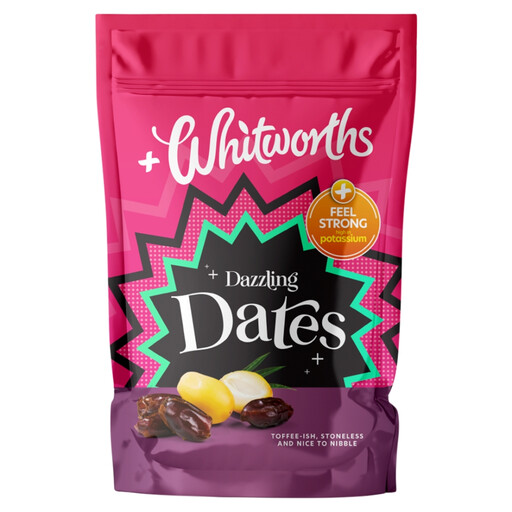
Why This Fits Their Persona: A smaller 300 g pack is a practical way to try dried fruit for porridge, baking or snacking without committing to a larger quantity. It is a conventional date product rather than a Chinese jujube, making it useful for comparison.
The ingredient list states dates at 99% with sunflower oil, so shoppers can see that it is not a 100% jujube product.
300 g pack; listed uses include chopping, sprinkling, stirring and direct snacking.

Why This Fits Their Persona: The pitted format suits busy UK households wanting a ready-to-eat snack or a quick ingredient for tea, porridge and baking.
The listing clearly states that the dates are pitted, ready to eat and made from red dates 100%, so there is less ambiguity about preparation.
500 g net weight; no additives or preservatives listed; suitable for snacking, cooking and tea.
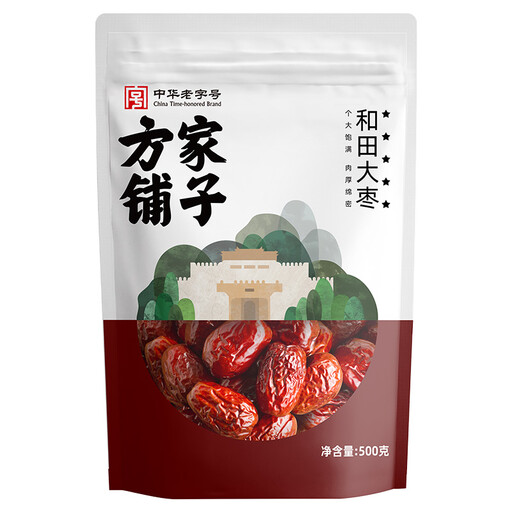
Why This Fits Their Persona: A 500 g pack of large Hetian jujubes may appeal to shoppers who value whole-fruit presentation for serving, gifting, tea or traditional recipes.
The product information identifies the fruit as dried Hetian jujube 100% and advises rinsing before use, while the stated pack weight makes comparison easier.
Whole large dates; ready-to-eat listing; stated uses include tea, soups, stews, baking and desserts.
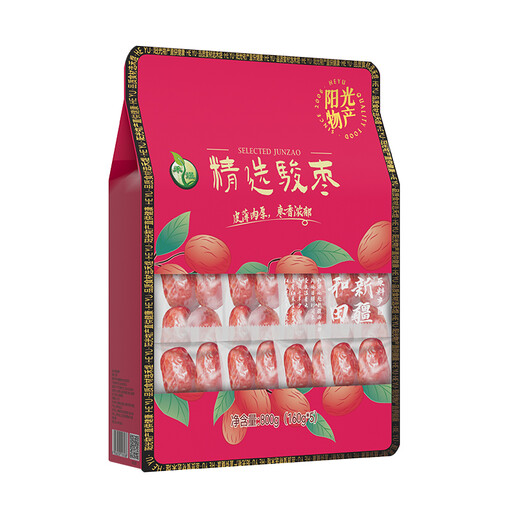
Why This Fits Their Persona: The five individually packaged 160 g bags can work well for households that use Chinese red dates regularly in porridge, soups, tea or desserts.
The pack format and cooking requirement are stated clearly. This helps prevent the common mistake of treating a cooking-only product as a ready-to-eat snack.
800 g total weight; five separate bags; designed for cooking in porridge, soup, stews and tea.
We have compiled a complete, real-time list of products that fully satisfy these strict selection criteria and UK safety regulations.
Depending on the product instructions, dried red dates can be:
Rinse dates before cooking when the packaging recommends it. For whole fruit, remove the stone before serving or adding to food. Keep all dried fruit away from young children who may be at choking risk, and follow the product’s safety instructions.
They are commonly used names for dried jujubes, particularly products from China. However, varieties, growing regions, size grades and preparation instructions differ. Check the ingredient list, country of origin and product description before purchasing.
Buy pitted red dates for convenience, quick snacking and easy baking. Choose whole jujubes when appearance matters or when you plan to simmer them in tea and soup. Whole dates require careful stone removal before eating.
Keep the unopened pack in a cool, dry place away from direct sunlight. Once opened, seal it tightly or move the fruit to an airtight container. Avoid damp cupboards, heat sources and strong odours, and use the best-before information on the packaging as your guide.