
24/7 Customer Support

Free returns

Same-day & Next-day Delivery

Quality Guaranteed

Unlock Your Welcome Offers: FREE Delivery | Up to 80% OFF | Free 30-day JoyPlus trial
Download the APP
Dried red dates are known by several names, including dried jujubes, Chinese red dates and dried Chinese dates. For UK shoppers, they can be a convenient ingredient for tea, soups, porridge, baking and desserts, as well as a naturally sweet snack.
However, the product description alone does not always tell you whether a pack suits your routine. Before buying, check the format, ingredients and preparation instructions carefully. These details make a noticeable difference to convenience, texture and value.
Some dried red dates can be eaten directly, while others are intended for cooking. For example, a product may require washing and thorough cooking before consumption. Never rely only on the words “dried dates” on the front of a pack. Check the usage instructions on the listing and packaging.
Plain jujubes naturally contain concentrated fruit sugars. Other products, such as honey-flavoured or roasted date snacks, may contain sugar, maltose, palm oil or other ingredients. If you want a simple natural dried fruit, look for an ingredient list containing jujube or red dates only.
Whole dates may contain stones, while pitted red dates are more convenient for children, baking and everyday snacking. Crispy jujubes are a different product style from soft, chewy varieties and may include oil. A small pouch can be useful for portion control, but a larger pack may suit regular cooking more effectively.
For a simple product, look for 100% red dates or jujubes and check whether sugar, oil, salt or flavourings have been added. UK food labels generally present nutrition information per 100g, making it easier to compare products.
Plain dried red dates commonly provide carbohydrates and sugars because drying removes water and concentrates the fruit. For example, the HETIAN-YVZAO large Hetian dates list 258 kcal and 50g of sugars per 100g, while the product contains red jujubes only. Crispy varieties can show higher energy and fat values when palm oil is included, so compare the nutrition panel rather than judging by the word “fruit”.
A 35g pouch may suit a handbag or desk drawer, while 454g to 500g packs are more practical for households that regularly make tea, soups or desserts. Individually packed sachets can help with freshness and portability.
Once opened, keep dried fruit sealed in a cool, dry place away from sunlight and moisture. Follow the product’s specific instructions. If the pack says washing or cooking is required, follow that direction rather than treating it as a ready-to-eat product.
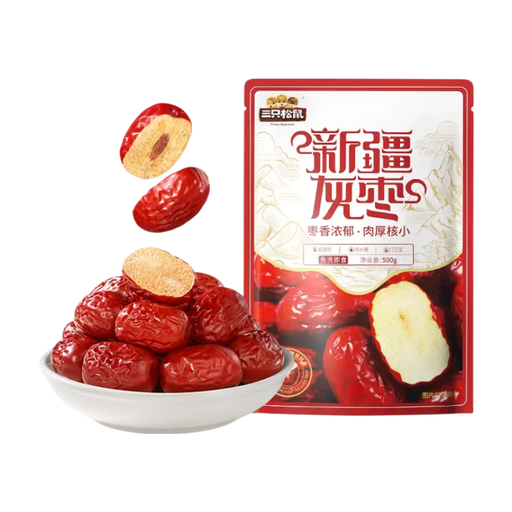
Why This Fits Their Persona: A 500g pack gives new jujube shoppers enough product to try snacks, tea, congee and baking without choosing a specialist format.
The ingredient declaration is dried red dates at 100%, avoiding added oil or flavourings listed in some snack-style alternatives.
500g net quantity; ready to eat and also suitable for teas, congees, soups and baked goods.
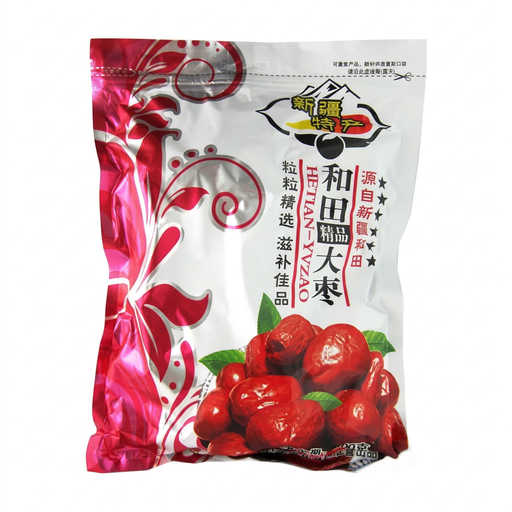
Why This Fits Their Persona: Suitable for shoppers looking for large Xinjiang red dates with a simple ingredient list and a soft, naturally sweet eating style.
The listing clearly states red jujubes 100%, 500g net weight and ready-to-eat use, while also advising washing before adding to soups or herbal teas.
Large-date format; 100% red jujubes; suitable for snacking, baking, soups and tea.

Why This Fits Their Persona: A practical choice for households wanting pitted Chinese red dates that can move directly from the pack into snacks, recipes or drinks.
The product is identified as pitted and ready to eat, reducing preparation compared with whole dates. Check the pack for the specific pit-removal notice before serving young children.
500g pack; red dates 100%; pitted format for direct eating, cooking, baking, soup and tea.
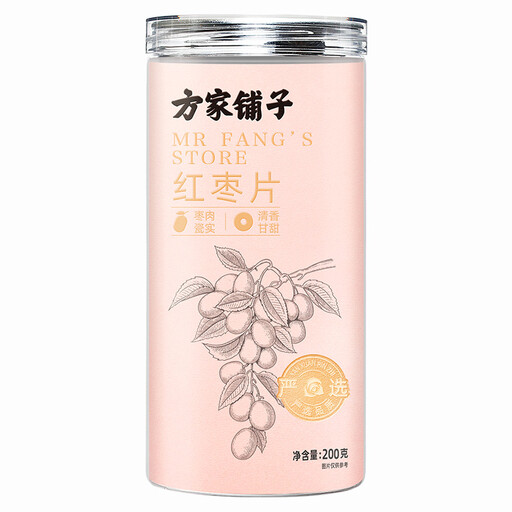
Why This Fits Their Persona: Pre-sliced dried date pieces suit regular tea making, porridge, baking and soups where preparation time matters.
The slices remove the need to cut whole dates before use, and the listed ingredient is dried red date slices at 100%, with no added sugar or preservatives stated.
Pre-sliced 200g format; ready to eat, soak for tea or add to porridge, baked goods, soups and desserts.
We have compiled a complete, real-time list of products that fully satisfy these strict selection criteria and UK safety regulations.
Some are, but not all. Products labelled ready to eat can usually be consumed straight from the pack, while cooking varieties may require washing and thorough heating. Check the product instructions every time, particularly when buying Chinese red dates for soups or tea.
Choose pitted red dates for quick snacking, baking and chopping into recipes. Whole jujubes may be preferable for traditional soups and tea, but remember that stones can be present. Even mechanically pitted products may carry a warning that occasional pits remain.
Keep the pack sealed in a cool, dry place away from direct sunlight, heat and humidity. After opening, use an airtight container where appropriate and follow the storage guidance on the packaging. For individually packaged red date snacks, open only the portion you intend to eat.