
24/7 Customer Support

Free returns

Same-day & Next-day Delivery

Quality Guaranteed

Unlock Your Welcome Offers: FREE Delivery | Up to 80% OFF | Free 30-day JoyPlus trial
Download the APP
Dried red dates, also called dried jujubes or Chinese red dates, can vary considerably in size, texture, sweetness and convenience. A soft, whole fruit may suit tea or soup, while a crispy pouch is better for snacking. The wrong choice, however, can leave you with hard fruit, unwanted stones or a pack that contains more added ingredients than expected.
This guide from the Joybuy Product Recommendation Officer focuses on practical details rather than packaging claims, helping UK shoppers compare dried red dates for everyday eating, baking and traditional recipes.
Not every product labelled as a date or jujube is simply dried fruit. Check the ingredient list carefully:
A naturally sweet taste does not mean a product is low in sugar. Compare the nutrition panel per 100g and consider how much you would normally eat in one sitting.
Ready-to-eat dates are convenient for lunchboxes, desk snacks and travel. However, instructions can differ between products. Some are described as suitable for eating directly, while others recommend washing before adding them to soup or herbal tea.
A no-wash product can save preparation time, but always follow the instructions on the individual pack. If you plan to use dates in cooking, check whether the product is whole, pitted or flavoured.
Whole dates may contain a stone, which is important when serving children or using the fruit in baking. Mechanically pitted products are more convenient, but occasional fragments may remain where the packaging states this possibility.
Texture also affects value. Soft and chewy dates are versatile, whereas crispy products may be lighter and more snack-like but less suitable for simmering in soup. Buying a large pack of the wrong texture can result in unnecessary waste.
For a simple ingredient profile, look for jujube or red dates listed as 100%. Products with oil, sugar or syrup are not necessarily unsuitable, but they serve a different purpose.
For reference, the listed products vary substantially:
Use the nutrition panel to compare products fairly, rather than relying on descriptions such as “natural”, “wholesome” or “nourishing”.
Choose pitted red dates if you want to chop them quickly into porridge, cakes, energy bites or fillings. Whole dates can retain their traditional appearance and may be preferred for tea and soup, but the stone needs to be removed before eating.
Look for clear wording such as:
For young children, follow the product’s safety instructions and consider the choking risk associated with dried fruit and any remaining stones.
Small pouches, such as 35g or 90g packs, work well for occasional snacking and portion control. Larger 500g or 900g packs offer more fruit for regular cooking, but need suitable storage.
Keep dried fruit in a cool, dry place away from direct sunlight, heat and humidity. Reseal the pack after opening and follow the stated use-by or best-before guidance. A change in stickiness, odour, mould or texture is a reason not to consume the product.
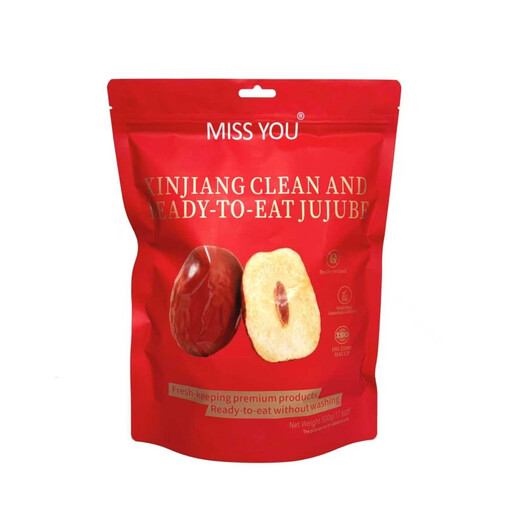
Why This Fits Their Persona: A 500g pack gives new buyers enough fruit to try in snacks, tea, soups and desserts without choosing a bulk multipack.
The ingredient list states jujube 100%, and the product instructions describe it as ready to eat without washing.
Single-ingredient recipe; 500g net quantity; soft, chewy format listed for snacks and recipes.
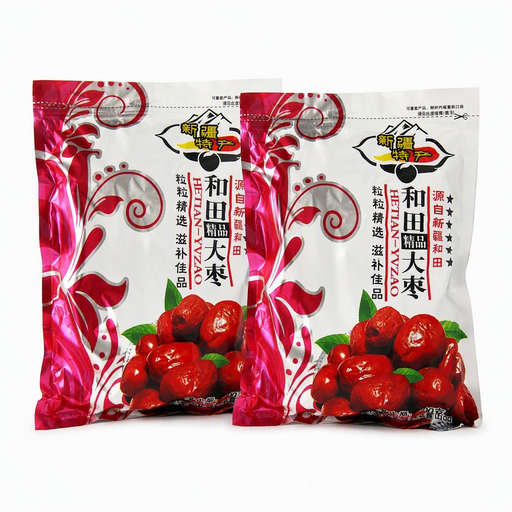
Why This Fits Their Persona: The twin 500g pack suits households that regularly prepare Chinese recipes, herbal teas, desserts or baked goods.
The listing identifies red jujubes as the sole ingredient and clearly gives the 1kg total quantity, avoiding vague pack-size descriptions.
Large dates; 100% red jujubes; suitable for direct eating, baking, soup and tea after washing as instructed.

Why This Fits Their Persona: Home cooks and bakers can use the 500g pitted format without spending time removing stones before chopping or blending.
The product is explicitly labelled pitted and lists red dates as the only ingredient, directly addressing preparation and ingredient concerns.
Pitted format; 500g quantity; listed for snacks, cooking, baking, soup and tea.
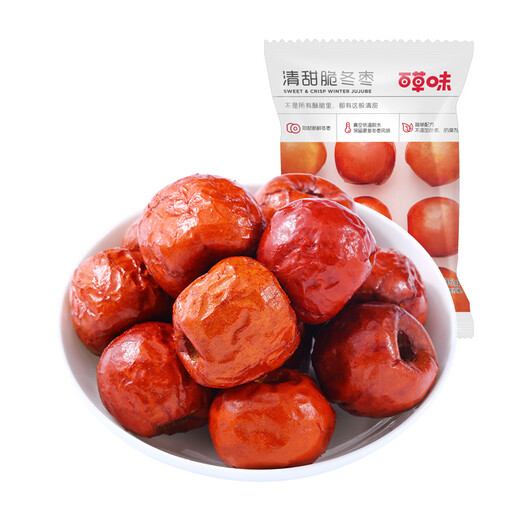
Why This Fits Their Persona: The compact pouch is suited to commuters, office drawers and anyone looking for a crunchy alternative to soft dried fruit.
Its 35g net quantity makes the portion clear, while the ingredient list identifies palm oil rather than presenting the snack as plain fruit.
Ready to eat; crispy texture; portable 35g pouch; made with winter jujube and palm oil.
We have compiled a complete, real-time list of products that fully satisfy these strict selection criteria and UK safety regulations.
For snacks, open and eat products labelled ready to eat, while checking for stones first. For tea or soup, rinse products where the instructions recommend washing, then simmer until the fruit softens. Pitted red dates can be chopped into porridge, cakes, steamed desserts and fillings.
Keep opened packs sealed and dry. Do not refrigerate unless the packaging recommends it, as condensation can affect texture. Always follow the product label, particularly for candied dates and flavoured varieties.
In UK and Chinese grocery listings, the terms are commonly used for the same type of dried fruit. “Chinese red dates”, “red jujubes” and “Xinjiang red dates” may describe different varieties, sizes or origins, so check the product’s stated origin and ingredient list.
Choose pitted dates for faster preparation in baking, porridge and desserts. Whole dates can work well in tea and soup, but inspect them carefully and remove the stone before serving. Mechanical pitting does not always guarantee that every fragment has been removed.
Shelf life varies by product and packaging. Store the fruit in a cool, dry place, reseal it promptly and follow the best-before information on the pack. Consume it sooner if the instructions say to do so immediately after opening, or if its appearance, smell or texture changes.