
24/7 Customer Support

Free returns

Same-day & Next-day Delivery

Quality Guaranteed

Unlock Your Welcome Offers: FREE Delivery | Up to 80% OFF | Free 30-day JoyPlus trial
Download the APP
Dried red dates can be a convenient natural dried fruit, but product descriptions do not always make the important differences clear. In the UK, shoppers may see dried jujubes, Chinese red dates, date-palm fruit and flavoured snacks listed in similar sections, even though their taste, texture, ingredients and preparation requirements can vary considerably.
Before adding a product to your basket, watch for three common buying pitfalls:
For a simple product, look for an ingredient declaration such as red jujubes 100% or dried red dates 100%. This is particularly useful if you want red dates for tea and soup, baking or porridge without added sweetness.
However, preparation instructions differ. Some products are ready to eat, while others must be washed and cooked thoroughly. For example, a product labelled “cooking required” should not be treated as a ready-to-eat snack. Follow the instructions on the current packaging, particularly when serving food to children.
Flavoured products need closer inspection. Roasted dates with tangerine peel may include sugar and salt, while crispy jujubes may include palm oil. These can suit snackers looking for a different texture, but they are not equivalent to plain dried Chinese dates.
Choose the format according to how you intend to use the fruit:
Even pitted products can carry a warning that occasional stones may remain. Adults should supervise young children, and whole products should be handled with particular care.
Pack size affects value and freshness. Smaller packs can be useful for occasional snacking, while 454g to 500g packs suit regular cooking. Multi-sachet products help with portion control and storage, although the per-100g price may differ.
Dried fruit is naturally concentrated, so compare the energy and sugars per 100g rather than assuming every product has the same profile. The listed products range from plain jujubes to recipes containing added sugar or oil.
For storage, most products should be kept in a cool, dry place away from direct sunlight. Once opened, reseal the pack or transfer the fruit to an airtight container. Moisture can affect texture and shorten the period in which the product tastes fresh. Always check the best-before information on the packaging.
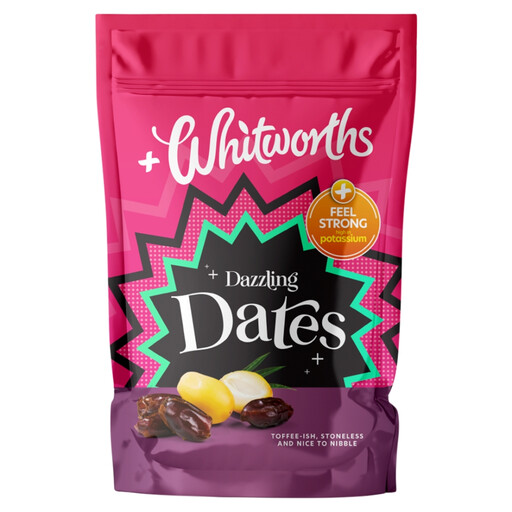
Why This Fits Their Persona: A moderate 300g pack suits shoppers trying dried fruit in porridge, baking or snacks without committing to a larger supply. Note that these are dates rather than Chinese red dates.
The ingredient list identifies dates at 99% with sunflower oil, helping buyers avoid mistaking the product for an additive-free jujube.
300g pack; suitable for chopping, stirring, nibbling or making a date sauce.
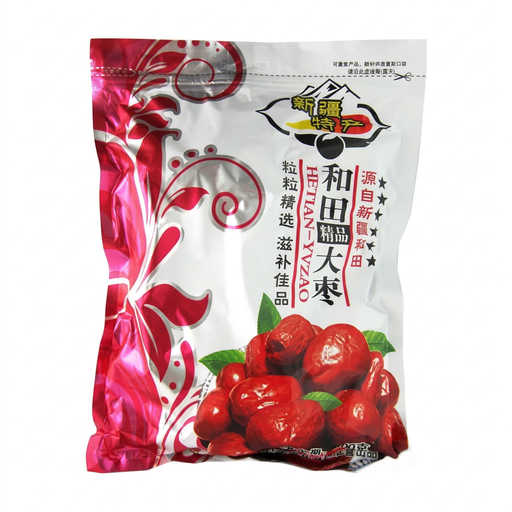
Why This Fits Their Persona: Large jujubes from the Hetian region are suited to shoppers who prioritise whole-fruit presentation, a substantial texture and traditional use.
The listing states red jujubes 100%, 500g net weight and ready-to-eat use, making the product format clear before purchase.
100% red jujubes; ready to eat or use in baking, soups and herbal teas.
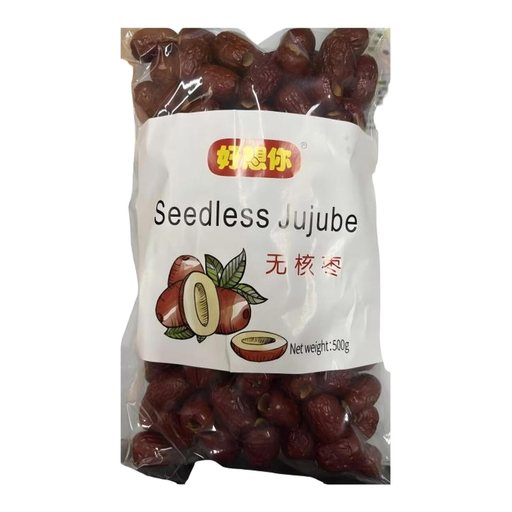
Why This Fits Their Persona: Pitted fruit reduces preparation for busy UK households, lunch boxes and recipes where chopping whole dates would be inconvenient.
The product is clearly identified as pitted and lists jujube at 100%, rather than hiding preparation requirements behind general snack wording.
500g pack; ready to eat and suitable for tea, soup, baking and desserts.
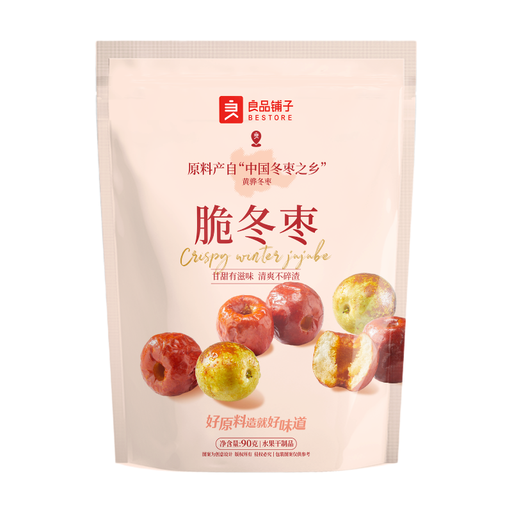
Why This Fits Their Persona: A small pack gives occasional snackers a way to try crispy jujubes without buying a large cooking pack.
The listing states winter jujube and palm oil, so shoppers can distinguish this crunchy snack from plain naturally dried fruit.
90g pouch; ready to eat with a stated crispy texture and no added sugar listed.
We have compiled a complete, real-time list of products that fully satisfy these strict selection criteria and UK safety regulations.
No. Dried red dates, also called Chinese red dates or jujubes, come from the jujube fruit. Ordinary dates generally refer to date-palm fruit. Both can be sweet dried fruit, but their flavour, shape and culinary uses differ.
Pitted red dates are more convenient for direct eating, baking and quick preparation. Whole jujubes may be preferable for traditional tea and soup recipes, but you must remove the stone before eating and follow the product’s washing or cooking instructions.
Their usable period depends on the packaging, storage conditions and moisture exposure. Keep them sealed in a cool, dry place, follow the stated best-before date and use them promptly after opening. If the texture, smell or appearance changes noticeably, do not consume the product.