
24/7 Customer Support

Free returns

Same-day & Next-day Delivery

Quality Guaranteed

Unlock Your Welcome Offers: FREE Delivery | Up to 80% OFF | Free 30-day JoyPlus trial
Download the APP
For UK shoppers, dried red dates can mean several different products: soft Chinese dried fruit, pitted red dates, candied jujubes or crispy snacks made with added oil. The packaging may look similar, but the eating experience, preparation requirements and nutritional profile can vary considerably.
Before ordering, check more than the photograph. A low price may reflect a smaller pack, a higher sugar content or a product that needs cooking rather than being ready to eat. The following guide explains the main buying pitfalls and compares practical options for snacks, tea, soups, porridge and baking.
Whole jujube fruit naturally contains sugars, but some preserved snacks also include sugar, maltose or other sweeteners. Candied products may be softer and sweeter, while plain dried red dates generally offer a more fruit-forward flavour.
Always read the ingredient list rather than relying on terms such as “honey-flavoured”, “traditional” or “natural”. For example, Changsi Honey-Flavored Dates 235g contains sugar, jujube, maltose and salt, with jujube listed at 20%. This makes it a sweet snack rather than a 100% fruit product.
Some red dates are suitable for eating straight from the pack, while others should be washed and cooked. HEYU Premium Jujube 800g, for example, is labelled as requiring thorough washing and cooking before consumption. By contrast, several pitted or individually packed products are designed for direct snacking.
This distinction matters if you want ready-to-eat dates for a desk drawer or packed lunch. It also matters when buying red dates for tea and soup, where cooking instructions may be more appropriate.
Soft, chewy jujubes work well in porridge, desserts and tea. Crispy jujubes provide a completely different experience and may contain palm oil. BS Crispy Jujube 90g lists winter jujube and palm oil, while its nutrition information records 21.9g of fat per 100g.
Pitted red dates are convenient, but mechanical pitting does not always remove every fragment. Changsi’s product information specifically notes that occasional pits may remain. Whole dates can offer a more traditional format, but they require greater care when serving young children.
For a plain Chinese dried fruit product, look for jujube or red dates at 100% in the ingredient list. Haoxiangni Grade 2 Fresh-Locked Pitted Red Dates Original Flavour 280g lists jujube as the sole ingredient. Three Squirrels Red Dates 500g is also described as containing 100% dried red dates.
Products with sugar, maltose, palm oil, salt or flavourings are not necessarily unsuitable; they simply serve a different purpose. Candied dates may suit shoppers seeking a soft, confectionery-style snack, while plain fruit is more adaptable for recipes.
Choose according to how you plan to use the product:
The term premium dried dates is used widely, so compare measurable details such as pack weight, ingredients, pit status and storage advice rather than relying on the label alone.
Small 35g or 90g packs are useful for trying a new texture or carrying a snack. A 280g to 500g bag is more practical for regular tea, baking or cooking. Larger formats, such as Hao Xiang Ni Ready-to-Eat Red Dates 900g supplied as 30 × 30g sachets, can suit households that prefer individual portions or buy in bulk.
Check whether the package should be consumed soon after opening. Most products advise storing dried fruit in a cool, dry place away from sunlight, with some also recommending that the pack remains sealed after opening.
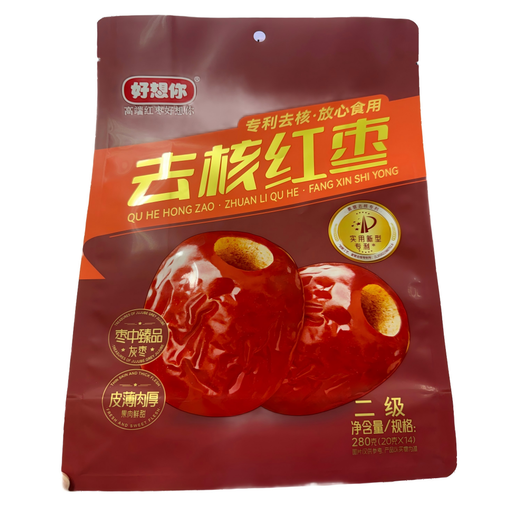
Why This Fits Their Persona: A manageable 280g pack gives newcomers a practical way to try soft, plain jujubes for snacking, tea or desserts without committing to a bulk format.
The ingredient declaration is jujube 100%, and the product is pitted and labelled ready to eat.
280g net weight; no listed allergens; suitable for snacks, tea, soups and desserts.
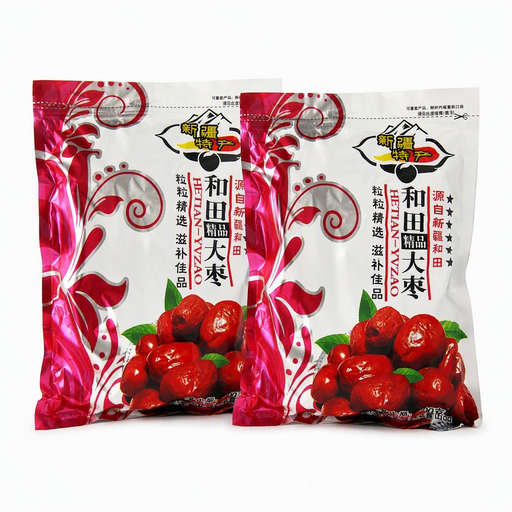
Why This Fits Their Persona: The two 500g packs suit shoppers who value large-format jujubes for regular Chinese tea, soups, baking and household use.
It lists red jujubes at 100%, with no added sugar or oil shown in the supplied ingredients.
Large 500g packs; suitable for direct eating, baking, soups and herbal teas after washing.
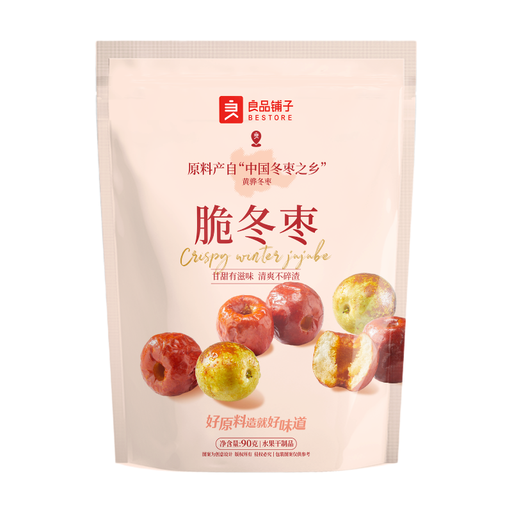
Why This Fits Their Persona: The compact pack is suited to commuters, office snacking and shoppers seeking crispy jujubes rather than soft dried fruit.
The product description clearly identifies its crisp texture and lists palm oil, so shoppers can make an informed comparison.
90g portable format; ready to eat; no added sugar is listed in the ingredients.
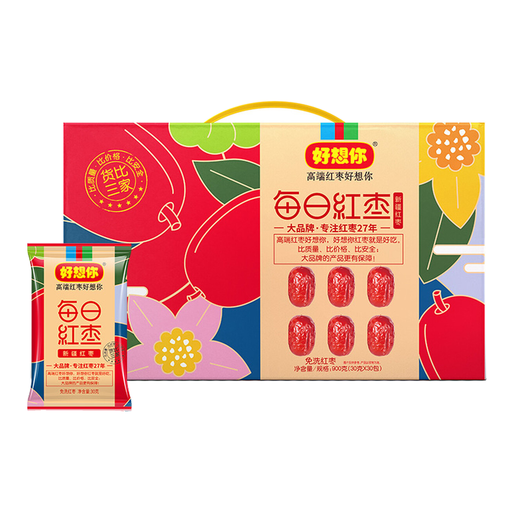
Why This Fits Their Persona: Thirty 30g sachets are convenient for frequent snackers, families or buyers who use jujubes across tea, porridge, soups and desserts.
The portion format makes storage and serving simpler, while the listing clearly states that the dates contain pits.
900g total weight; 30 individual sachets; 100% red dates with no listed additives or preservatives.
We have compiled a complete, real-time list of products that fully satisfy these strict selection criteria and UK safety regulations.
Some are, but not all. Look for “ready to eat” on the product page or packaging. Products intended for cooking may need washing and thorough heating. If the dates contain pits, remove them before serving where appropriate.
Keep dried jujubes in a cool, dry place away from direct sunlight. Reseal the packaging and follow the product’s specific instructions. Individually packed dates can be convenient for portion control and may reduce repeated exposure to air and humidity.
No. Crispy jujubes have a light, crunchy texture and may be processed with oil, whereas conventional dried red dates are usually soft or chewy. Compare the ingredient list and nutrition panel to understand the difference before buying.