
24/7 Customer Support

Free returns

Same-day & Next-day Delivery

Quality Guaranteed

Unlock Your Welcome Offers: FREE Delivery | Up to 80% OFF | Free 30-day JoyPlus trial
Download the APP
Dried red dates are increasingly popular in the UK as a naturally sweet snack and a traditional ingredient for tea, soups, porridge and baking. They are also sold under several names, including Chinese red dates, dried jujubes, Xinjiang red dates and Hetian dates.
However, the product that suits a morning snack may not be suitable for cooking. Packaging can also make similar-looking products seem interchangeable when the ingredients, texture, preparation instructions and storage requirements differ. This guide explains what to check before buying, followed by Our Top Recommendations for 2026 for different shopping needs.
Some dried red dates contain stones, while others are mechanically pitted. A whole date may be suitable for tea or soup, but it requires more care when serving children or preparing food. Pitted red dates are more convenient for snacking, chopping and baking, although occasional stone fragments can still be possible where the packaging gives that warning.
Also check whether the product is genuinely ready to eat. Some jujubes are intended to be washed and cooked thoroughly before consumption, so they should not automatically be treated as a grab-and-go snack.
Crispy jujubes often have a very different nutritional profile from soft, air-dried fruit. Products made with vacuum low-temperature frying or palm oil can contain considerably more fat and energy per 100g than plain dried jujubes. Compare the nutrition panel rather than relying on terms such as “light”, “natural” or “wholesome”.
For example, the listed nutrition for one crispy winter jujube product is 503 kcal and 26.9g fat per 100g, while a large Hetian date product lists 258 kcal and 0.4g fat per 100g. These are different snack formats, not direct substitutes.
A product described as a red date snack may contain sugar, maltose syrup, glutinous rice flour, oil or nuts. A red date and walnut pie, for instance, contains 60% red dates and 20% walnuts, rather than being a bag of plain fruit. Candied dates may contain only 20% jujube, with sugar and maltose making up the remainder.
Check the full ingredients list, QUID percentage where provided, allergen statement and net weight. Individual sachets can make portions easier to manage, while a 500g or 900g pack may offer better value for frequent cooking or family use.
For plain dried red dates, look for an ingredient declaration such as red dates 100% or dried jujube slices 100%. This is useful when you want red dates for tea, soups, baking or recipes without added sweeteners.
Preparation instructions matter just as much. “Ready to eat” means the product is marketed for direct consumption. By contrast, some cooking jujubes must be rinsed and cooked thoroughly. Follow the label, particularly when serving young children, and do not assume that a pitted product is completely stone-free.
For occasional use, a 180g to 280g pack may help reduce opened-product waste. Regular tea drinkers or home cooks may prefer 454g, 500g or larger multipacks. Individual pouches can be convenient for work, school or travel.
After opening, keep dried fruit sealed in a cool, dry place away from sunlight and humidity. Check the best-before date, country of origin, responsible business details and allergen information. In the UK, ingredients and allergens should be clearly presented on the product packaging; always use the current label as the final reference.
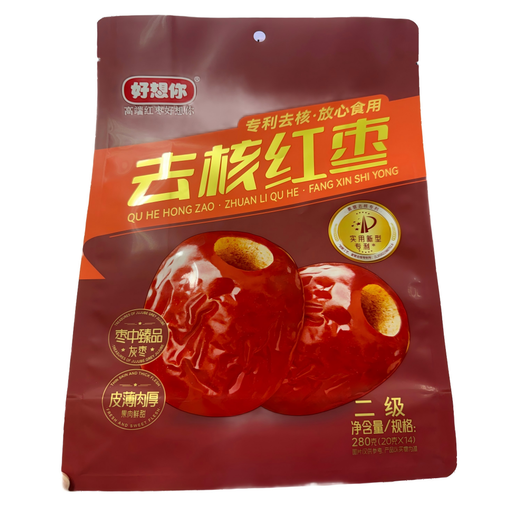
Why This Fits Their Persona: A manageable pack for UK shoppers trying Chinese red dates for the first time, with a pitted format for snacking, tea and simple recipes.
The listing identifies jujube as the sole ingredient and specifies a ready-to-eat, pitted format.
100% jujube; 280g net weight; suitable for direct eating, tea, soups and desserts.
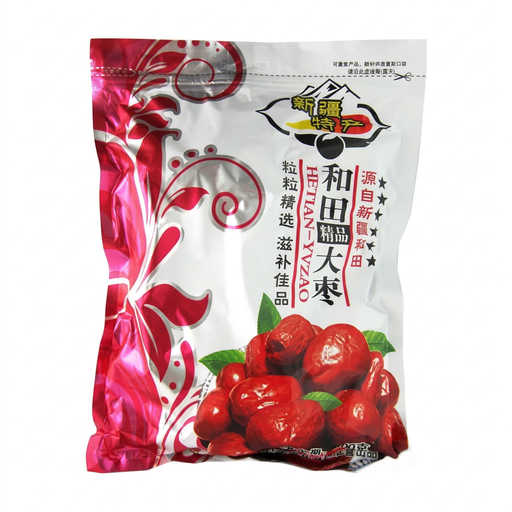
Why This Fits Their Persona: Suitable for shoppers looking for large Xinjiang-region jujubes with a plain ingredient list and several kitchen uses.
The listing states 100% red jujubes, with no added oil or sugar shown in the ingredients.
500g pack; suitable for snacking, baking, soups and herbal teas; listed at 258 kcal per 100g.
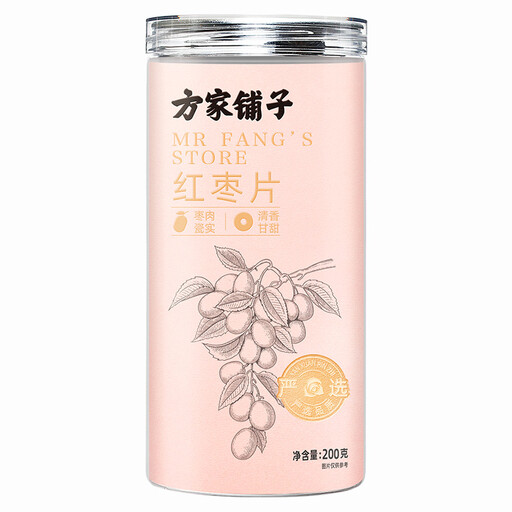
Why This Fits Their Persona: Pre-sliced dried red dates are practical for brewing, porridge, soups and baking without removing stones or cutting whole fruit.
The sliced format makes the intended use clear, while the ingredient declaration lists 100% dried red date slices.
Ready to eat or soak; 200g pack; no added sugar or preservatives listed.
We have compiled a complete, real-time list of products that fully satisfy these strict selection criteria and UK safety regulations.
Some are, but not all. Look for clear wording such as “ready to eat”. Products intended for cooking may need washing and thorough cooking. Pitted products are convenient, but check the label for any warning that occasional stones may remain.
Keep the pack sealed in a cool, dry place away from direct sunlight, heat and humidity. Once opened, an airtight container can help preserve texture. Follow the specific storage instructions and use the date printed on the packaging as your guide.
Yes, many plain dried jujubes and red date slices are listed for tea, soups, porridge, baking and desserts. Choose 100% fruit when you want an unflavoured cooking ingredient and select pitted or sliced formats when preparation time is important. For a breakfast alternative, red date cereal offers convenience but should be assessed separately for sugar, grains, milk and soya allergens.