
24/7 Customer Support

Free returns

Same-day & Next-day Delivery

Quality Guaranteed

Unlock Your Welcome Offers: FREE Delivery | Up to 80% OFF | Free 30-day JoyPlus trial
Download the APP
Shopping for dried red dates online can be less straightforward than it appears. The terms dried jujubes, Chinese red dates and Chinese jujubes generally refer to the same fruit, but products can differ significantly in texture, preparation requirements, pit content, ingredients and pack size.
A large bag may not be good value if the fruit is intended only for cooking, while a small snack pouch may cost more per 100g. Use the following guide to compare products clearly and avoid common buying mistakes.
Whole dried jujubes usually contain one ingredient: jujubes or red dates. However, some snack products include sugar, maltose, palm oil, sunflower oil or salt. These additions affect flavour, texture and nutritional values.
For example, a traditional candied date product may contain only 20% jujube, with sugar and maltose making up much of the recipe. It may be suitable as a confectionery-style snack, but it is not equivalent to 100% dried fruit.
Always check the ingredient list rather than relying on words such as “natural”, “wholesome” or “premium dried dates”.
Many dried red dates can be eaten directly, but not all products have the same instructions. Some jujubes are intended to be washed and cooked before consumption, particularly products sold for soups, porridge and traditional tea preparation.
Check the usage instructions before ordering. A product requiring cooking may be inconvenient for lunchboxes or desk snacking, while ready-to-eat pitted red dates are more practical for quick use.
Whole dates can contain a hard stone. Mechanically pitted products may still carry a warning that occasional pits can remain. This is especially important when serving dried fruit to children or guests who may not expect stones.
If convenience is a priority, select clearly labelled pitted red dates. If you prefer whole fruit for cooking, remember to remove the pit before serving.
For a simple product, look for an ingredient declaration such as red dates 100% or jujubes 100%. This is useful when you want dried red dates for tea and cooking, baking, soups or porridge without added oil or sugar.
Crispy products can be different. Their crunch may come from roasting or frying, and some listings include palm oil. Compare the fat, saturates, sugar and salt per 100g with the intended serving size rather than judging by the product name alone.
UK food packaging should provide essential information including ingredients, allergens, net quantity, storage guidance and a best-before date. Read the product label on arrival, as dates and packaging details can change between listings.
Choose according to how you plan to use the fruit:
Common online formats range from individual 35g pouches to 900g multi-pack boxes. Smaller packs are practical for trying a new texture or carrying in a bag. Larger packs may suit households that regularly prepare Chinese soups, herbal teas or baking recipes.
Store dried fruit in a cool, dry place, away from direct sunlight, and reseal opened packaging. Slices and soft fruit can absorb moisture, so an airtight container can help maintain texture. Follow the specific packaging instructions, particularly for products that advise refrigeration or cooking.
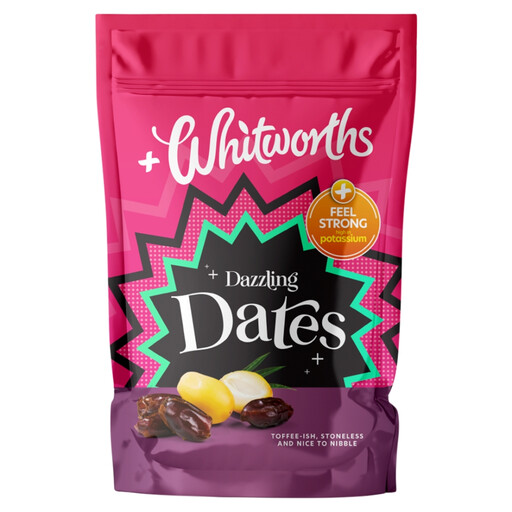
Why This Fits Their Persona: A manageable 300g pack for UK shoppers comparing dried fruit for porridge, baking, sauces or occasional snacking.
The listing identifies dates as 99% of the ingredients and states that sunflower oil is also included, making the formulation clear before purchase.
The product can be sprinkled, chopped or stirred into recipes. The label provides per-100g and per-30g nutrition values.
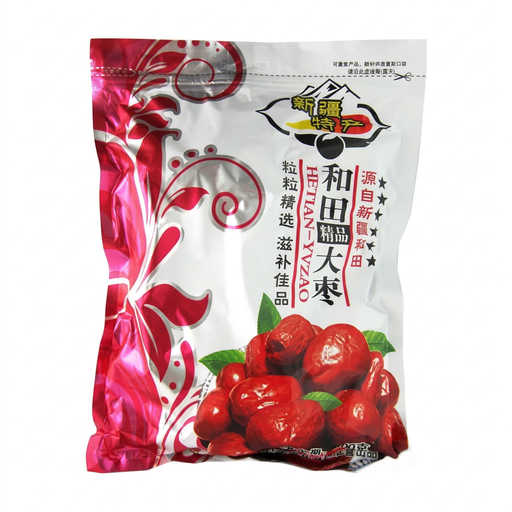
Why This Fits Their Persona: Suitable for shoppers seeking large Chinese jujubes from the Hetian region for serving, baking, soups and tea.
It is listed as 100% red jujubes, with no added oil or sugar shown in the ingredients. The listing also gives storage and washing guidance.
The 500g pack offers a practical quantity for regular household use. It is described as ready to eat or suitable for cooking after washing.
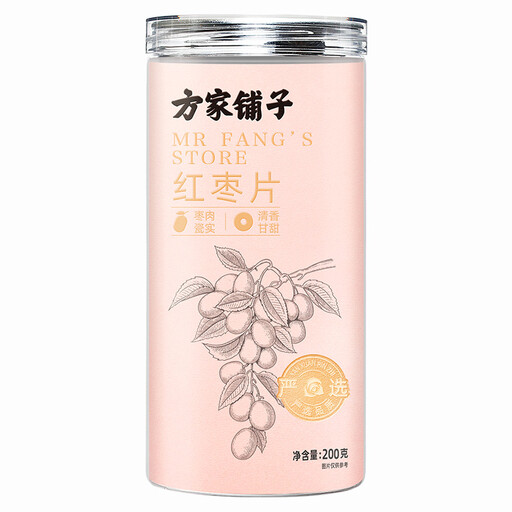
Why This Fits Their Persona: Pre-sliced fruit is convenient for UK households preparing red dates for tea, congee, cakes, desserts and soups.
The slices remove the need to cut whole fruit before use, while the ingredient declaration states 100% dried red date slices with no added sugar or preservatives listed.
The 200g pack is easy to portion, and the product can be eaten directly or soaked in hot water for tea.
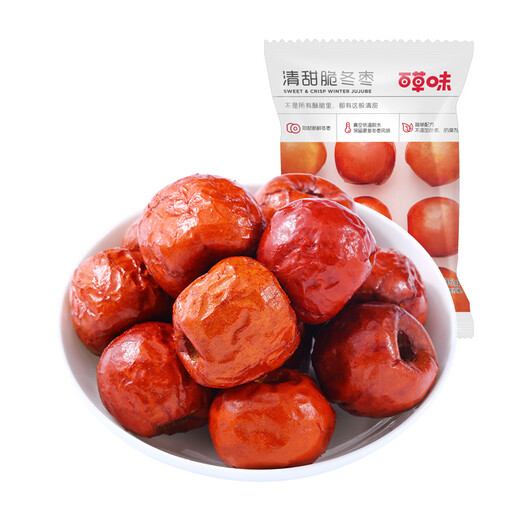
Why This Fits Their Persona: A single 35g pouch suits commuters, office drawers, travel and anyone wanting to try crispy jujube snacks without buying a large bag.
The small portion helps control commitment and makes the intended ready-to-eat format clear. The ingredient list identifies winter jujube and palm oil.
The product is ready to eat and has a crisp texture. Its 35g net quantity is convenient for occasional snacking.
We have compiled a complete, real-time list of products that fully satisfy these strict selection criteria and UK safety regulations.
Whole Chinese red dates can be rinsed and added to porridge, rice dishes, soups or slow-cooked recipes. For tea, slice or wash the fruit first and steep it with hot water; remove any stone before drinking or serving.
Pitted varieties are convenient for baking, blending into sauces and preparing lunchbox snacks. Red date slices work well when you want even portions. Crispy varieties should generally be treated as snacks rather than substitutes for soft cooking jujubes, as their texture and added ingredients may not suit simmering.
Check the nutrition panel when comparing products. Several listings contain around 258–343 kcal per 100g, while oil-based crispy products can exceed 500 kcal per 100g. These figures are not a health endorsement; they simply help you compare products for your own dietary preferences.
Yes. In Chinese grocery shops and online listings, dried red dates, Chinese red dates and dried jujubes commonly describe the fruit Ziziphus jujuba. They are different from the soft brown dates often used in Middle Eastern recipes.
Choose pitted red dates if you want convenience for snacking, baking or blending. Whole dates can offer a traditional format for tea and cooking, but pits must be removed before serving and should be handled carefully around children.
Follow the best-before information on the packaging and store the fruit sealed in a cool, dry place. Once opened, use it promptly if the label advises this. An airtight container can help protect red date slices and soft jujubes from moisture, but it does not extend the printed shelf life.