
24/7 Customer Support

Free returns

Same-day & Next-day Delivery

Quality Guaranteed

Unlock Your Welcome Offers: FREE Delivery | Up to 80% OFF | Free 30-day JoyPlus trial
Download the APP
Buying dried red dates and jujubes online can look straightforward, but product names often hide important differences. A soft Chinese red date for tea is not the same as a crispy winter jujube snack, while a large cooking pack may be inconvenient for someone who wants a quick office treat.
As the Joybuy Product Recommendation Officer, I focus on practical distinctions rather than promotional wording. Use this guide to compare texture, preparation, ingredients, pack size and value before ordering in the UK.
Some products are labelled ready to eat, while others must be washed and cooked. This distinction matters if you plan to open a pack for snacking.
For example, Hao Xiang Ni Grade A No-Wash Jujubes are described as ready to eat without rinsing. By contrast, the HEYU Premium Jujube 800g pack states that the fruit must be rinsed and cooked thoroughly before consumption. Always check the usage instructions rather than relying on words such as “natural”, “air-dried” or “traditional”.
A 500g or 800g bag can offer a useful supply for families, baking and soups, but may lose freshness more quickly after opening if it is not sealed properly. Smaller pouches and individually portioned packs are more practical for lunchboxes, commuting or occasional snacking.
Check the net quantity, number of sachets and recommended storage conditions. A large pack is only economical when you are likely to use it before its quality changes.
Many whole dried dates contain only jujube or dates. Other date snacks include palm oil, sugar, maltose syrup, salt or flavourings. Neither format is automatically suitable for every purpose, but the difference affects cooking, texture and nutritional comparison.
For instance, crispy winter jujubes from Be&Cheery contain winter jujube and palm oil, while the Three Squirrels Red Dates 500g listing identifies dried red dates as the sole ingredient. Read the ingredient list and nutrition panel instead of assuming all dried fruit snacks are interchangeable.
Choose based on how you will use the product:
The word “premium” is not a universal size or quality standard. Compare the stated grade, origin, ingredient list and product weight.
Whole red dates may contain stones, so take care when serving them to young children. Mechanically pitted products are more convenient, but occasional pits may remain, as stated on the Changsi Honey-Flavoured Dates listing.
For UK shoppers, check the label for:
Whitworths Dates, for example, includes a warning that occasional shell fragments may be present. This is particularly relevant when buying dried fruit for families.
Dried dates are naturally concentrated fruit, so compare the nutrition information per 100g and consider the portion you are likely to eat. Listed products vary considerably: the Hao Xiang Ni No-Wash Jujubes provide 304 kcal and 55.2g sugars per 100g, while the Be&Cheery crispy product lists 533 kcal and 31.9g fat per 100g, partly reflecting its palm oil ingredient.
If you want a straightforward ingredient for tea and soup, a 100% jujube product may be more suitable. If you are choosing a sweet snack, a smaller 35g or individually wrapped serving can make portions easier to manage.
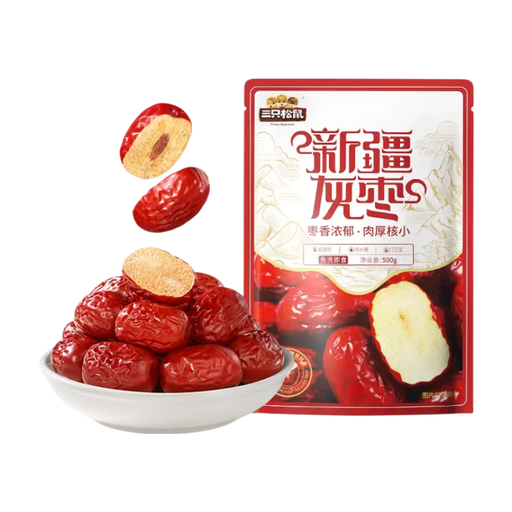
Why This Fits Their Persona: A versatile 500g option for first-time buyers who want one pack for snacking, tea, congee, soups and baking.
The listing identifies dried red dates as 100% of the ingredients and states that the product is ready to eat.
500g quantity; soft, chewy texture; suitable for both direct eating and cooking.
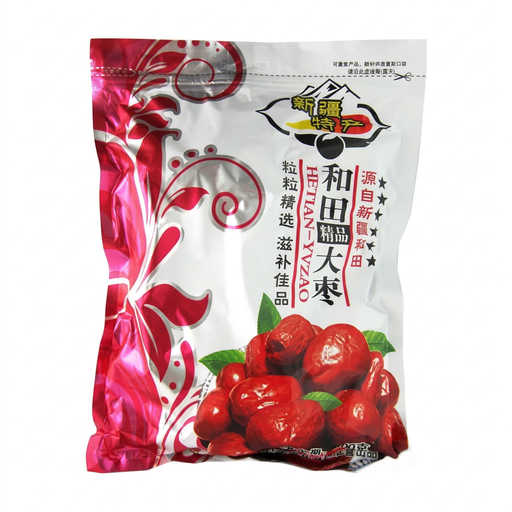
Why This Fits Their Persona: Large Hetian dates suit shoppers who prioritise substantial fruit pieces for presentation, baking, tea and traditional soups.
Its listing states 100% red jujubes and clearly separates direct eating from uses requiring washing.
Large stated size; 500g pack; 50g sugars and 258 kcal per 100g according to the listing.
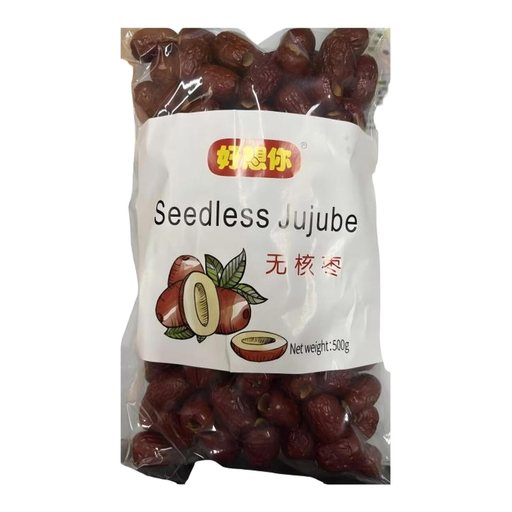
Why This Fits Their Persona: A practical choice for families and home cooks who want to avoid removing stones before chopping dates into porridge, desserts or recipes.
The product is pitted and ready to eat, while the listing still advises checking storage and keeping the pack sealed.
500g pack; 100% red dates; suitable for snacks, baking, soups and tea.
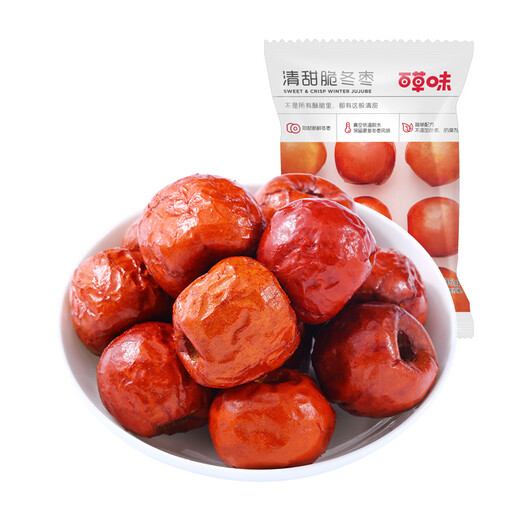
Why This Fits Their Persona: The small pouch is convenient for a handbag, desk drawer or travel, particularly when you prefer a crisp texture.
The 35g format reduces the commitment of buying a large pack, and the listing states it is ready to eat after opening.
Crispy texture; portable pouch; clearly listed palm oil and nutritional information.
We have compiled a complete, real-time list of products that fully satisfy these strict selection criteria and UK safety regulations.
Keep unopened packs in a cool, dry place away from direct sunlight, following the label instructions. Once opened, reseal the packaging or transfer the dates to an airtight container where appropriate. Humidity can affect chewiness and crispness, particularly in warm kitchens.
Check the best-before date on the packaging. For products sold in sachets, such as the 900g Hao Xiang Ni ready-to-eat red dates pack containing 30 individual 30g portions, portioning can help reduce repeated exposure to air.
In UK shops, “red dates”, “Chinese dates” and “jujubes” commonly refer to the dried fruit of the jujube tree. Product size, ripeness, drying method, texture and preparation instructions can still vary, so compare the label rather than the name alone.
Not always. Some are specifically sold as no-wash or ready-to-eat red dates. Others, including certain cooking-grade products, require washing and cooking. Follow the instructions on the individual pack, especially when using dates for tea and soup.
There is no single lifespan for every product. Follow the printed best-before date and storage guidance, keep the pack sealed and use the dates promptly after opening. Discard them if you notice mould, an unusual smell or significant moisture damage.