
24/7 Customer Support

Free returns

Same-day & Next-day Delivery

Quality Guaranteed

Unlock Your Welcome Offers: FREE Delivery | Up to 80% OFF | Free 30-day JoyPlus trial
Download the APP
Navigating the world of dried fruits can be surprisingly complex. When it comes to buying dried red dates, what seems like a simple purchase can lead to disappointment if you are not aware of a few key details. Many shoppers find themselves with a product that doesn't suit their recipe, or they realise they have overpaid for features they did not need. This guide is designed to help you understand the important distinctions and make a choice that fits your needs, whether you are snacking, cooking or brewing a comforting tea.
Before you add a pack to your basket, let's look at a couple of common pitfalls that can catch buyers out:
To ensure you get the right product, focus on these three core parameters. They will help you match the fruit to your specific culinary or snacking needs.
This is the most straightforward yet crucial choice.
Understanding the type of date is essential for getting the flavour and texture you expect.
Always check the packaging for usage instructions. Some dried dates, particularly those intended for traditional cooking, are much drier and harder. They are not pleasant to eat raw and require washing and cooking to soften and release their flavour. In contrast, dates sold for snacking are typically softer, moister and ready to eat straight from the pack.
Based on these practical considerations, here are a few recommendations matched to different user needs.
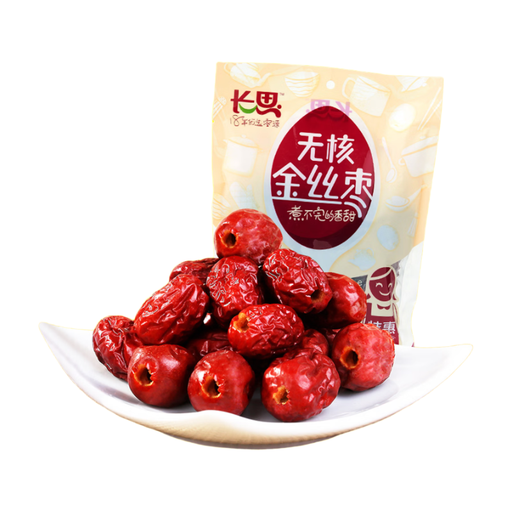
Why This Fits Their Persona: This is for the person who values time and ease. These pitted jujubes are ready to be eaten straight from the bag or tossed into a recipe without any prep, making them a perfect healthy snack for a busy lifestyle in the UK.
It is explicitly pitted, so you get the convenience you are paying for. The ingredient list confirms it contains only jujubes, avoiding the hidden sugar trap.
Ready-to-eat convenience with a tender texture and no added sugar. Ideal for snacking and baking.
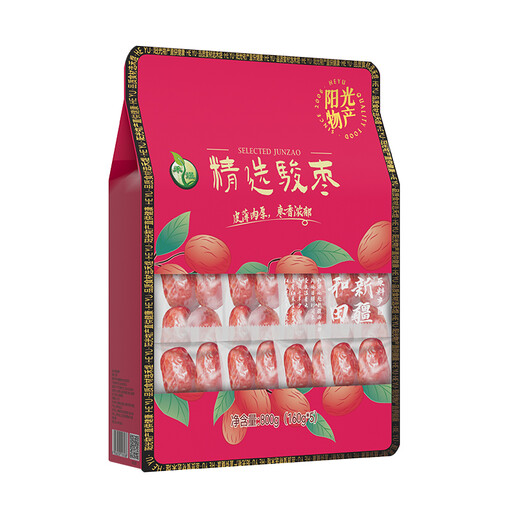
Why This Fits Their Persona: This bulk pack is perfect for someone who regularly uses Chinese dates for cooking traditional soups, porridges or teas. The five individually sealed packs ensure freshness over time.
It is clearly marked as "must be cooked," preventing misuse. As it is unpitted, it avoids the extra cost of pitting, which is unnecessary for slow-cooking applications.
Excellent value for regular users. The portioned packs maintain freshness and are easy to store.
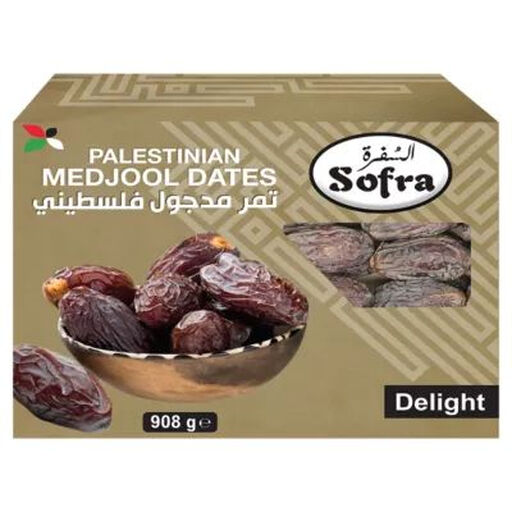
Why This Fits Their Persona: This is for the person seeking a luxurious, healthy indulgence. These large Medjool dates are perfect as a standalone snack, a natural sweetener in smoothies or for creating decadent desserts.
This product clarifies the difference between a jujube and a Medjool date. It delivers the rich, caramel flavour Medjool lovers expect, ensuring no recipe confusion.
Premium large size with a soft, fudgy texture and deep caramel sweetness. 100% natural fruit.
We have compiled a complete, real-time list of products that fully satisfy these strict selection criteria and UK safety regulations.
1. Do I need to wash dried red dates before using them? It is always a good practice to give dried fruits a quick rinse under cold water before use, especially if you are adding them to dishes. This removes any surface dust from processing and storage. Some packaging will specify if the product is "ready to eat" or requires washing.
2. How should I store dried dates to keep them fresh? To maintain their quality, store dried dates in an airtight container in a cool, dark and dry place like a pantry. In the UK's more humid or warmer months or for long-term storage, keeping them in the refrigerator is an excellent way to preserve their texture and prevent them from drying out.
3. What is the main taste difference between a Chinese jujube and a Medjool date? The difference is significant. A Chinese jujube has a mild, pleasant sweetness with a slightly tangy note and a firm, chewy texture. A Medjool date is intensely sweet with a rich caramel or honey-like flavour and a very soft, almost fudgy texture. They are not interchangeable in most recipes.