
24/7 Customer Support

Free returns

Same-day & Next-day Delivery

Quality Guaranteed

Unlock Your Welcome Offers: FREE Delivery | Up to 80% OFF | Free 30-day JoyPlus trial
Download the APP
If you're exploring the rich and diverse world of East Asian cuisine, you'll quickly find that dried seaweed is an indispensable pantry staple. From the deep, umami flavour it lends to broths to the delicate texture it adds to salads, this versatile ingredient is a cornerstone of many authentic dishes. However, with so many varieties available—from dried kelp to wakame flakes—choosing the right one for your recipe can feel overwhelming.
This guide is designed to help UK home cooks navigate the options. We'll break down the different types of edible seaweed, offer practical tips for selecting the right product and share some of our top recommendations to help you bring authentic flavours to your kitchen.
Before you add to your basket, consider these points to ensure you get the perfect seaweed for your culinary needs.
Not all seaweed is the same. The three most common types you'll encounter in Chinese, Japanese and Korean cooking have distinct uses:
Good quality dried seaweed should have a relatively uniform, deep colour—be it dark green, brown or near-black. It should look clean and be free from excessive dust or discoloured patches. The packaging should also clearly state the country of origin, which can be an indicator of the specific type and flavour profile you can expect.
The most important factor is your intended recipe. If you need a robust, flavour-enhancing base for a slow-cooked broth, dried kelp is your best choice. For a quick and nutritious addition to a light soup or a refreshing salad, wakame flakes are ideal. For wrapping sushi or garnishing rice, look for laver. Having a couple of different types in your pantry opens up a world of Asian cooking ingredients and possibilities.
As your Joybuy Product Recommendation Officer, I've filtered through our selection to highlight three excellent options that cater to different cooking styles and recipes.
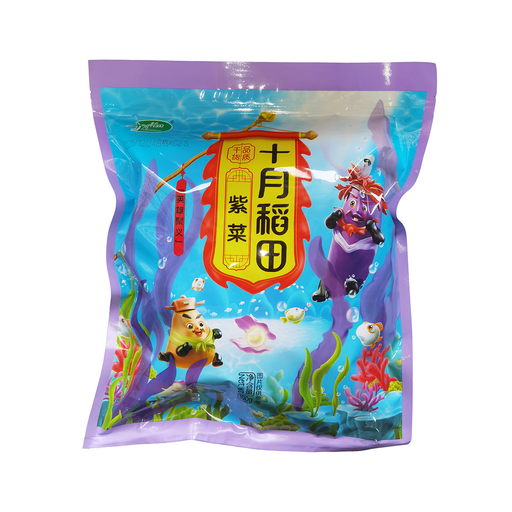
Why It Stands Out: This is a highly versatile shredded laver (purple seaweed) that works beautifully in a wide range of dishes. Its tender texture and dark green colour are signs of a quality harvest. It rehydrates quickly, making it a convenient option for busy home cooks.
Pros:
Who is it for? This is an excellent all-rounder for any home cook who enjoys making a variety of Chinese and Japanese dishes. If you need one go-to seaweed for soups and garnishes, this is a practical choice.
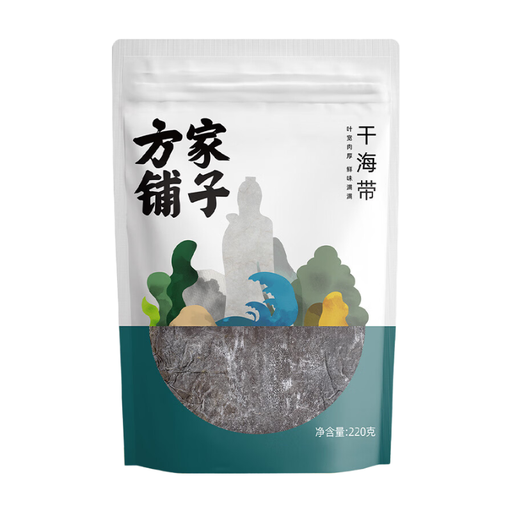
Why It Stands Out: This dried kelp is specifically intended for building deep, savoury flavour in broths and stews. As a type of kombu, it is thick and robust, releasing a rich umami taste during cooking. It’s the secret weapon for an authentic-tasting soup base.
Pros:
Who is it for? This is for the dedicated cook aiming to master authentic broths. If you are making dashi from scratch, a rich pork rib and kelp soup or a flavourful vegetarian stew, this is the ingredient you need.
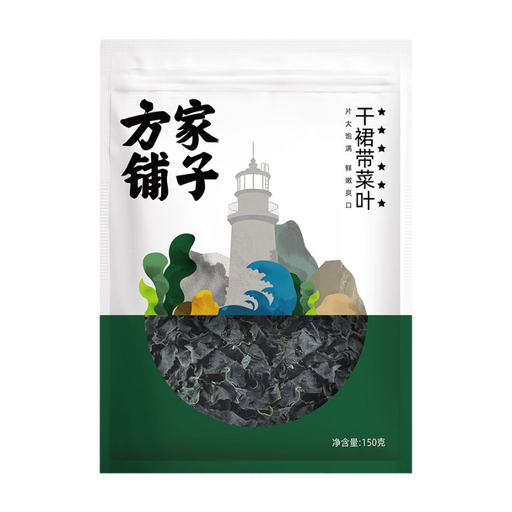
Why It Stands Out: These wakame flakes are all about speed and convenience without compromising on flavour or nutrition. They rehydrate in about five minutes, transforming into silky, tender leaves perfect for immediate use in light dishes.
Pros:
Who is it for? This is perfect for health-conscious individuals and anyone short on time. If you regularly make miso soup or want an easy way to boost the nutritional content of your salads, these wakame flakes are an excellent choice.
If these specific seaweeds aren't quite what you're looking for, we have a wide range of other products to explore. From essential Asian cooking ingredients to home goods that complete your dining experience, there's always something new to discover. For instance, you can browse our popular green floral rug collection.
While both are types of brown seaweed, their primary uses differ due to texture and flavour. Dried kelp (like kombu) is thick and tough, prized for the deep umami flavour it imparts to broths during a long simmer. Wakame is much more delicate and tender, rehydrating quickly to be eaten directly in soups and salads.
To maintain its flavour and texture, store dried seaweed in an airtight container in a cool, dark and dry place, such as a pantry or cupboard. Avoid exposure to humidity and direct sunlight, as this can degrade its quality.
Edible seaweed is often noted for its nutrient profile. Different types offer various benefits, but they are generally known for being a natural source of minerals, including iodine. Many varieties, such as those highlighted above, also contain dietary fibre and plant-based protein while being low in fat, making them a popular component in balanced diets.