
24/7 Customer Support

Free returns

Same-day & Next-day Delivery

Quality Guaranteed

Unlock Your Welcome Offers: FREE Delivery | Up to 80% OFF | Free 30-day JoyPlus trial
Download the APP
Bringing the authentic tastes of East Asia into your kitchen is easier than you might think. One of the most versatile and flavourful pantry staples is dried seaweed. From the rich umami flavour it lends to broths to the delicate texture it adds to salads, edible seaweed is a cornerstone of Japanese, Chinese and Korean cuisine.
However, with so many varieties available—from dried wakame and dried kelp to dried laver—choosing the right one can feel overwhelming. This guide is designed to help you navigate the options. As your Joybuy Product Recommendation Officer, I've filtered through the choices to provide practical advice, helping you select the perfect dried seaweed for your next culinary creation.
Before adding to your basket, consider a few key points. Understanding the different types and their uses will ensure you get the best results for your recipes.
Not all seaweed is the same. The type you choose will dramatically affect the flavour and texture of your dish.
The environment where seaweed is grown influences its taste and quality. Regions like Japan, Korea and specific coastal areas of China (like Xiapu) are renowned for their seaweed cultivation. Products from these areas are often carefully harvested and dried to preserve their natural character. Look for packaging that clearly states the country of origin to get a sense of the product's profile.
Most dried seaweed requires rehydration. A small amount can expand to several times its original size, so a little goes a long way. Always check the package for instructions. Additionally, seaweed is naturally high in salt due to its marine origin. This is a key part of its flavour, but it's worth noting when you season the rest of your dish.
Here are a few standout options that offer great versatility and authentic flavour for home cooks in the UK.
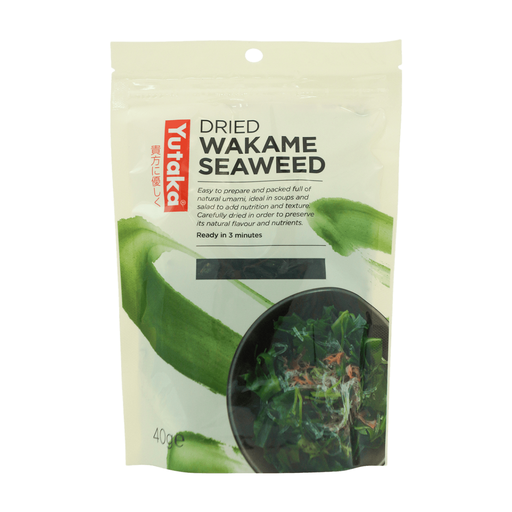
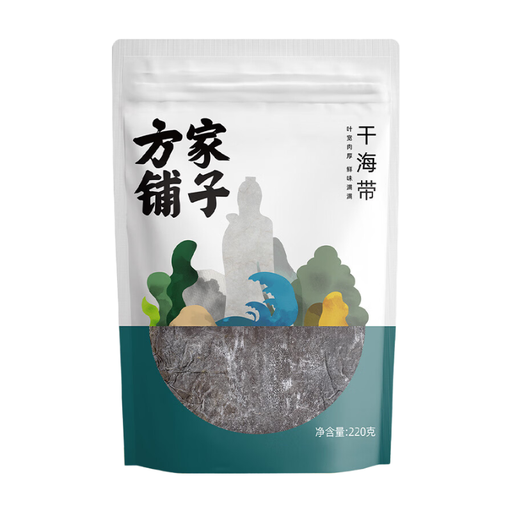
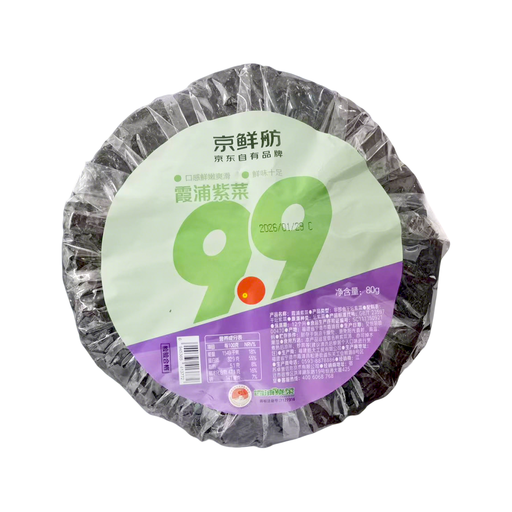
Our selection highlights a few popular choices, but the world of edible seaweed is vast. To discover more authentic Asian cooking ingredients for your culinary adventures, explore our full range of unique pantry items.
Most types, like wakame and kelp, need to be rehydrated first. This usually involves soaking them in cold water for 5-15 minutes until they are soft and have expanded. After soaking, drain them and gently squeeze out excess water. They can then be added to soups, stews or salads. Some thinner types like laver can be added directly to hot soup or crumbled over dishes as a garnish.
Edible seaweed is known for being a source of various minerals, including iodine. Different types offer different nutritional profiles; for example, some laver is high in protein, while kelp is often noted for its mineral content. It is generally low in fat and calories. However, it is naturally high in sodium, so it's best enjoyed as part of a balanced diet and you may want to adjust the salt in your recipes accordingly.
While there is a lot of overlap, some general distinctions can be made in traditional cuisine. Japanese seaweed cooking often highlights specific types for distinct purposes: kombu for dashi broth, wakame for miso soup and salads and nori for sushi. In Chinese seaweed cuisine, you might see kelp used in hearty braises and stews, while loose-leaf laver (zicai) is commonly added to egg drop soups or noodle dishes for a delicate flavour. Both cuisines value seaweed for its unique umami flavour and texture.