
24/7 Customer Support

Free returns

Same-day & Next-day Delivery

Quality Guaranteed

Unlock Your Welcome Offers: FREE Delivery | Up to 80% OFF | Free 30-day JoyPlus trial
Download the APP
Shopping for dried tofu skin can be confusing when listings use several names for similar-looking products. Yuba, beancurd skin, soybean sheets, dried bean curd and Chinese tofu skin may refer to sheets, rolls, sticks or ready-to-cook formats. The right choice depends less on attractive packaging and more on texture, preparation time, storage and ingredients.
For UK shoppers, there are also practical issues to check before ordering. A large bag may offer good value, but only if you regularly cook hot pot, soups or braised dishes. Meanwhile, a frozen tofu skin product may be convenient but requires freezer space and careful handling.
Nutrition panels for dried tofu skin commonly show values per 100g of dry product. Once soaked, the product absorbs water and becomes heavier, so the listed protein and energy values should not be compared directly with those of a fresh or frozen product.
For example, some dried products list around 38–45g of protein per 100g dry weight, while a frozen product may show a lower figure because it contains substantial water. Always compare like with like.
Thin tofu sheets are suitable for slicing, wrapping and quick cooking. Dried tofu sticks and yuba rolls are thicker, chewy and more resilient, making them useful for braising or extended simmering. Puff-style tofu skin has a porous structure that absorbs broth quickly, but it may not be the right choice for a neat cold salad.
The product name alone does not always explain the format. Check the image, preparation directions and intended uses before purchasing.
Soybeans are a regulated allergen and must be considered by anyone with a soy allergy. Some products contain only soybeans and water, while others include alcohol, starch, salt, acidity regulators or sulphites. For example, products containing sodium bisulphite or sodium sulphite should be avoided by people who need to manage sulphite sensitivity.
Read the full ingredient list and allergen advice rather than relying on phrases such as “natural”, “traditional” or “plant-based”.
Choose the format according to your recipe:
A product labelled “cooking required” should not be eaten dry or straight from the packet.
Preparation instructions vary considerably. Some dried tofu skin can soften in warm water in 10–20 minutes, while thicker dried bean curd sticks may require 30–60 minutes or several hours. In winter, some instructions recommend warm water to shorten the process.
Soak until there is no hard centre, then drain and rinse where instructed. For hot pot, partially softened pieces can finish cooking in the broth. For stir-fries and cold salads, fully soften and drain the product first.
A short ingredient list can make it easier to understand what you are buying. Products made with soybeans and water offer a straightforward base, while versions containing preservatives or seasonings may suit different storage or flavour preferences.
Pack sizes range from 50g snack-style or hot-pot portions to 1kg bulk packs. Check the protein value per 100g, but also confirm whether the panel refers to dry, fresh or frozen product. For regular family cooking, a larger dried pack may be practical; occasional users may prefer 150–200g.
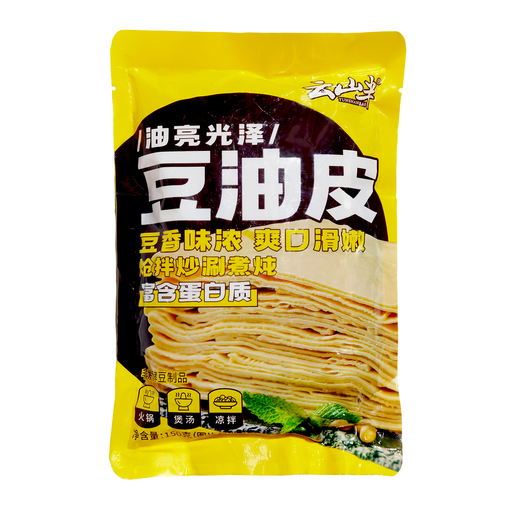
Why This Fits Their Persona: The 150g pack offers a manageable introduction to dried tofu skin for UK cooks trying Chinese recipes without committing to a bulk quantity.
The pack size helps avoid buying more dried bean curd than you can use, while the label clearly lists soybeans, water and edible alcohol.
150g net weight; 39.2g protein per 100g as listed; suitable for Chinese cooking.
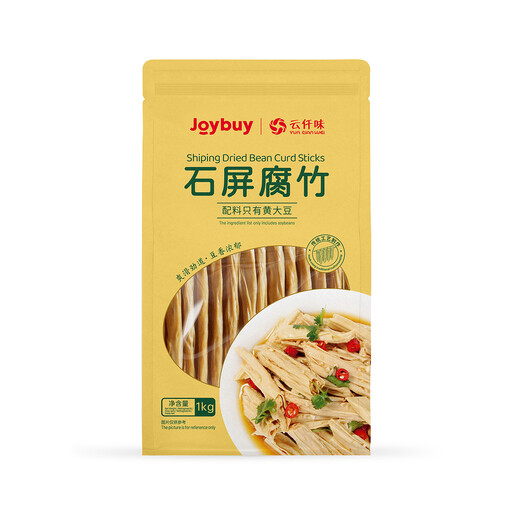
Why This Fits Their Persona: Regular cooks who prepare hot pot, braised dishes or batch meals can make use of the 1kg format and longer soaking time.
The ingredient list states yellow soybeans only, helping shoppers avoid unnecessary preservatives or added seasoning.
1kg quantity; 41.3g protein per 100g as listed; designed to remain intact during prolonged boiling.
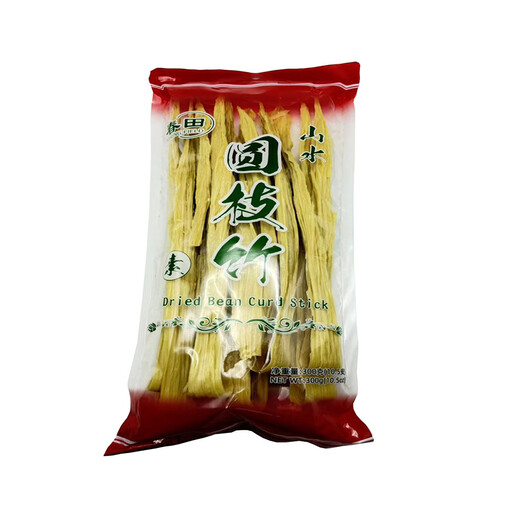
Why This Fits Their Persona: Its round branch format suits shoppers looking for yuba with a firm shape for hot pot, soups, stir-fries and braising.
The instructions specify a 30–60-minute warm-water soak, making the preparation requirement clear before purchase.
300g pack; 29g protein per 100g as listed; circular cross-section for robust cooking applications.
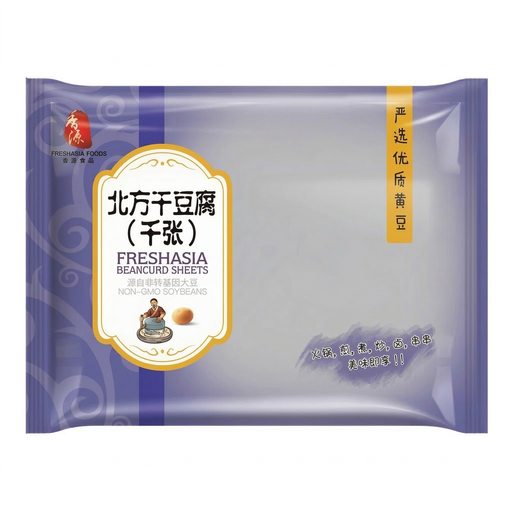
Why This Fits Their Persona: This frozen format is suitable for shoppers who prefer shorter preparation and have freezer storage available.
The storage instruction states to keep it at -18°C or below and not to refreeze after defrosting, so freezer requirements are clear.
190g quantity; northern-style firm texture; suitable for hot pot, cold dishes and stir-fries after thawing.
We have compiled a complete, real-time list of products that fully satisfy these strict selection criteria and UK safety regulations.
Yuba is a common name for the skin formed on heated soy milk. In shops, it may be sold as sheets, rolls or sticks. “Tofu skin”, “beancurd skin” and “soybean sheets” can describe closely related products, but the exact shape and preparation method vary.
Unopened dried tofu skin can usually be stored according to the shelf-life information printed on its packaging, provided it remains cool and dry. Once opened, protect it from moisture and odours in an airtight container. Always follow the specific label instructions rather than assuming all products have the same storage life.
Products made from soybeans and water can fit vegetarian or plant-based recipes, but check every ingredient and allergen statement. Some prepared tofu products may include seasoning ingredients that do not suit your diet. Dried tofu skin works well in vegetable hot pot, mushroom stir-fries, soups, braised dishes and cold salads.