Households stocking a basic cupboard
For parents planning repeat meals around dried pasta, the useful comparison is the unit price of products they would actually use, rather than the cost of one pack.


For a flexible cupboard meal base, compare the unit price of dried pasta in a pack size you can use and store. Choose tinned pasta when fewer preparation steps matter more than choosing the sauce yourself; a larger dry pack is worthwhile only if its unit price and your storage plans make sense.
For parents planning repeat meals around dried pasta, the useful comparison is the unit price of products they would actually use, rather than the cost of one pack.
When preparation time is the constraint, tinned pasta offers a different option from plain dried pasta. A jarred sauce can simplify one part of a meal but may still require other ingredients and cooking.
These shoppers need to check the exact product label before comparing pack sizes or formats. ASDA lists wheat in its Just Essentials Pasta Shapes, while M&S lists separate Made Without pasta options.
Decide whether the meal needs a plain pasta base or a prepared fallback, then compare packs within that format. The groups below reflect different primary needs when stocking a new-parent household cupboard.
| Concern | What to check | Who this matters to |
|---|---|---|
| Comparable cupboard cost | Compare the live unit price of equivalent dried pastas, including any conditions attached to the displayed figure. | If I am stocking pasta for repeat meals, I want to know what each dry pack costs for the amount of pasta it contains. About 36% of consumers put comparable cupboard cost first. |
| Pack size and storage | Compare unit prices across pack sizes and follow the chosen pack's storage directions after opening. | A larger pack appeals when I expect to use it and have somewhere suitable to keep it. For about 29% of consumers, stocking up efficiently is the primary need. |
| Less preparation | Distinguish plain dried pasta from tinned pasta in sauce or a separate jarred sauce; check the preparation instructions. | On a day with little time for cooking, I would rather have a prepared fallback than assemble a sauce and pasta meal. About 21% of consumers prioritise fewer preparation steps. |
| Dietary compatibility | Read the current ingredients and allergen information for the exact product before comparing other features. | When someone in the household must avoid an ingredient, the right label matters before pack size or convenience. Dietary compatibility comes first for about 14% of consumers. |
Different pack sizes make the amount paid for a pack a poor way to compare equivalent dried pastas.
Use the live unit price and check whether any displayed offer has conditions before choosing a pack.
Tinned pasta in sauce is a prepared fallback. Plain dried pasta needs cooking but leaves the sauce and other ingredients up to you.
Choose by the preparation you want, and compare unit prices within the same product format.
A larger pack is less useful if it will not be used or cannot be stored as directed after opening.
Check cupboard space and the individual pack's storage instructions before stocking up.
ASDA declares wheat in its Just Essentials Pasta Shapes; a product's value-range name says nothing about its suitability for an avoidance requirement.
Check the current ingredients and allergen statement on the exact pack before buying.
Tesco lists own-brand dried pasta across entry-level, standard, quick-cook and wholewheat lines.
Sainsbury's lists own-brand dried pasta and a separate tinned-pasta range.
Asda lists Just Essentials Pasta Shapes alongside other own-brand dried pasta.
M&S lists standard dried pasta alongside organic and Made Without options.
Barilla offers named dried-pasta products with product-specific cooking guidance.
Dolmio sells jarred sauce for assembling a pasta meal, rather than dried pasta.
These options include dried pasta for cupboard meals, prepared tinned spaghetti for a fallback, and lasagne labelled gluten-free. Compare products within the format and dietary requirements that suit your household.
 No image available
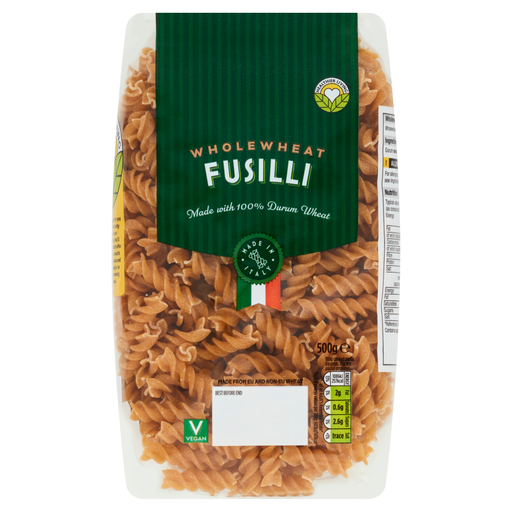
Consider this 500 g dried-pasta pack if you want wholewheat fusilli for cupboard meals. Compare its live unit price with other dried pasta, and check the label if wheat avoidance matters.
 No image available
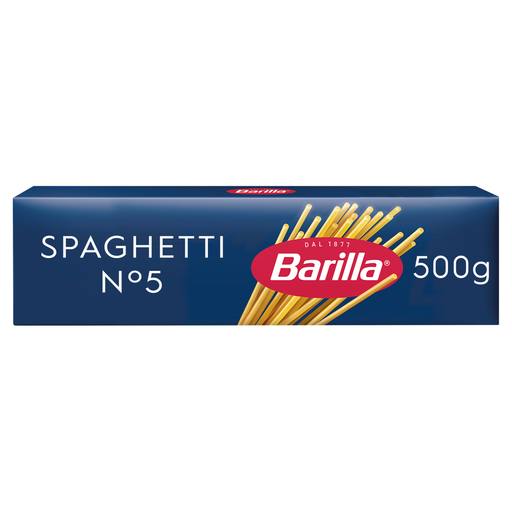
This 500 g dried-spaghetti pack is an option when you want a plain pasta base and prefer this named product. It still needs cooking and separate meal ingredients; check its live unit price against comparable dry packs.
 No image available
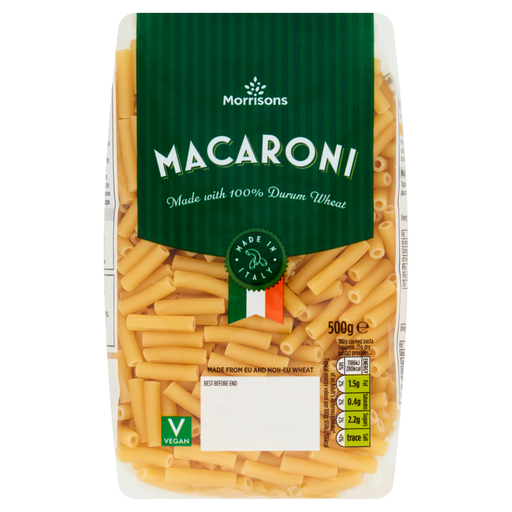
Choose this 500 g dried-macaroni pack if that shape suits the meals you plan to make. Compare its unit price with other dried shapes, and read the current label for ingredients and storage directions.
 No image available
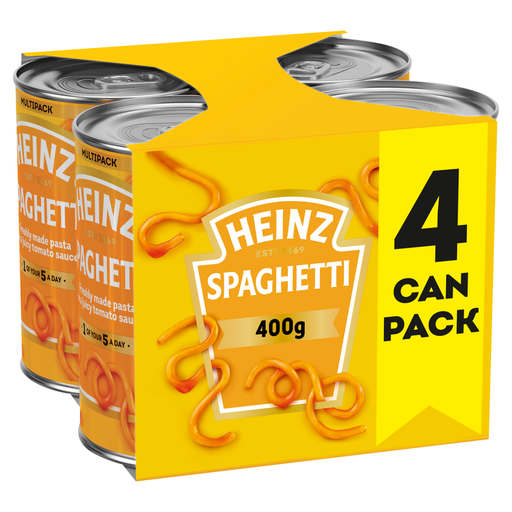
These four 400 g cans provide prepared spaghetti in tomato sauce for a convenience-led cupboard option. They are not plain dried pasta; compare them with similar prepared products and follow the can's heating and storage directions.
 No image available
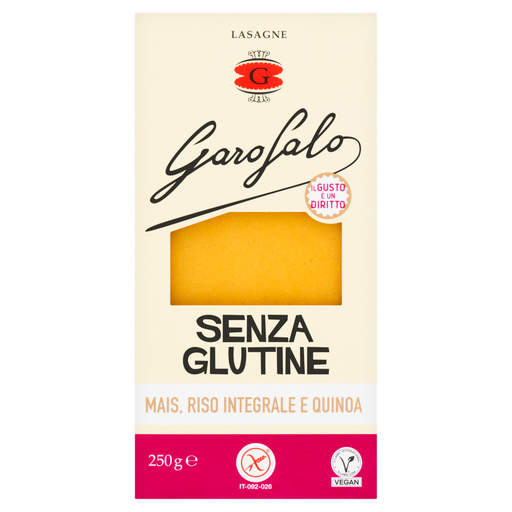
This 250 g lasagne pack is labelled gluten-free. Check the current ingredients and allergen statement against your household's requirements, along with the preparation directions before planning the meal.
Choose plain dried pasta when you want to decide what sauce and other ingredients to use; choose tinned pasta in sauce when fewer preparation steps are the priority. Compare unit prices within each format, since a prepared tin and a dry pack contain different products.
Use the directions on the pack you buy. ASDA's tagliatelle listing says 75 g dry pasta typically produces 180 g cooked pasta; the amount you prepare can vary with the rest of the meal.
Do not assume it is: ASDA declares wheat in its Just Essentials Pasta Shapes. Choose a product whose current ingredients and allergen statement meet the household's requirements; M&S lists separate Made Without pasta options.
No. Dolmio's instructions for its Original Bolognese sauce call for mince and dry pasta as well as the sauce, so account for those ingredients and their preparation when choosing a meal.
Yes. ASDA advises reading the product label because ingredients and allergy information can change. Check the current pack when an ingredient or allergen affects your choice.