
24/7 Customer Support

Free returns

Same-day & Next-day Delivery

Quality Guaranteed

Unlock Your Welcome Offers: FREE Delivery | Up to 80% OFF | Free 30-day JoyPlus trial
Download the APP
Choosing drinks and beverages online should be straightforward, but product pages can make comparison surprisingly difficult. Pack sizes, sugar levels, alcohol strength, ingredients and storage instructions are not always presented in the same format. A colourful label or familiar flavour does not necessarily tell you whether a drink suits your household, meal plans or budget.
This guide from the Joybuy Product Recommendation Officer focuses on the details that matter before you buy, from soft drinks and juice drinks to beer, pre-mixed alcoholic drinks and international flavours.
Zero sugar drinks can still contain sweeteners, caffeine, acids or other ingredients that may not suit everyone. For example, some sugar-free soft drinks contain aspartame and acesulfame K, while others use sucralose or steviol glycosides. Check the full ingredients panel rather than relying only on front-of-pack claims.
Some products also contain a source of phenylalanine. This is particularly relevant for people with phenylketonuria (PKU), so the label should always be checked before purchase.
An 18-pack of 330ml cans and a 10-pack of 440ml cans serve different needs. A smaller multipack may suit occasional use, limited fridge space or lunchboxes, while larger packs can be practical for entertaining and regular household consumption.
Calculate the total volume as well as the price. Also check whether the product is supplied as individual cans, bottles or a single larger container.
Alcoholic drinks are not interchangeable. A 4.0% ABV pre-mixed drink, a 5.0% beer and a 32.5% spirit drink require different serving expectations and responsible-use considerations. Always check the ABV, stated units where available and the legal age requirement for purchase in the UK.
Look at storage instructions too. Some drinks are suitable for cupboard storage before opening but should be refrigerated after opening and consumed within a specified period.
For shoppers comparing zero sugar drinks, low-calorie drinks and standard soft drinks, review values per 100ml and per serving. These figures are not always equivalent. A can may contain more than the reference serving used in a product description.
For example, 7UP Zero 8 X 330ml lists 0g sugar and 2 calories per 330ml can, while Diet Coke 18 x 330ml lists 0g sugar and 0.4 calories per 100ml. Tango Cherry Sugar Free also lists 0g sugar per can. These products may suit shoppers limiting sugar, but their sweeteners and flavour profiles differ.
Beer, pre-mixed alcoholic drinks and spirit drinks should be compared by ABV and serving volume. Suntory Jokki Draft is listed at 5.0% ABV in a 350ml can, while Carlsberg Pilsner is listed at 3.4% ABV in a 440ml can. Smirnoff Ice Original is a 4.0% ABV 70cl mixed drink.
Check allergens carefully. Beer commonly contains barley and therefore gluten. Smirnoff Ice lists sulphites, while some fruit-based soft drinks list no allergens but may contain sweeteners or warnings about shared manufacturing facilities. People with allergies should read the packaging supplied with the product, as formulations and labelling can change.
Choose multipack drinks for planned household use, parties or entertaining, but consider storage space and how quickly the drinks will be consumed. Single cans and small bottles are useful for trying unfamiliar Japanese drinks, Korean drinks or tropical drinks before committing to a larger quantity.
Ready-to-drink beverages generally require little preparation, but chilled serving can affect flavour and carbonation. Opened drinks may need refrigeration and prompt consumption. Products containing pulp, nata de coco or other textures may also need gentle shaking before serving.
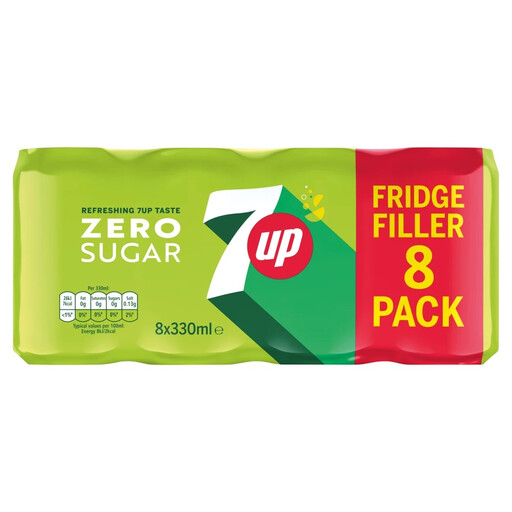
Why This Fits Their Persona: An eight-can format gives individuals or smaller households a manageable way to keep sparkling soft drinks available without buying a large case.
The listing states 0g sugar and 2 calories per 330ml can, making the serving information clear for comparison.
330ml cans; zero sugar; suitable for vegetarians and vegans; no caffeine listed.
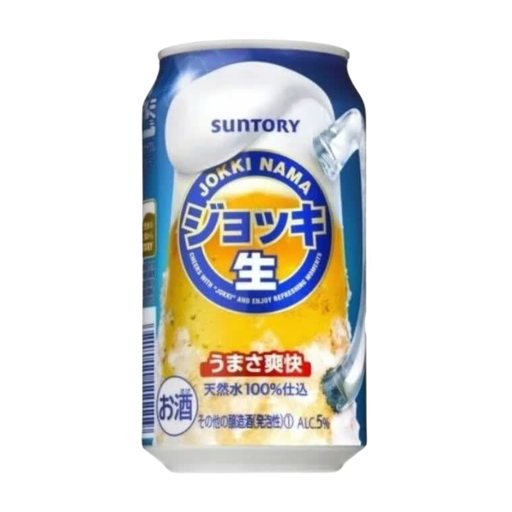
Why This Fits Their Persona: A compact Japanese beer can suits shoppers exploring international beer and those who prefer a single-serving format for meals or relaxed occasions.
The product information states the 5.0% ABV, 1.05 units per 350ml can and barley allergen, helping buyers assess suitability.
350ml single serving; Japanese origin; designed for refrigeration at 2°C to 8°C before drinking.
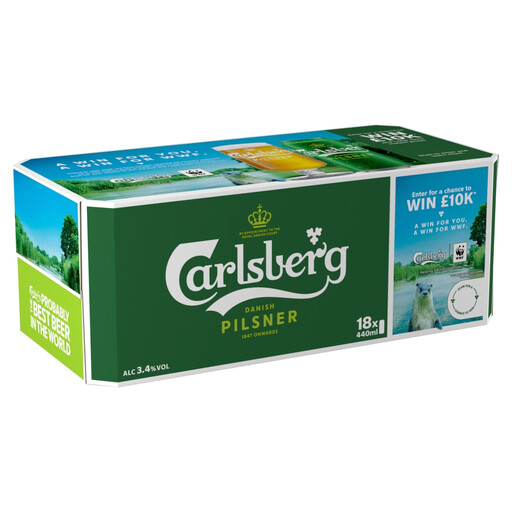
Why This Fits Their Persona: The 18-can format is practical for hosting, match-day gatherings and households that regularly serve beer with casual food.
The stated 3.4% ABV makes it easier to distinguish from stronger lager options before buying a bulk pack.
18 x 440ml cans; 3.4% ABV; suitable for serving chilled alongside burgers, pizza and barbecue food.
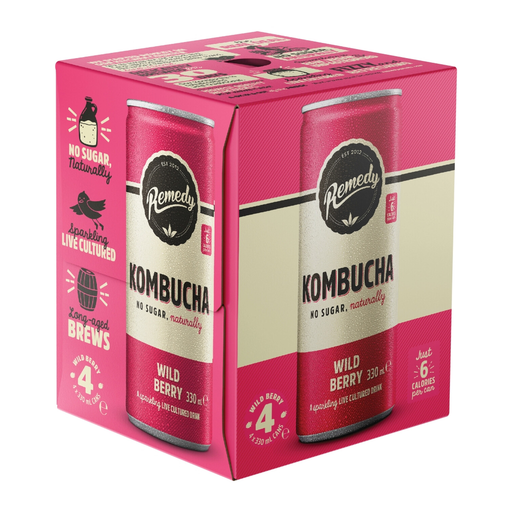
Why This Fits Their Persona: This four-pack offers a non-alcoholic alternative for shoppers seeking fruit-led flavour and a chilled drink for meals or afternoon refreshment.
The nutrition panel lists 0g sugar and 2 kcal per 100ml, while the ingredients identify the sweeteners and flavourings used.
Four 330ml cans; wild berry flavour; no allergens listed; ready to drink chilled.
We have compiled a complete, real-time list of products that fully satisfy these strict selection criteria and UK safety regulations.
For mixed preferences, combine alcoholic drinks such as beer or pre-mixed alcoholic drinks with zero sugar drinks, fruit drinks and sparkling soft drinks. Multipacks are convenient for serving several guests, while smaller international drinks allow people to try unfamiliar flavours without committing to a large quantity.
No. A low-calorie drink may still contain sugar, fruit juice or sweeteners. Check both the energy and carbohydrate values per 100ml and per serving. A drink labelled zero sugar should still be checked for sweeteners and allergen information.
Follow the product label. Carbonated drinks are generally best consumed promptly after opening to retain fizz. Drinks containing juice, pulp or nata de coco may require refrigeration and consumption within 24 hours or a few days. Alcoholic drinks should also be stored away from direct sunlight and consumed responsibly.