
24/7 Customer Support

Free returns

Same-day & Next-day Delivery

Quality Guaranteed

Unlock Your Welcome Offers: FREE Delivery | Up to 80% OFF | Free 30-day JoyPlus trial
Download the APP
Buying drinks multipacks online can be convenient, but the cheapest-looking case is not always the most suitable. A large box may take up valuable cupboard space, contain more caffeine or sugar than expected, or leave you with flavours that do not suit your household.
Whether you are comparing energy drinks multipacks, beer, cider, alcohol-free beer or soft drinks multipacks, a few checks can help you avoid waste and choose a pack that matches how you actually drink.
A 24-pack may appear better value than an 8-pack, but only if you will use the drinks before their best-before dates and have enough storage space. Compare:
For occasional use, a smaller multipack may reduce waste. Larger cases can make more sense for parties, workplaces or households that regularly buy canned drinks.
Front-of-pack wording can draw attention to flavour or energy-related benefits while the key nutritional details are elsewhere. Check the nutrition panel per can rather than per 100ml.
For example, a 250ml can of original Red Bull contains 115 kcal and 28g of sugar, while the sugar-free version listed in the product details contains 8 kcal and 0g of sugar per can. Both contain 32mg of caffeine per 100ml, equivalent to 80mg in a 250ml can. The difference is therefore not simply about the brand or pack size.
High-caffeine drinks should be consumed moderately. The supplied product information states that these drinks are not recommended for children or pregnant or breastfeeding women.
Alcohol-free beer does not always mean precisely 0.0% ABV. For example, Heineken 0.0 is listed at 0.05% ABV, whereas Asahi Non-Alcohol Beer is listed at 0.0% ABV. If the alcohol content matters for driving, personal preference or dietary reasons, check the exact ABV on the product page and packaging.
Alcohol multipacks are for over-18s only. Drink responsibly, do not drink and drive, and consider the number of UK units in each can when comparing beer and cider.
Can size affects both value and suitability. A 250ml energy drink can is designed as an individual serving, while 440ml lager cans provide a larger serving for meals or social occasions. A 330ml can sits between these formats and is common among soft drinks, alcohol-free beer and fruit ciders.
For a quick comparison, calculate:
Total volume = number of cans × can size
A 10-pack of 440ml cans contains 4.4 litres, while a 10-pack of 330ml cans contains 3.3 litres. The larger-looking pack is not automatically the larger purchase unless the can size is considered.
For beer, cider and shandy, check:
Examples in the available range include Kronenbourg 1664 at 4.6% ABV, Heineken at 5% ABV, Old Mout Pineapple & Raspberry at 4.0% ABV, and Foster’s Proper Shandy at 3% ABV. Comparing ABV is more useful than relying on descriptions such as “light”, “easy drinking” or “refreshing”.
Look for allergens such as barley, wheat, gluten and sulphites. Those checking dietary suitability may also want to confirm whether a drink is vegan, vegetarian, sugar-free, gluten-free or caffeine-free.
For instance, the supplied information identifies barley as an allergen in several beer products. Karma Lemony is listed as vegan and gluten-free, while Fanta Orange is caffeine-free. Always read the latest label because formulations and packaging information can change.
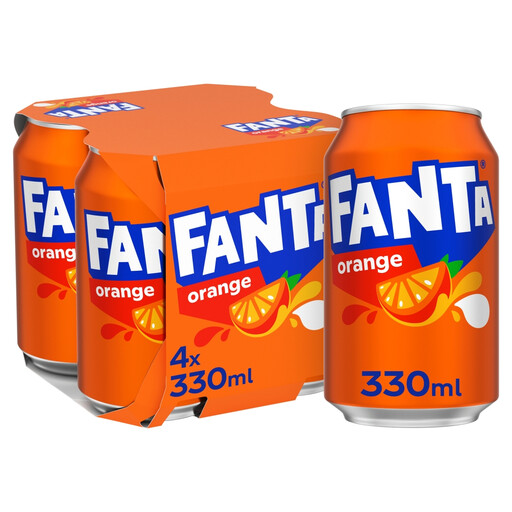
Why This Fits Their Persona: A four-can format offers a manageable starting point for individual shoppers, couples or households that want soft drinks without committing to a large case.
The 330ml can size and four-can quantity make the total purchase easy to understand, reducing the risk of overbuying.
Caffeine-free; contains orange and citrus juices from concentrate; 1.32 litres in total.
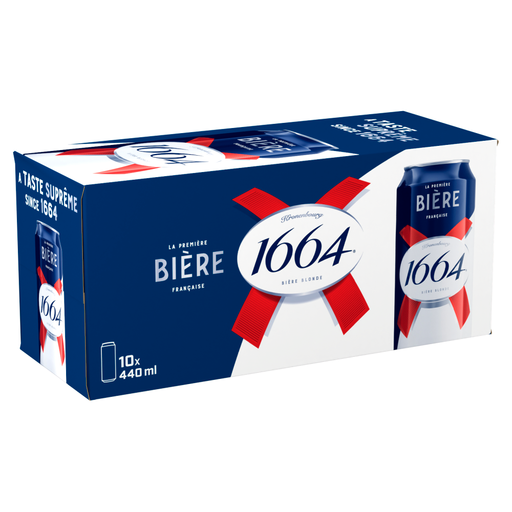
Why This Fits Their Persona: A larger can format suits shoppers planning meals, barbecues or relaxed social occasions and looking for a specified lager style.
The listing clearly states the 4.6% ABV, 440ml can size and barley and wheat allergens, helping buyers check suitability before ordering.
Ten 440ml cans; 4.6% ABV; product information includes UK unit guidance and storage instructions.
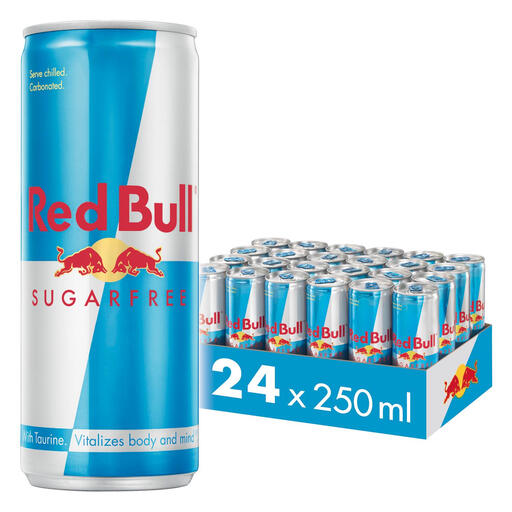
Why This Fits Their Persona: The bulk format is practical for offices, shared households or regular users who have confirmed that the caffeine content suits them.
The listing states zero sugar and 8 kcal per 250ml can, while also displaying the high-caffeine warning for informed purchasing.
24 individual 250ml cans; 0g sugar per can; listed as suitable for vegetarians and vegans.

Why This Fits Their Persona: A compact four-can format works for hosts providing an alcohol-free option at meals, gatherings or weekday occasions.
Its product details specify 0.0% vol, rather than leaving shoppers to interpret a general alcohol-free description.
Four 330ml cans; 0.0% ABV listed; suitable for vegetarians and vegans.
We have compiled a complete, real-time list of products that fully satisfy these strict selection criteria and UK safety regulations.
They can offer a lower cost per can, but this depends on pack pricing, promotions and delivery charges. Compare the final basket price and total volume rather than the headline discount. A smaller pack may be more economical if it prevents unused drinks being stored for too long.
Keep unopened cans in a cool, dry place away from direct sunlight. Follow the product’s storage instructions and chill before serving where recommended. Do not freeze pressurised cans. Once opened, consume promptly and do not store an opened carbonated drink for extended periods.
Confirm the product’s ABV, can size and UK units, and ensure the purchaser and recipient meet the legal age requirements. Alcohol products should be consumed responsibly. For alcohol-free beer, check whether the listing states 0.0% or a small residual ABV such as 0.05%.